Maro Itoje's On-Field Clash Highlights England's Rugby Identity Crisis
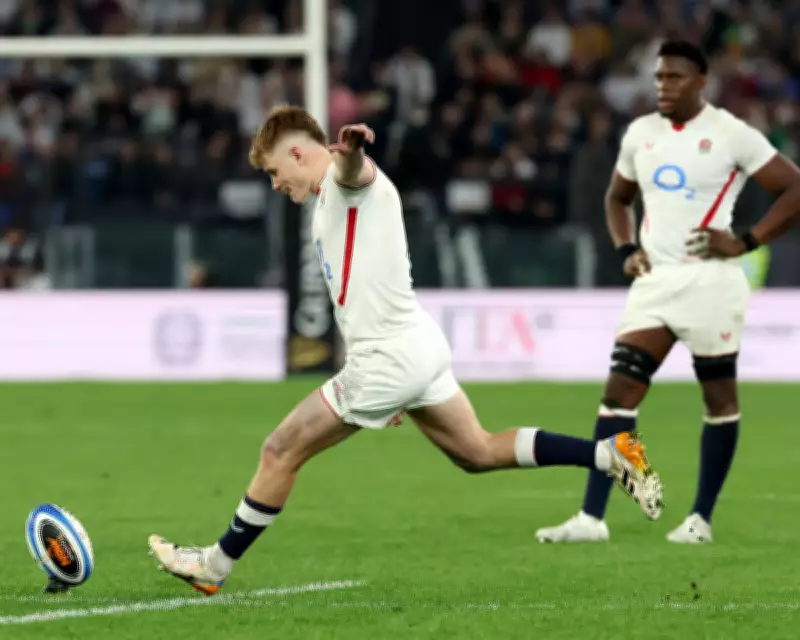
Maro Itoje, England's captain under Steve Borthwick, is typically known for his calm and measured demeanor under pressure. However, a rare on-field spat with fly-half Fin Smith during England's 23-18 defeat to Italy in the Six Nations has exposed startling tensions within the squad. This incident, where Itoje screamed at Smith to "take the three!" after a scrum penalty, points to a much broader identity crisis plaguing the team.
Leadership and Team Cohesion Under Scrutiny
Steve Borthwick specifically promoted Itoje to the captaincy, citing his ability to think clearly and remain composed in high-pressure situations. Yet, the outburst in Rome suggests that even the most level-headed leaders can crack under the intense strain of Test rugby. While Itoje later congratulated Smith for successfully kicking the penalty, the moment revealed underlying contradictions in England's approach.
Are they a team committed to playing expansive, courageous rugby, or are they overly reliant on conservative, percentage-based tactics? The lack of unified decision-making, with players like Jamie George and Ellis Genge offering conflicting suggestions, highlights a squad struggling to sing from the same hymn sheet.

Contrast with Scotland's Vibrant Performance
In stark contrast, Scotland's remarkable 50-40 victory over France showcased a team fully empowered to take risks and play with creativity. Led by captain Sione Tuipulotu, a centre, and guided by coach Gregor Townsend, a former creative back, Scotland trusted their half-backs and midfield to seize the initiative. This backs up the importance of the captain-coach dynamic in defining a team's identity.
Historically, successful England sides, such as the 2003 World Cup-winning team, benefited from the leadership of Martin Johnson combined with Clive Woodward's innovative coaching. Similarly, France's compelling approach under Fabien Galthié and Shaun Edwards, both former half-backs, emphasizes the value of quick-witted, strategic leadership from the backline.
The Modern Game's Demand for Calculated Risk
As rugby speeds up, an eye for calculated risk is becoming increasingly crucial, even for traditionally forward-dominated teams like South Africa. This shift poses challenges for Borthwick's more methodical approach and Itoje's leadership style. The captain has endured an exceptionally intense year, including captaining the British & Irish Lions, getting married, and personal loss, which may be affecting his on-field composure.
Itoje's second yellow card of the tournament and the spat with Smith suggest he could benefit from a mental and physical break. However, with limited backline leadership candidates beyond George Ford or Owen Farrell, England faces a dilemma in finding a successor who can inspire confidence and direction.
Broader Implications for England's Future
Martin Johnson's assertion that a good captain cannot succeed without a good team holds truth, but enlightened leadership and empathetic coaching are equally vital. The Six Nations has underscored the importance of encouraging players to express themselves rather than conforming to rigid gameplans. England, in this regard, are playing catch-up, needing to address both tactical coherence and leadership dynamics to regain their competitive edge.
Looking ahead, fixtures for the 2027 Six Nations raise concerns for traveling fans, with inconvenient kick-off times and logistical challenges threatening the tournament's unique atmosphere. Meanwhile, the final round of this year's competition promises excitement, with outcomes hinging on key matches like France vs. England and Ireland vs. Scotland.
Ultimately, the Itoje-Smith incident serves as a microcosm of England's broader struggles. Without resolving these issues of identity and leadership, the team risks further setbacks in an evolving rugby landscape.