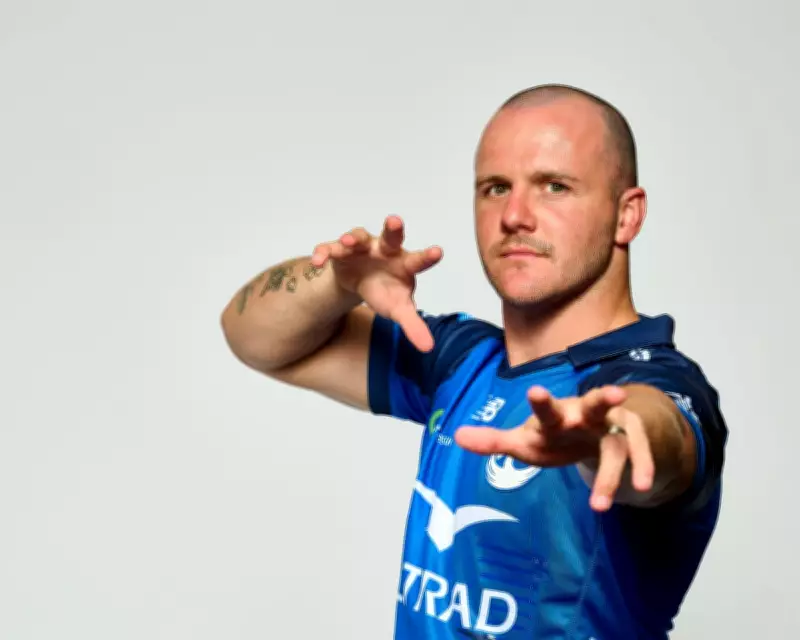
Dylan Pietsch: Finding Balance Through Indigenous Art and Rugby Excellence
Dylan Pietsch, the Western Force and Wallabies winger, has discovered a profound connection between his sporting career and cultural heritage. The 27-year-old Wiradjuri-Burray man reveals how traditional painting provides essential grounding alongside the intense demands of professional rugby.
The Transformative Power of Traditional Art
In 2020, Pietsch undertook an extraordinary artistic project that would change his perspective forever. Tasked with painting the boots of his Australian rugby sevens teammates ahead of the Tokyo Olympic Games, he spent three days applying thousands of intricate dots representing his ancestors' songlines. "Traditional art compels you to be present for each and every dot," Pietsch explains. "After those days of intense work, I realised I'd left rugby's intensity behind and allowed my creativity and spirituality to flow freely."
The experience proved transformative, teaching Pietsch that painting could maintain his mental equilibrium amidst professional sport's pressures. "Painting really keeps my head level," he acknowledges, describing how the meticulous process of creating traditional patterns connects him to country and culture in ways that complement his athletic pursuits.

Overcoming Mental Health Challenges
Pietsch's journey hasn't been without significant challenges. The year before his Olympic boot-painting project, he experienced severe mental health struggles that culminated in a 2019 suicide attempt. "People think professional athletes are hard-nosed and mentally strong but the truth is we're as vulnerable as anyone," he reveals candidly.
Today, Pietsch openly shares his experiences with schools, charities, and Indigenous communities nationwide. "I still deal with depression all the time but I've developed my tools – painting, meditation, journaling – to keep me grounded," he says. "As a man you feel pressure to hold everything in, but releasing those burdens through honest conversations with family and friends has been life-changing."
Pietsch describes his approach to mental resilience as being "like a rubber band in life – often stretched but flexible enough to bounce back." He takes particular pride in knowing his openness might help others: "If my speaking up can help one kid make positive changes or protect themselves, I'm proud to have shared my story."
Rugby Achievements and Cultural Expression
2024 marked a significant milestone when Pietsch became the fifteenth Indigenous man to wear the prestigious Wallaby gold jersey. His breakthrough moment came during Australia's victory over the British & Irish Lions in Sydney, where he scored a sensational first try followed by a celebration that resonated deeply with fans.
Wearing a special Indigenous jersey featuring his own artwork, Pietsch celebrated with a roar and launched an arrow – the Wiradjuri symbol representing survival, resistance, and connection. "I love how I can energise others through rugby," he says. "That fire has always been in me. On the field I can let my emotions fly in ways that inspire both myself and those watching."
The winger followed this performance with crucial contributions against world champions South Africa in Johannesburg, scoring another spectacular try that helped ignite a remarkable comeback victory. His aggressive, authentic playing style quickly established him as a new hero in Australian rugby.
Recovery and Personal Growth
Pietsch's physical commitment to the game resulted in a broken jaw following a collision with Springboks captain Siya Kolisi, requiring surgery with four metal plates and eighteen screws. "Three days in hospital and eight weeks wired up barely able to talk and eat," he recalls of the challenging recovery period.
Rather than viewing this setback negatively, Pietsch used the time productively. He married his partner of six years, Ella Pietsch (who also plays for Western Force), and expanded his artistic practice to larger canvases. One of his first commissions created an elaborate work connecting the waterways of Sydney and Perth for teammates Carlo Tizzano and his wife Emma.

Maintaining Perspective Ahead of Major Challenges
Looking toward the fourteen-Test 2026 season and home World Cup in 2027, Pietsch maintains a balanced perspective. "Art and rugby are a way to give back and help people move forward," he reflects. "There have definitely been times when I cared too much about rugby and let it control my life. Since connecting to culture through painting, I've found proper balance."
Pietsch faces stiff competition for his Wallabies position, with talented wingers including Max Jorgensen, Mark Nawaquanitawase, Harry Potter, and Corey Toole all vying for selection. Yet his unique approach gives him distinctive advantages. "Win or lose, rugby can't change who I am anymore," he states. "I'm a freer spirit now. Art has taught me that rugby is a way of being rather than just a way of doing."
As Australian rugby builds toward the 2027 World Cup, Dylan Pietsch represents more than just athletic talent. His journey demonstrates how cultural connection and artistic expression can enhance sporting excellence while maintaining crucial perspective. Through thousands of painted dots and countless tackles, he continues writing his story – one that honours both his ancestors and his sporting future with equal commitment.