Mercedes Magic and Ferrari's Rapid Starts: What We Learned from F1 Testing
George Russell has been purring in a balanced car during pre-season, while Aston Martin continues to hunt for power. The big four teams—Mercedes, Red Bull, Ferrari, and McLaren—have all downplayed their strengths in a reverse standoff, but Mercedes undeniably looks formidable after three tests.
Mercedes on the March
Mercedes' car and engine demonstrated exceptional reliability, completing the most laps of any team. Crucially, the vehicle appears balanced and easy to handle, with a planted feel through corners, a stark contrast to recent struggles. It performs exactly as simulation data predicted, leaving Russell satisfied. The pecking order among the top four remains unclear until qualifying in Melbourne, but if Mercedes have been sandbagging—having yet to run on low fuel and soft tires—their true pace could be overwhelming.
Ferrari Fire from the Blocks
With sweeping regulation changes, nothing is certain. Red Bull has shown efficient energy recovery, allowing longer electrical power deployment for straight-line speed advantages. Ferrari, however, excels at blisteringly fast starts. A smaller turbocharger spins up quickly, and during FIA trials of a new launch procedure—a five-second hold for back-of-grid cars—Ferrari's performance was revelatory. When Lewis Hamilton applied power, it propelled him like a rocket from the fifth row to lead into turn one. This was no fluke, as Esteban Ocon in the Ferrari-powered Haas made a similar rapid getaway. Ferrari-engined cars enjoy predictable launches, minimizing turbo-lag and delivering feisty punches on corner exits.
Rule Row Still Running
Concerns about how new regulations will affect racing, particularly energy management's prominent role, have persisted since last year's simulations. During testing, drivers' fears escalated, with Max Verstappen openly criticizing the new cars. F1 chief executive Stefano Domenicali has urged calm before the first race, but significant disquiet remains. Drivers will adapt to energy management requirements, such as lifting and coasting, but the acid test in Melbourne will be whether it impacts racing. If changes have minimal effect on pace, the controversy may fade quickly; otherwise, the FIA and F1 might intervene to prevent a rocky start.
Aston Martin Under the Cos
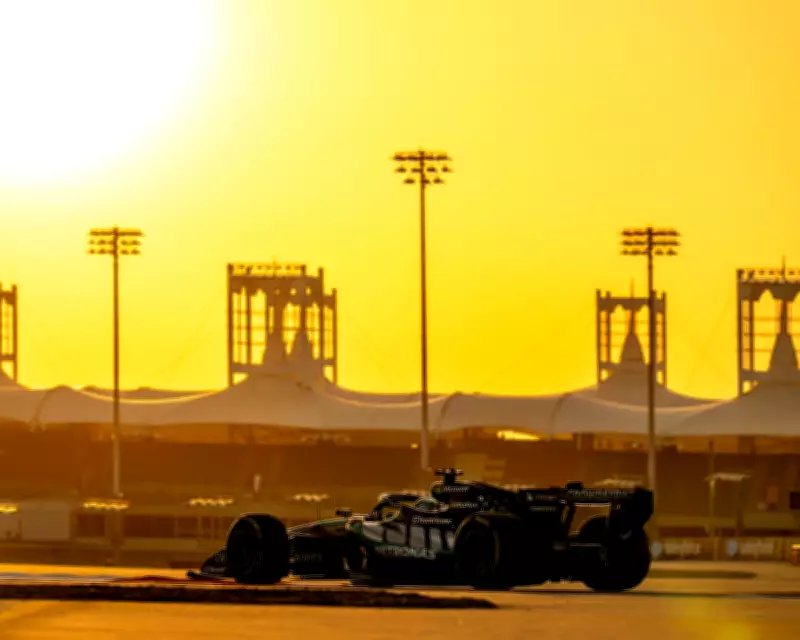
Adrian Newey faces a daunting task if he is to work his magic for Aston Martin. The team, once optimistic for 2026 with Newey's arrival and new facilities, endured a nightmare in testing, completing only 128 laps—the fewest by far. Basic gearbox and transmission issues have stymied running, and engine manufacturer Honda burned through parts, forcing limited run time on the final day. Lance Stroll lamented the lack of power, while Fernando Alonso noted understatedly that many fixes are needed, echoing past struggles with Honda engines.
Cadillac Make It to the Party
Built from scratch in just over 12 months, F1's newest team, Cadillac, acquitted themselves well in testing. Simply having the car ready for all three tests was an achievement, especially compared to Williams' absence in Barcelona. Cadillac logged impressive mileage, with no illusions about being at the rear of the grid but committed for the long haul. Valtteri Bottas and Sergio Pérez praised the car's balance, and while challenges remain, Cadillac has started on a positive note, aiming first to finish races and then score points.
Tight Midfield Fight
Behind the big four, the midfield battle is equally tight. Haas has made the greatest step up under new regulations, potentially leading the pack with Ferrari engine benefits. Alpine has shown its most positive start in years, while Williams struggles after missing the Barcelona test but remains optimistic. Racing Bulls impressed with their Red Bull engine debut, likely edging out Williams, and Audi might do the same in their early season appearances.