
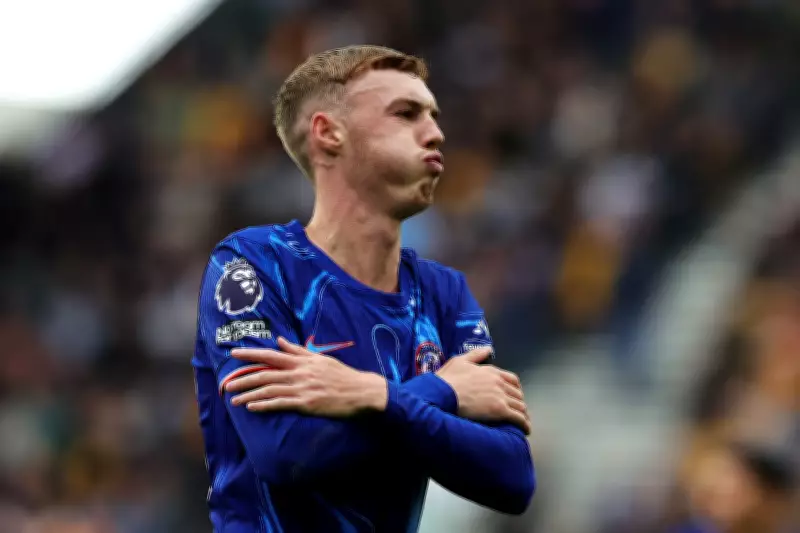
Cole Palmer Secures Trademark for Iconic 'Cold Palmer' Celebration
In the high-stakes world of professional football, where iconic moments translate into significant commercial value, Chelsea and England star Cole Palmer has taken a strategic step to protect his personal brand. The forward has successfully trademarked his now-famous "Cold Palmer" goal celebration through intellectual property and sports lawyers, a move that underscores the growing intersection of athletics and business.
The Business of Football Celebrations
While intellectual property might traditionally be associated with corporations and patents, top-flight football has evolved into a major economic force. According to Department of Culture, Media and Sport data, professional and community sport contributes approximately £100 billion annually to the UK economy. Within this landscape, players' celebrations have become valuable brand assets worthy of legal protection.
The "Cold Palmer" celebration first gained prominence over 800 days ago during Chelsea's 3-2 Premier League victory against Luton Town. Though Palmer acknowledged drawing inspiration from former Manchester City academy teammate Morgan Rogers and NBA star Trae Young's similar shiver gesture, it is Palmer who has become synonymous with the celebration in the UK football context.
Building a Trademark Portfolio
Alex Newman, an intellectual property and sports lawyer at Mills and Reeve who worked on Palmer's trademark, explained the rationale behind the move. "It's about control over what we call personal brand assets," Newman stated. "That control generates risk for unauthorized users of these assets."
Carol Couse, another lawyer from the firm involved in the process, detailed how Palmer's trademark portfolio developed gradually. "With Cole, it evolved over time," Couse noted. "We initially advised on playing contracts, then as his prominence increased, more commercial opportunities emerged. We reached a point where protecting those brand assets became appropriate, leading to trademark registrations built over a period."
Brand consultant Dan French pointed to Palmer's enhanced profile following his goal in England's 2024 Euros final appearance and performances at last year's Club World Cup. According to French, YouGov rankings placed Palmer sixth among contemporary players behind global stars like Lionel Messi and Cristiano Ronaldo, creating "cultural momentum" for trademark protection.
The Trademark Process and Challenges
Securing trademark protection for a football celebration involves meeting specific legal criteria. Newman clarified that "anybody can apply for a registered trademark for a name, likeness, or goal celebration, but there's a scrutiny process with intellectual property offices to ensure the assets meet relevant criteria."
The key requirement is that the brand asset must be distinctive or capable of becoming distinctive of the trademark owner, with public recognition as a "badge of origin or control." This explains how Palmer could trademark a celebration he didn't originally create—his consistent association with the gesture has made it distinctive to his personal brand.
Football trademark efforts don't always succeed smoothly. Liverpool FC failed in a 2019 attempt to trademark the word "Liverpool," and reports last year indicated Palmer faced potential challenges from French vineyard Chateau Palmer over the "Cold Palmer" name. Palmer praised his legal team for "thinking outside the box" and recommending "forward-thinking" approaches to protect his image and brand.
Growing Trend in Sports Intellectual Property
Couse observed increasing interest among football players in trademark registration and portfolio building compared to previous years. This trend extends beyond the pitch, as demonstrated recently when darts player Luke Littler registered his face as a trademark to combat AI deepfakes.
Palmer's successful trademarking of a celebration he popularized rather than invented serves as a case study in proactive brand protection within modern sports. As football continues to generate billions in economic activity, players are learning that securing legal rights to their distinctive gestures and personas represents both business savvy and necessary risk management in an era where personal branding carries substantial commercial value.