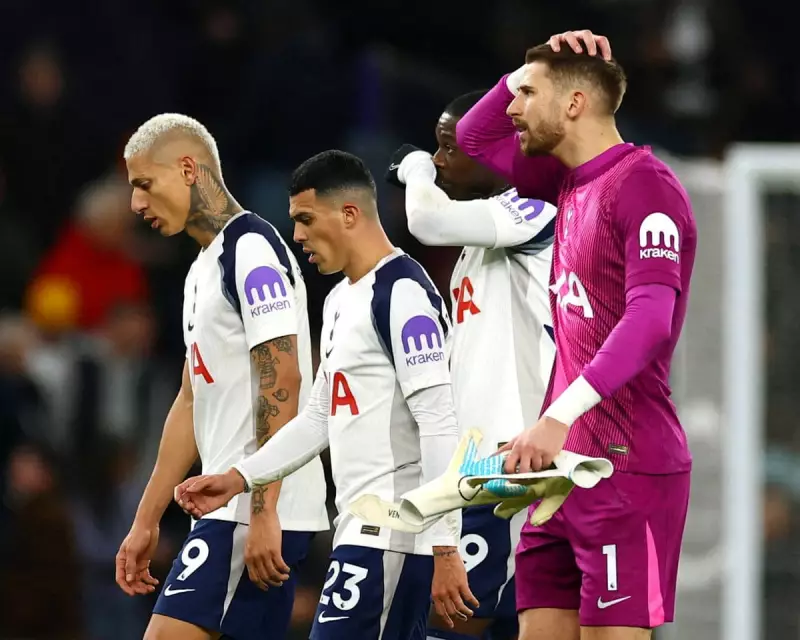
A calamitous error from goalkeeper Guglielmo Vicario just six minutes into the match set the tone for a dismal Tottenham Hotspur defeat against Fulham on Saturday night. The 2-0 loss, played out in front of a subdued and fractious home crowd, has sparked a fierce debate about a creeping toxicity within the club's support.
The Incident That Ignited the Fury
With the game still in its infancy, Guglielmo Vicario fumbled a routine situation, presenting Fulham with a simple second goal. The immediate consequence was a chorus of boos directed at the Italian shot-stopper from a section of the Tottenham Hotspur Stadium crowd. While emanating from a minority, the acoustics of the modern arena meant the disapproval was unmistakable, heard clearly by players, staff, and fellow supporters alike.
The reaction has been widely condemned, including by manager Thomas Frank, who labelled those who booed as "not true Tottenham fans." Players have reportedly expressed their dismay in the dressing room and via social media. For many, the jeering represented a fundamental breach of the supporter's code, especially towards a player who has produced several match-saving performances this season.
A Deeper Malaise at the Tottenham Hotspur Stadium
However, the incident is viewed by long-term observers not as an isolated outburst but as a symptom of a deeper frustration. The atmosphere before kick-off was described as flat, with noticeable empty seats despite the £1bn stadium's reputation. The context is a dismal home record that has seen Spurs win just four times in their last 22 Premier League games at home in 2025.
This growing discontent isn't new. Season-ticket holders recall the "We want our Tottenham back" chants and the vocal fury previously directed at chairman Daniel Levy. The visceral anger witnessed when Hossam Ghaly threw his shirt in 2007, or the boos that heralded the end for Nuno Espírito Santo, are part of a recurring pattern. The difference now is the cycle of underperformance in a world-class facility, where ticket prices are among the steepest in football.
"It is cold, it is raining and you’ve deserted your friends or family to embark on a three-hour round trip that’s been ruined inside six minutes," notes one fan, explaining the raw emotion, even while disagreeing with the target of the boos.
A Vicious Cycle of Performance and Atmosphere
The danger for Tottenham is the emergence of a vicious cycle. The team's struggles on the pitch poison the atmosphere, and the resulting toxicity and anxiety then arguably hinder the players' performances, leading to further poor results. The question becomes whether the atmosphere is holding the team back or if the team's form is eroding the support.
Beyond Vicario's mistake, the performance offered little solace. Fulham could have added a third goal soon after and looked consistently dangerous, undermining any narrative of newfound defensive solidity under Thomas Frank. The familiar frailties from the Ange Postecoglou era seemed to resurface.
As the final whistle blew, the stadium DJ played the Editors' song 'Munich,' its lyrics—"People are fragile things, you should know by now. Be careful what you put them through"—serving as a poignant coda. The message cuts both ways: while fans must support their players, the club must also understand the immense emotional and financial investment demanded of supporters. For Tottenham, healing this rift is as crucial as fixing their form on the pitch.