
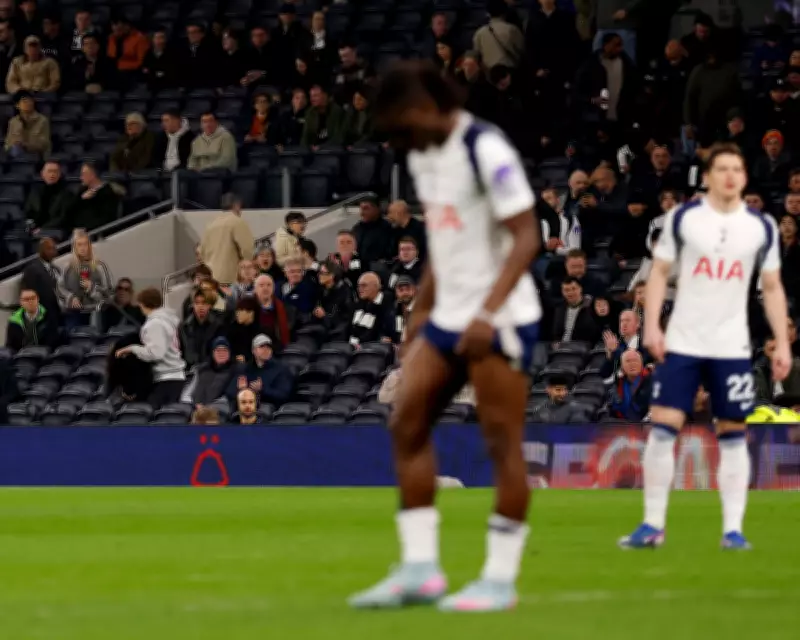
Tottenham's Dismal Season Nears Relegation Zone as Stadium Empties
A half-empty Tottenham Hotspur Stadium witnessed another dismal chapter in the club's dreadful season, with Crystal Palace's 3-1 victory plunging Spurs closer to Premier League relegation. The atmosphere curdled as boos echoed between players and fans, symbolizing a club in profound crisis.
Managerial Chaos and Hollow Leadership
Interim manager Igor Tudor cut a haunted figure in his post-match press conference, embodying what many see as the most inexplicable managerial hire in recent football memory. Tudor's debut at the ground revealed a surprisingly lean figure with piercing eyes and renaissance-style whiskers, but his presence failed to inspire a turnaround.
The problem extends far beyond the interim manager. Tottenham suffers from ad hoc interim ownership and a short-term sense of identity that has transformed the club into what feels like a ghost town. Tudor's appointment demonstrates the fundamental stupidity of many football hires, claiming logic where none exists.
Match Collapse and Fan Disillusionment
The game began promisingly with Dominic Solanke's 18th-minute goal, but collapsed spectacularly within minutes. Micky van de Ven's red card and penalty concession in the 26th minute marked the turning point, with Ismaïla Sarr converting from the spot.
By halftime, Crystal Palace led 2-1 after Adam Wharton's exquisite through ball found Jørgen Strand Larsen. Sarr completed the scoring with Palace's third, leaving Tottenham's season in tatters. The crowd's frustration manifested in shouted accusations toward the directors' box, with one fan declaring "You killed the club" with genuine conviction.
Statistical Reality and Relegation Threat
Tottenham's current run stands at seven losses and four draws without a single Premier League victory this calendar year. With just 29 points and sitting only one position above the relegation zone, the statistical reality is alarming. Next week's fixture against Liverpool offers little respite for a squad missing its best players.
Tudor's assessment of his players as deficient in defense, attack, and midfield—and further describing them as weak, unskilled, and not very bright—highlights the depth of the problem. Yet this criticism misses the fundamental issue: Tottenham's crisis stems from interim ownership, interim identity, and interim leadership throughout the club structure.
Broader Implications and Future Uncertainty
The Tudor hire reveals football's systemic weaknesses, where appointments follow superficial patterns rather than substantive logic. As Tudor himself acknowledged when questioned about his previous roles at Lazio and Udinese, "Different team, different league, different position, different players"—factors presumably overlooked during his interview process.
By the match's conclusion, even the booing felt empty, suggesting that relegation might offer the only remaining opportunity for genuine feeling within this vast sporting institution. The pain of potential demotion at least represents a story, something grand and wild that remains fundamentally football, unlike the hollow commercial project Tottenham has become.