Not many towns can claim a mummified cat and the severed head of an Archbishop amongst their visitor attractions. Even fewer were the birthplace of one of Britain's most celebrated painters, while being encircled by historic commonland where cattle roam freely. Sudbury in Suffolk is a stunning town boasting a wealth of industrial and cultural heritage. It is also having something of a moment. The town was ranked second-hottest in a rundown of UK destinations compiled by Expedia, based on search interest. Yet like numerous charming settlements across East Anglia, it is hampered by its geographical position.
A Journey to Sudbury
"We're on the way to nowhere here. No one comes to Sudbury by accident," a volunteer at Gainsborough's House Museum remarks as I take a look at the gallery's excellent collection. Sudbury's challenge lies in being very much at the terminus. The Gainsborough Line terminus to be precise. You'll need to catch the 50-minute train from London Liverpool Street to Marks Tey before switching onto a three-carriage local service, which emerges from verdant cuttings to glide high above the bucolic splendour of the Stour Valley on a 32-arch viaduct (the second largest brick-constructed edifice in England) before reaching its final stop in Sudbury.
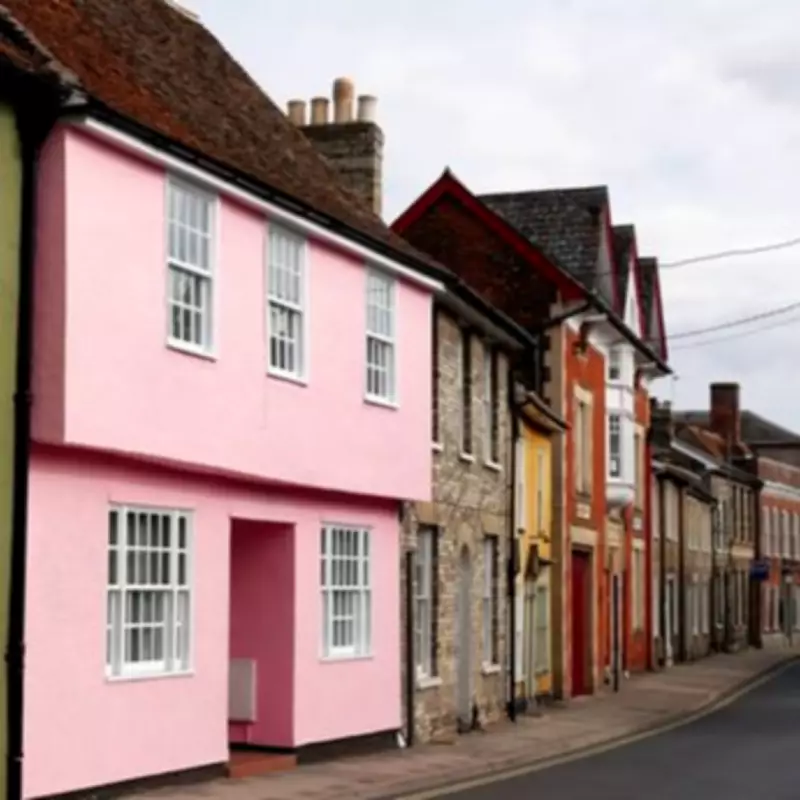
The town also finds itself vying with neighbouring settlements in the unofficial 'great beauties of Suffolk' contest. Just seven miles away lies Lavenham, Britain's finest preserved medieval village, where wonky timber-framed houses painted pink with pigs blood limewash border the narrow lanes. Along the coastline, Aldeburgh's pastel-hued buildings overlook an expansive East Anglian pebble beach. The most direct rival sits 15 miles downstream on the River Stour at Flatford, where John Constable created The Hay Wain. The white mill that served as inspiration for the masterpiece still stands today much as it appeared in the early 19th century, mirroring the timeless quality of Constable Country as it blends into Gainsborough territory while you journey back westward along the Stour towards Sudbury.
Arriving in Sudbury
Arriving on foot, the town could belong to any era across the past millennium, owing to the meadow's protected commonland status which has preserved this Area of Outstanding Natural Beauty as a sanctuary for moorhen, field mice, collared dove and, as my niece repeatedly highlighted, "ducks!" On a bright afternoon, a table upon The Mill's terrace offers the finest vantage point to observe the wildlife, the grazing cattle and the young children tottering beside the water's edge.
Visiting Gainsborough's House is particularly rewarding when the sun is out, thanks to how natural light illuminates its generous galleries, which showcase not only the artist's own creations but also contemporary works by artists like Royal Academician Katherine Jones responding to Thomas's legacy. Following your visit, enjoying a cup of tea under the trees in the museum's garden makes for a delightful interlude.
Dining and Boating
Additional dining spots worth exploring in the town include the vegan establishment Cradle, brunch specialists Painters at the Angel and, as virtually everyone I encountered enthusiastically suggested, The Henny Swan. This 17th-century pub lies an hour's stroll from town along the Stour and compensates those who make the trek with a riverside garden and a highly regarded Ploughman's. "Believe me, my young friend, there is nothing–absolutely nothing–half so much worth doing as simply messing about in boats," Ratty famously declared to Moley in Kenneth Grahame's Wind in the Willows, and his observation holds true. Fortunately, both the Henny and Stour Valley Adventures provide affordable rowing boats, paddle boards and kayak hire, enabling visitors to journey between Sudbury's waterside pubs.
Quirky Attractions
After you've finished messing about on boats, it'll be time to attend to the earnest matter of Sudbury's second and third most popular tourist attractions – the mummified cat and the head. The unfortunate feline remains entombed within a glass cabinet at the Mill, where she was discovered during renovation works in 1971. The cabinet had likely been positioned there for three centuries, following an ancient Suffolk custom whereby live cats were interred within building foundations to protect against witches, warlocks and blazes. The head is perhaps less melancholy but certainly more compelling viewing. Simon of Sudbury was another local boy who achieved great success, the bright young clergyman ascending from Rector of Wickhambrook to become Archbishop of Canterbury during the 14th century. Regrettably, he assumed his position and the office of Lord Chancellor precisely when the Government opted to settle the King's enormous war debts through a poll tax. In stormed the rebellious peasants from the Home Counties, and off came Simon's head. Before the spike upon which he was impaled later supported the vanquished People's Champion Wat Tyler, Simon's head was secretly transported back to his birthplace and concealed within St Gregory's Church. Nowadays, should you politely request it from the caretaker, they may retrieve it from storage and permit you a glimpse.