
Tottenham's Hollow Core Exposed After Igor Tudor's Departure
The departure of Igor Tudor from Tottenham Hotspur has left the club in a state of profound confusion and deep trouble, with relegation fears intensifying as institutional flaws are laid bare. Tudor's 44-day spell as interim manager ended in failure, highlighting the staggering missteps of the club's executive leadership.
A Manager Transformed by Tottenham's Chaos
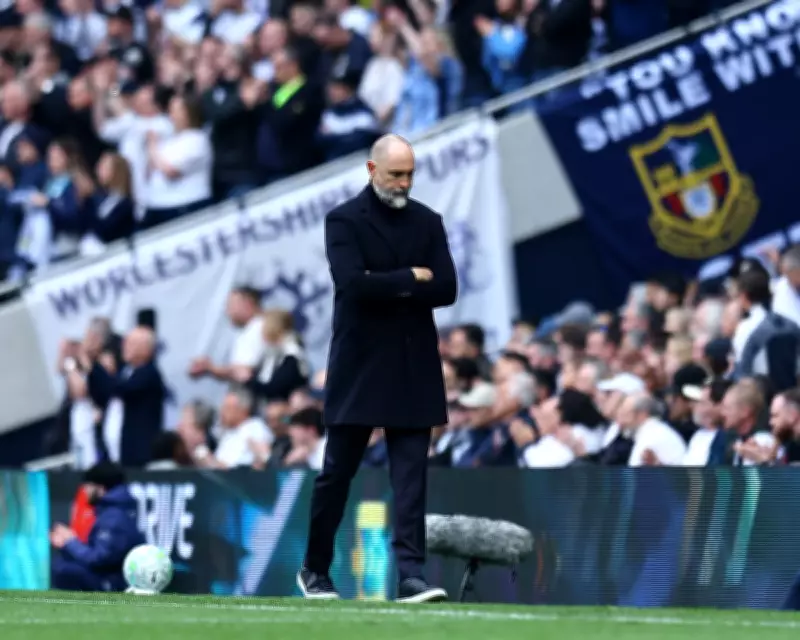
Igor Tudor arrived at Spurs with the appearance of a renaissance duke attending a corporate golf day, complete with a pointy beard, glowing eyes, and sleek leisurewear. He departed wearing what can only be described as an indissoluble rictus of sorrow, a man who had stared into the abyss of Tottenham's dysfunction and found it staring back. His tenure yielded no league wins, a Champions League exit, and humiliating defeats, including a critical loss to a relegation rival at home.
Tim Sherwood, speaking on Sky Sports, encapsulated the surreal nature of Spurs' predicament. He suggested telling players like Xavi Simons they were the new Luka Modric to boost morale, a tactic that underscores the club's desperate search for magic bean solutions. Sherwood noted that the Premier League had smacked Tudor in the mouth, a verdict that resonates with the harsh realities of English football.
The Stupidity of the Interim Hire
The decision to hire Tudor remains startling in its sheer stupidity. Reports indicate that executives Vinai Venkatesham and Johan Lange were convinced by dubious data or smooth-talking agents that Tudor, with limited experience in English football and no connection to Tottenham's nuances, was the ideal firefighter. This hire was a structural mistake, reflecting a deeper institutional confusion about the club's identity.
Tottenham's executive team now seeks to move on quickly, with Roberto De Zerbi linked as the next manager. While De Zerbi is a competent coach, his potential appointment feels like another panic-driven turn, a younger bearded angry man replacing an older one. The logic is flawed, as hiring a systems fanatic with seven games left in a relegation battle makes little sense.
Institutional Flaws and Relegation Fears
Spurs are embroiled in a four-way relegation shootout with West Ham, Nottingham Forest, and Leeds. While three wins in seven games might suffice, the club's hollow nature casts doubt on its survival prospects. The media often accuse Tottenham of wanting to go down, and indeed, the board's self-immolating behavior, disconnected players, and lack of clear purpose suggest a death-wish mentality.
The relegation battle is not a random event but a revelation of the deep, dark cheese room of Tottenham's soul. Last season's fourth-from-bottom finish was a warning sign, ignored by an executive focused on building a multiplatform leisure brand rather than winning football matches. Players appear to have no genuine connection to the club, treating elite football as a mere industry to be staffed.
Daniel Levy's Role and the Future
There is confusion over chairman Daniel Levy's responsibility in this crisis. Levy was instrumental in building Tottenham's world-class infrastructure but has been criticized for mid-range player investments while rivals strengthened. His administrative skills likely prevented a mediocre season from becoming the catastrophic dance with relegation it now is.
With seven games to avoid one of the all-time relegations, Tottenham faces a judgment on its priorities and the entropy of community clubs. Fans still crave the passion and glory at football's heart, but it remains unclear if the club's leadership shares this value. The Tudor era may be over, but the underlying issues persist, leaving Spurs hollow, confused, and in deep trouble.