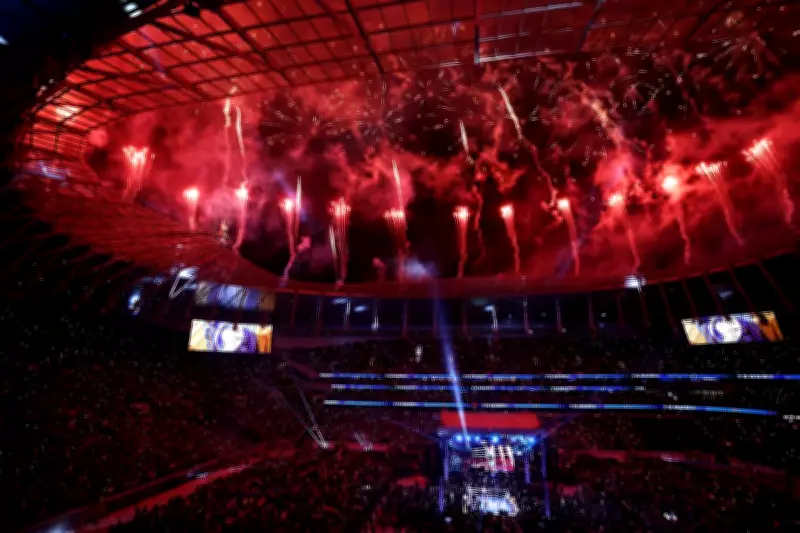
Tottenham Hotspur Stadium Celebrates Seven Years of Hospitality Innovation
The Tottenham Hotspur Stadium recently marked its seventh anniversary, solidifying its reputation as a trendsetter in the world of sports hospitality. This 62,850-seat arena in north London has become a benchmark for premium fan experiences, attracting not only football enthusiasts but also NFL events and major touring artists to the capital.
Redefining Premium Experiences in Modern Stadiums
During a recent visit to the stadium for Tyson Fury's victory over Arslanbek Makhmudov, City AM observed firsthand how Tottenham's hospitality offerings represent a significant upgrade compared to similar products across the Premier League. The private suite experience on the second floor demonstrated a level of sophistication that has evolved considerably since the stadium's opening.
"When we designed Tottenham Hotspur Stadium, the idea was to reimagine hospitality completely," explains Liam Doyle, Interiors Lead for Tottenham Hotspur Stadium at Jump Studios, the interior design arm of the arena's architects, Populous. "We introduced a much broader range of options that enhance the fan experience at every level and give fans the chance to upgrade in smaller, more accessible steps, rather than forcing a big jump in price like the old model did."
Design Philosophy and Operational Excellence
The stadium's design incorporates both formal seating and informal sofas that open up the space while providing views of the stadium bowl beyond the glass. Eighteen outdoor seats equipped with heaters combat chilly weather, ensuring comfort regardless of conditions. Despite being seven years old, the offering maintains a fresh, contemporary feel with ongoing upgrades that keep it at the forefront of stadium design.
Doyle emphasizes the strategic importance of these premium experiences: "Hospitality and premium experiences are a hugely important part of matchday revenue for clubs. But from a fan perspective, what's really changed is that it no longer feels like 'hospitality' in the way it did five or 10 years ago. Back then, a hospitality box was literally just a box and it was almost entirely aimed at corporate guests."
Influencing the Broader Sports Hospitality Sector
The Tottenham Hotspur Stadium's approach is now being adopted by other clubs across the Premier League. Doyle points to Fulham's Craven Cottage as an example, where Populous designed the new Riverside Stand with a strong mix of bars and restaurants that could easily compete with high street establishments.
"The spaces themselves are on a completely different level – from GA+ [general admission plus] to the top tier," Doyle notes. "That approach is now being picked up by clubs elsewhere. It's all about creating more opportunities – more opportunities for fan experiences and more meaningful opportunities for brand engagement, which ultimately leads to increased revenue for clubs."
Balancing Atmosphere with Premium Comfort
One of the greatest challenges in stadium hospitality design is creating spaces that feel inclusive of the event without isolating guests from the atmosphere and noise that define the stadium experience. Tottenham Hotspur Stadium has managed to achieve this delicate balance exceptionally well, allowing fans to enjoy premium comforts while still feeling connected to the energy of the game.
The stadium's single-tier stand design, built from the ground up with premium offerings in mind, has proven successful in maintaining this connection. As the venue enters its eighth year, it continues to set trends that other sports facilities are following, demonstrating that innovative hospitality design can enhance rather than detract from the authentic stadium experience.