The cost of supporting a Premier League team is reaching a breaking point, with fans facing soaring prices, reduced concessions, and a degraded match-day experience. Despite record revenues and packed stadiums, the sport's financial success is increasingly leaving its most loyal supporters behind.
Rising Costs and Squeezed Loyalty
The Football Supporters' Association (FSA) has launched the #StopExploitingLoyalty campaign to combat what it describes as a coordinated attack on match-going fans. Premier League clubs are raising season ticket prices, with 19 out of 20 teams increasing costs this summer. For example, a seat at Tottenham's stadium can cost up to £2,367, while Liverpool's ticket prices have risen by over 800% since 1990.
Concessions for children and senior citizens are being scrapped or drastically reduced, pricing out the next generation and long-term fans in favour of affluent, one-off visitors. This trend extends beyond the Premier League; at Leyton Orient, a season ticket for one adult and one U18 rose from £408 in 2023/24 to £551 in 2026/27, a one-third increase in just a few seasons.
The Global Product vs. Local Experience
While the Premier League's global popularity soars, the local match-day experience is being treated as an inconvenient relic. Jacob Steinberg, The Guardian's football reporter, notes, "It feels like fans are being price-gouged left, right, and centre. Clubs have to be really careful. Part of the Premier League's attraction is the atmosphere of the English crowd, and you risk losing that by chasing the one-match-a-season transactional fan."
The 2026 World Cup is expected to exacerbate these issues, with tickets for the final reportedly costing around $10,000. Host cities are also setting exorbitant fees for public transportation to stadiums, contrasting sharply with events like Euro 2016, where matchday tickets included free public transport.
Degraded Match-Day Experience
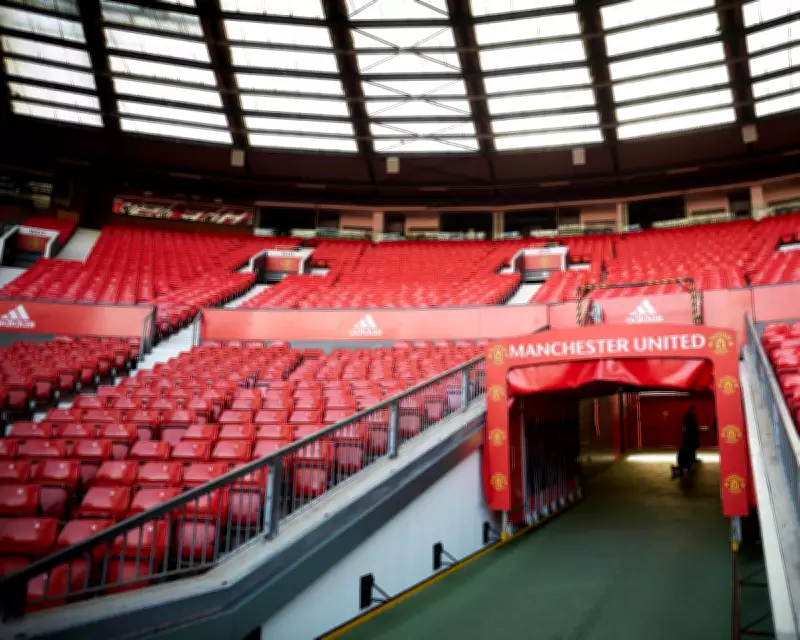
The weekly match-day experience for supporters is being eroded. Practices such as paying for a place on season ticket waiting lists and becoming a "member" for a fee have become widespread. The days of simply turning up and paying cash at the turnstiles are long gone. Some clubs appear keen to reduce the number of "legacy supporters"—local people who have attended for years but spend little on refreshments or merchandise. At Manchester United's Old Trafford, 1,100 supporters are being moved from their longstanding seats near the dugout to make way for higher-priced hospitality packages.
Matches are frequently rescheduled for television, often with little regard for whether away fans can get trains home afterwards.
Armchair Fans Also Feel the Pinch
The cost of watching football from home has also risen sharply. The Champions League final, for the first time in its history, will not be free-to-air; fans need a TNT Sports subscription (between £20 and £27 per month). Armchair fans now require multiple subscriptions—Sky Sports, TNT Sports, and Amazon Prime—to watch the Premier League, paying almost 60% more than five years ago.
Competition law prevents football authorities from selling rights to a single broadcaster, driving up costs for consumers. Steinberg notes, "If I look back 30 years, people's first live football experience was often turning on Channel 4 for Football Italia. Now you have to pay, and the competition is so drawn out that people only connect with it during the latter stages."
Inconsistent Enforcement
The EFL recently expelled Southampton from the Championship playoff final for alleged spying on opponents, a swift and decisive action. However, the Premier League's biggest cases, such as Manchester City's charges and Chelsea's financial issues, drag on. Fans of Everton and Nottingham Forest have seen points deductions for financial breaches, while the "big six" seem to operate under different rules.
There are even proposals to allow leagues to stage competitive fixtures abroad, potentially locking out domestic fans from home matches.
Opportunities in Non-League and Women's Football
As the top flight pursues global entertainment status, community-driven, affordable match days may be found further down the pyramid. Cash-on-the-door matches in leagues like the Isthmian League or Northern Premier League are still available every Saturday. The Women's Super League (WSL) also offers an opportunity, with matches widely available on free-to-air streaming platforms and a strong connection between fans and players.
The FA is working with Uefa to ensure that 40% of tickets for Euro 2028 are in two affordable categories: under £30 and under £60. In Germany, clubs must have a fan-owned majority shareholder. For comparison, the cheapest season tickets at Juventus cost about £280, at Atlético Madrid £242, and at Bayern Munich about £150. The cheapest Premier League season ticket was £345, for West Ham.
The Risk to Football's Soul
Football's "stickiness" means fans rarely switch allegiance due to price increases. However, as the "concessionary ladder" is pulled up and the stadium experience hollowed out, the sport risks becoming a sterile show performed in front of half-empty stands or silent tourists, having finally priced out the people who provided the noise.