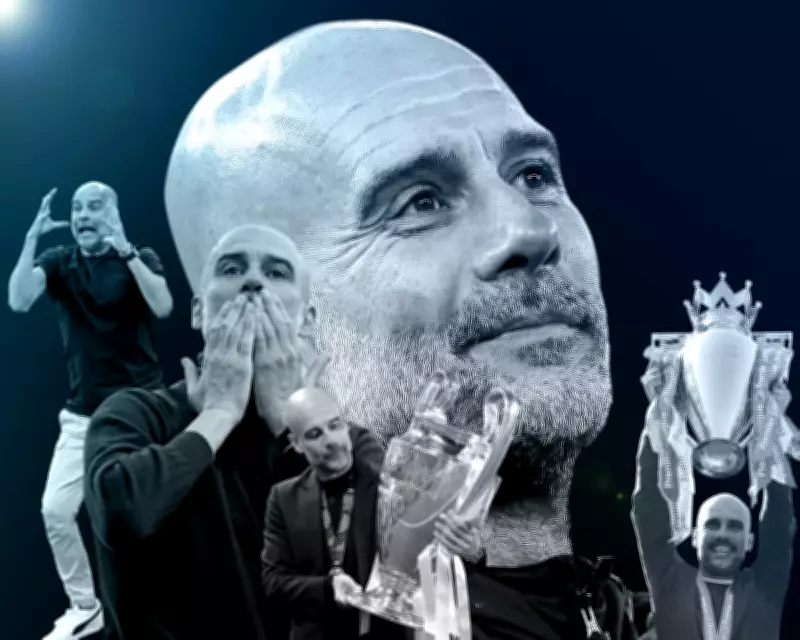
Guardiola's Departure and the Unseen Shadow
Pep Guardiola's departure from Manchester City marks the end of a dominant era in Premier League football. While eulogies focus on his tactical genius and 17 major trophies, his legacy is deeply intertwined with politics, propaganda, and the dark heart of modern football. Guardiola's success cannot be separated from the nation-state project he fronted for a decade, backed by the United Arab Emirates.
The Cultural Impact and Its Oversight
The cultural influence of Guardiola's methods has been widely praised, but the narrative often overlooks the normalization of state ownership and financial allegations. City faces over 100 charges of financial cheating, with 40 directly related to Guardiola's tenure. Despite denials, the correlation between spending and success is undeniable. In his first season, City spent £135 million on key players; in the second, £180 million to win the league by 19 points. Such margins matter in a sport where rules bind most clubs.
State Ownership and Soft Power
City's ownership by Sheikh Mansour, deputy prime minister of the UAE, transforms the club into a propaganda tool. The UAE's human rights record, including allegations of complicity in Yemen, contrasts with the sporting glory. Guardiola's brilliance gave the project life, but it also reflects the emptiness of billionaire culture, where success is a straight line from money to victory.
Guardiola's legacy includes both his managerial genius and the normalization of state power in football. As City moves forward with Enzo Maresca, the project continues, leaving questions about sport, talent, and opportunity unanswered.