
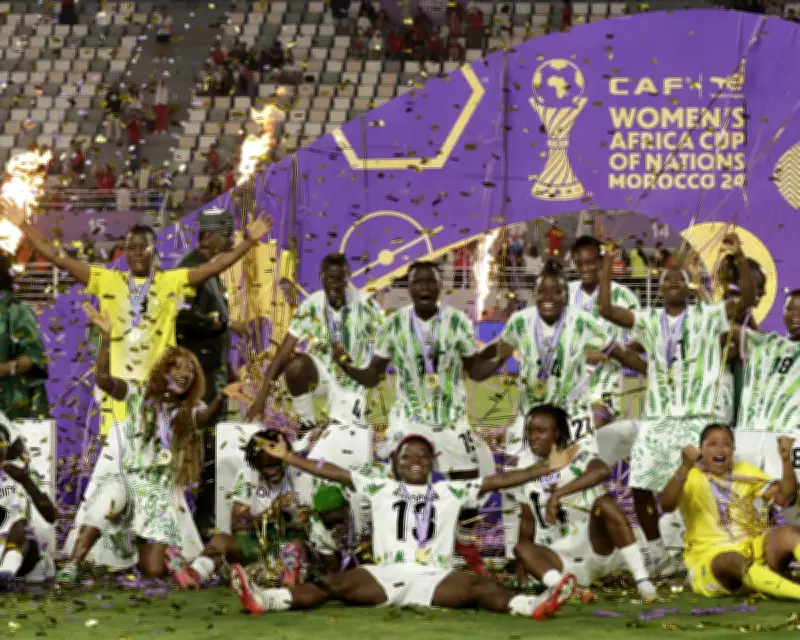
Outrage Erupts Over Women's Africa Cup of Nations Postponement
African women's football faces yet another major disruption as the Confederation of African Football (CAF) has postponed the Women's Africa Cup of Nations (WAFCON) for the second consecutive time, sparking widespread outrage among players, coaches, and stakeholders across the continent.
Broken Promises and Disrupted Preparations
On February 13, CAF President Patrice Motsepe publicly promised that the 2026 Women's Africa Cup of Nations would proceed as scheduled from March 17 to April 4 in Morocco. This assurance came after the 2024 tournament had already been delayed by an unprecedented 19 months until July 2025. However, on March 5, just twelve days before the tournament's planned start, CAF announced another postponement, rescheduling the competition to July 25 through August 16, 2026.
The decision has left national teams in disarray, with defending champions Nigeria, Cameroon, Ghana, and other participating nations having invested significant resources in preparation. Many teams were actively engaged in international friendlies across Africa and Asia when the announcement came, effectively wasting months of strategic planning and player conditioning.
Voices of Frustration and Disrespect
South Africa's coach Desiree Ellis captured the prevailing sentiment, questioning whether such treatment would ever occur in men's football. "I'm just going to raise a question with this WAFCON: would this be happening with the men's game?" Ellis told the South African Broadcasting Corporation as rumors of postponement circulated.
An executive committee member of the Nigeria Football Federation, speaking anonymously, expressed profound disappointment: "It is a huge shame that the women's game is treated with so much levity on the continent. How can CAF repeatedly treat the WAFCON so shabbily, with so much disrespect towards the players?"
Nigerian international Rinsola Babajide, who plays for Roma, summarized the situation bluntly on social media: "It's actually embarrassing at this point."
Compounding Challenges for Teams and Media
The postponement created particularly difficult circumstances for Ghana's Black Queens, who were competing in the Pink Ladies Cup in the United Arab Emirates when conflict erupted in the Middle East. Swedish coach Kim Björkgren described the experience as "frightening," noting that players struggled with stress and sleep disturbances amid audible bombings at night.
Journalists covering the tournament also faced significant financial losses. Guardian contributor Firdose Moonda had arranged complex travel from Kolkata, India to Morocco, with a planned return to South Africa. She now faces doubled flight prices for her return journey and believes CAF should cover these unexpected costs.
South Africa's Sports Minister Gayton McKenzie echoed this sentiment, suggesting CAF should reimburse journalists' expenses given the media industry's financial challenges. McKenzie further speculated that political tensions might be influencing the hosting situation, referencing Morocco's loss to Senegal in the men's Africa Cup of Nations final in January.
Governance Questions and Future Concerns
The Moroccan football federation, designated as host association for WAFCON, declined to comment on why it couldn't fulfill its commitment or whether the rescheduled tournament would indeed take place in Morocco. This silence has fueled speculation about the tournament's future location and stability.
A mid-level CAF staff member in Cairo, speaking anonymously, called for greater accountability from the organization's leadership: "We expect members of the executive committee to hold the top people in administration to account. Bestine Kazadi Ditabala of DR Congo, CAF's fourth vice-president and head of the women's football committee, should address this postponement publicly."
The new tournament dates present additional challenges, with WAFCON 2026 now scheduled to begin just six days after the men's World Cup final on July 19 and overlapping with the Commonwealth Games in Glasgow from July 23 to August 2. This timing threatens to diminish the global visibility and media coverage that women's football deserves.
A Pattern of Disruption
This latest postponement continues a troubling pattern of uncertainty for African women's football, which has faced continuous disruptions since 2020. The recurring instability raises serious questions about CAF's commitment to developing women's football on the continent and ensuring proper governance.
Players, coaches, and stakeholders are demanding greater respect, transparency, and accountability from football authorities. As preparations must now restart from scratch, the postponement represents not just a scheduling change but a significant setback for the growth and professionalization of women's football across Africa.