
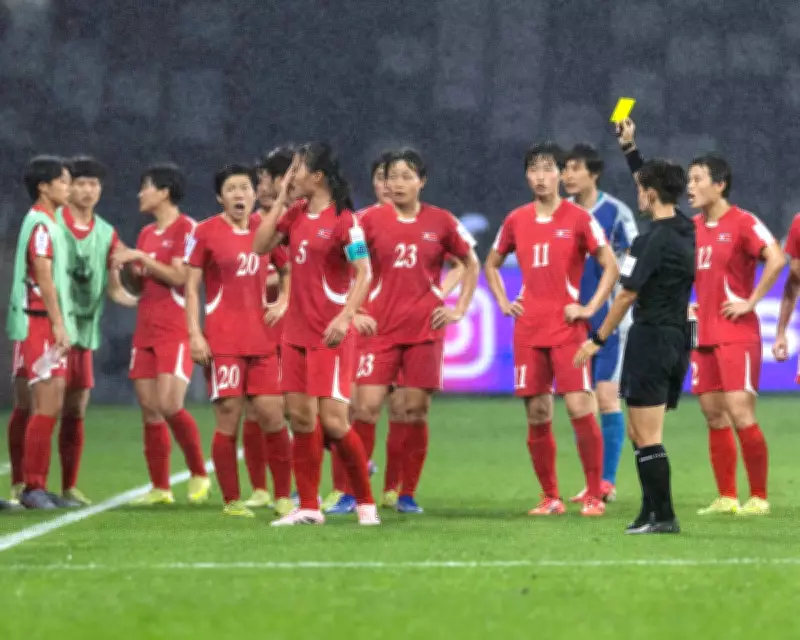
North Korea Lodges Formal Protest Over Matildas' Asian Cup Triumph
In a surprising development, North Korea has officially protested Australia's victory in the Women's Asian Cup, targeting the Matildas with allegations of unfair play and political meddling. The protest, filed through diplomatic channels, claims that the tournament was compromised by external influences, casting a shadow over Australia's hard-fought win.
Allegations of Unfair Play and Political Interference
North Korean officials assert that the Matildas benefited from biased refereeing and questionable decisions throughout the competition. They argue that these factors undermined the integrity of the matches, particularly in key games leading to Australia's championship. The protest document, obtained by international media, details specific incidents where North Korea believes rules were inconsistently applied, disadvantaging their team and other competitors.
Furthermore, the North Korean statement suggests that political pressures from Australia and its allies influenced tournament organizers, creating an uneven playing field. This accusation extends beyond the pitch, implying that geopolitical dynamics played a role in the sporting outcomes. The Matildas, however, have consistently maintained that their success was earned through skill and determination, with no external assistance.
Reactions from Australia and the Football Community
Australian football authorities have swiftly dismissed the protest as baseless and politically motivated. A spokesperson for Football Australia emphasized that the Matildas' performance was exemplary and adhered strictly to the rules of the game. "We stand by our team's achievements and reject any insinuations of impropriety," the spokesperson stated, highlighting the rigorous oversight by Asian Football Confederation officials.
International observers have noted that such protests are rare in women's football, adding significance to North Korea's move. Analysts speculate that the protest may be linked to broader diplomatic tensions, rather than purely sporting concerns. The Women's Asian Cup, a premier event in the sport, has historically been free of major controversies, making this dispute particularly notable.
Implications for Future Tournaments and Diplomatic Relations
This incident raises questions about the intersection of sports and politics, potentially affecting future international competitions. If upheld, North Korea's protest could lead to sanctions or revisions in tournament protocols, though experts consider this unlikely given the lack of evidence. The Asian Football Confederation is expected to review the complaint, but initial indications suggest it will be rejected due to insufficient proof.
Diplomatically, the protest may strain relations between Australia and North Korea, though both nations have limited direct ties. Australia's government has not commented extensively, deferring to sporting bodies, but insiders suggest that the matter will be monitored closely. For the Matildas, the focus remains on celebrating their Asian Cup victory, which has inspired a new generation of football fans across Australia.
In summary, North Korea's protest adds an unexpected twist to the Women's Asian Cup narrative, challenging the Matildas' legacy. While the allegations are serious, they appear to lack substantive support, leaving Australia's triumph intact for now. The football world watches as this dispute unfolds, hoping it does not detract from the sport's growing popularity and inclusivity.