
NFL Free Agency 2026: A Comprehensive Analysis of Winners and Losers
The dawn of the NFL's new league year has unleashed a flurry of activity, with teams making bold moves to shape their rosters for the 2026 season. From blockbuster trades to strategic signings, the landscape of the league is shifting dramatically. This analysis delves into the standout winners and glaring losers of free agency, highlighting key transactions that could define the upcoming campaign.
Winners: Teams Making Strategic Gains
Los Angeles Rams: The Rams have demonstrated why they remain perennial contenders by aggressively addressing their weaknesses. With quarterback Matthew Stafford's retirement on the horizon, likely by 2028, the franchise is pushing its chips into the middle. They acquired All-Pro cornerback Trent McDuffie from the Chiefs in exchange for a first-round pick this year, a third-round pick in 2027, and additional late-round selections, then secured him with a lucrative four-year, $124 million extension. Not stopping there, they added another Chiefs corner, Jaylen Watson, on a three-year, $51 million deal.
These moves completely revamp a secondary that, while performing above expectations last season, faltered in the playoffs. By re-signing safety Kam Curl, the Rams have plugged all gaps, showcasing the hallmark of a top-tier franchise: self-awareness and proactive improvement. With the No. 13 draft pick and a history of trading up, Los Angeles is now positioned to target a high-impact playmaker early in the draft, solidifying their status as a force to be reckoned with.
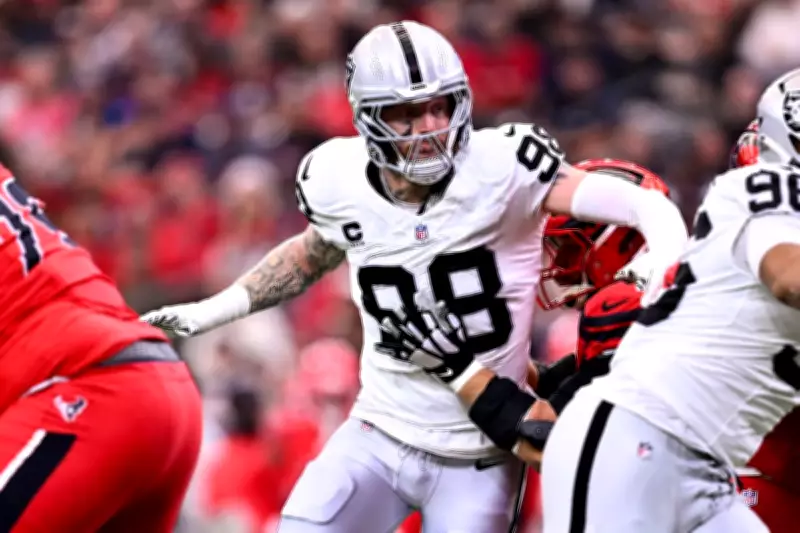
Baltimore Ravens: In a move that reverberated across the league, the Ravens secured edge-rusher Maxx Crosby in a trade costing two first-round picks. While Crosby's production has dipped slightly with age, he remains a dominant pass-rushing threat capable of single-handedly disrupting offenses. Baltimore, long in search of a game-changing edge presence, prioritized postseason impact over steady regular-season output. With a championship window wide open, acquiring Crosby represents a significant upgrade that could propel them deep into the playoffs, making it a calculated and worthwhile investment.
Mike Evans and the San Francisco 49ers: After 12 seasons with the Buccaneers, wide receiver Mike Evans departed for a three-year deal with the 49ers, seeking a contender with clearer direction. A future Hall of Famer, Evans brings a veteran presence and a big-bodied, perimeter threat to San Francisco's stacked offense, led by coach Kyle Shanahan. His addition provides quarterback Brock Purdy with a reliable 50-50 target, enhancing the team's aerial attack and offering Evans a chance to cap his prime with a legacy franchise.
A Mixed Bag: Teams with Questionable Moves
Las Vegas Raiders: With a barren roster and $120 million to spend, the Raiders were inevitable early spenders, but context is crucial. Nearing the salary cap floor, they had to distribute cash after trading Crosby and cutting Geno Smith. Their signings included center Tyler Linderbaum on a three-year, $81 million deal—making him the highest-paid center by nearly 50%—along with linebackers Quay Walker and Nakobe Dean, cornerback Eric Stokes, and others. While these moves improve weak spots, the Linderbaum contract is an egregious overpay for a player whose reputation exceeds his on-field performance, particularly in pass protection.
Tennessee Titans: The Titans have a clear plan, albeit one that raises eyebrows. By reuniting head coach Robert Saleh and offensive coordinator Brian Daboll with former players from their previous teams, they've assembled a group that went a combined 40-76-1 under their guidance. Signings like receiver Wan'Dale Robinson and cornerback Alontae Taylor aim to bolster both sides of the ball, but overpaying for familiar faces may not address offensive gaps effectively, leaving questions about their competitiveness.
Losers: Teams Struggling with Direction
New York Jets: The Jets' offseason strategy is a perplexing mess. Beyond likely saving coach Aaron Glenn's job, their plan lacks coherence. They've spent resources on aging defensive players like safety Minkah Fitzpatrick and linebacker Demario Davis, making the unit older and slower. This approach mirrors outdated defensive schemes, lacking the dynamism needed in today's NFL. Compounding issues, they have no clear quarterback solution, relying on veterans like Geno Smith or Carson Wentz, which spells trouble for their future prospects.
Cleveland Browns: Stuck in a cycle of mediocrity, the Browns are treading water with poor roster decisions. Faced with replacing all five starting offensive linemen, they overpaid for below-average starters like Zion Johnson and Tytus Howard, missing out on better options. Their quarterback situation, featuring Shedeur Sanders and Deshaun Watson, is fraught with uncertainty, and financial constraints from past mistakes, like Watson's fully guaranteed contract, limit flexibility. Failing to trade assets like Myles Garrett for a rebuild shows a lack of vision, keeping them mired in underperformance.
In summary, the 2026 NFL free agency period has highlighted teams with strategic foresight, such as the Ravens and Rams, while exposing others like the Jets and Browns for their flawed approaches. As the draft approaches, these moves will set the stage for a season of high stakes and intense competition.