Liverpool's Champions League Dreams Shattered by Ruthless PSG
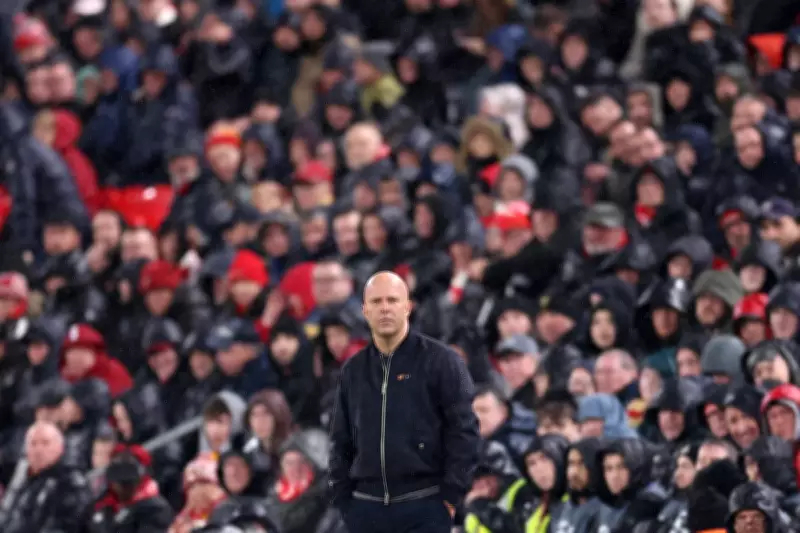
Arne Slot could only watch from the sidelines as Liverpool slumped to a 2-0 defeat against Paris Saint-Germain at Anfield, sealing a comprehensive 4-0 aggregate loss in the Champions League quarter-finals. The result confirms a trophyless season for the Reds, marking a dramatic fall from grace for a club that was cruising toward Premier League glory just twelve months ago.
A Season of Unfulfilled Promise
Liverpool midfielder Ryan Gravenberch captured the mood perfectly when he described the failure as "big" in the aftermath of the PSG defeat. This stark assessment stands in sharp contrast to head coach Arne Slot's persistent optimism about the team's future prospects. The harsh reality is that Liverpool's campaign has been defined by sustained underperformance, despite a massive £450 million squad overhaul last summer.
The Champions League exit represents more than just a disappointing result—it threatens the club's entire business model, which relies heavily on lucrative European revenue streams. With the top five Premier League teams qualifying for next season's Champions League, Liverpool now face a crucial battle to secure their place among Europe's elite.
Critical Period Yields Disastrous Results
The visit to Everton for Sunday's Merseyside derby has taken on monumental importance for Slot and his squad. This match concludes what was supposed to be a defining five-game stretch that would determine Liverpool's fate in both the FA Cup and Champions League while strengthening their top-five credentials.
Instead, the first four matches of this critical period have produced three defeats, two competition exits by an aggregate scoreline of 8-0, and just one league victory inspired by 17-year-old Rio Ngumoha. Liverpool's tactical experiments against PSG—including starting Alexander Isak for the first time in four months and deploying a back five formation—failed to produce the desired results.
Injury Woes Compound Liverpool's Problems
The misfortune continued when Hugo Ekitiké collapsed with a suspected achilles injury in the 27th minute of the second leg against PSG. Should worst fears be confirmed, the forward—one of the few bright spots from last summer's expensive recruitment drive—would likely miss the remainder of the season.
This injury represents the latest in a long line of fitness problems that have plagued Liverpool throughout the campaign. The absence of their leading goalscorer means the new £320 million front line of Alexander Isak, Ekitiké, and Florian Wirtz will have played just 115 minutes together by season's end.
Slot's Optimism Rings Hollow Amid Growing Concerns
Slot's post-match comments about Isak's return sounding "like a £125 million lead balloon being dropped on to a miserable night" highlighted the disconnect between the coach's positivity and the team's actual performance. While Slot insisted that "the future looks very bright for this team, for this club," the evidence suggests otherwise.
Liverpool's repeated failure to convert chances—underscored by their consistent underperformance against expected goals metrics—points to systemic issues rather than mere bad luck. As Gravenberch noted, "We have been a bit unlucky whereas last year we got a lot of things going our way. This year it feels we're only getting setbacks."
The Road Ahead
With six Premier League matches remaining, Liverpool must now focus entirely on securing Champions League qualification for next season. The return of Alexander Isak could prove crucial in this pursuit, though the striker's minimal impact against PSG—managing just five touches before his halftime substitution—raises questions about his readiness.
Sporting director Richard Hughes, who witnessed the PSG defeat firsthand, faces difficult decisions about the club's direction. The expensive summer signings have largely underwhelmed, and Slot's tactical choices have come under increasing scrutiny. As Liverpool stumbles toward the finish line, the final six games will determine whether this season represents a temporary setback or the beginning of a more prolonged decline.