
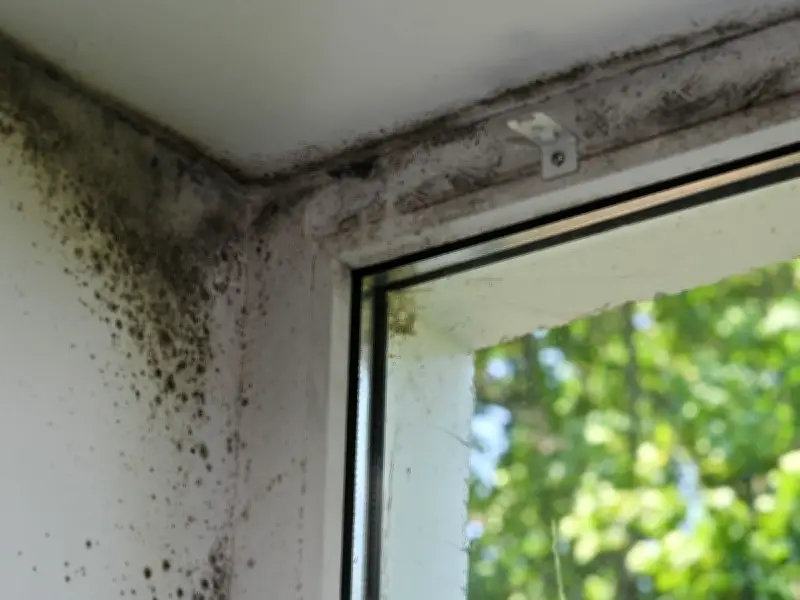
Brent Council has adopted a zero-tolerance approach to damp and mould in its social housing, promising to respond to emergencies within 24 hours and complete repairs within five days of inspection, aligning with Awaab's Law. The new policy, approved by the Cabinet on July 27, sets clear service standards for the council's approximately 12,000 homes, including inspections within 10 days and full remediation within 12 weeks where required.
Background and Context
Awaab's Law was introduced following the tragic death of two-year-old Awaab Ishak in 2022, who developed a severe respiratory condition from prolonged exposure to black mould in his home. The legislation mandates stricter timelines for social landlords to address damp and mould issues, and Brent Council's new policy is a direct response to these requirements.
The council already has around 320 active cases of damp and mould, with an average of 34 new cases reported weekly—a figure expected to rise during winter. The policy aims to tackle these issues proactively, with a focus on prevention, early intervention, and effective communication with residents.
Key Measures and Commitments
The policy outlines specific response times: emergencies within 24 hours, inspections within 10 days, repair work within five days, and full remediation within 12 weeks. These standards are designed to provide residents with clear guidance and accountability, as stated by Cabinet Member for Housing, Homelessness and Renters, Cllr Robert Johnson.
“These standards provide residents with clear guidance and greater assurance and accountability, while helping us to identify and address issues before they escalate,” said Cllr Johnson. “The policy also recognises that inequalities can arise from poor housing conditions and commits the council to adopting a risk-based approach that targets support where it is needed, alongside robust monitoring and reporting performance that will help us continually improve outcomes for our tenants and leaseholders.”
Public Health Perspective
Cabinet Member for Community Safety and Public Health, Cllr Liz Dixon, emphasised that damp and mould are not just property issues but significant public health concerns. “We know that they have concerns and have serious consequences for residents, particularly children, older people, pregnant women, disabled residents, and those with respiratory conditions,” she said. “This policy [...] adopts a zero-tolerance approach and makes clear that we will not unfairly attribute damp and mould to residents' lifestyles.”
Cllr Dixon added that the policy supports the council's wider ambition to provide safe, decent, and sustainable homes, reducing health inequalities. “I'm really glad that the council has responded really seriously to this piece of legislation and is acting to raise standards for our tenants,” she concluded.
Funding and Implementation
The costs of implementing the policy will be covered by the ring-fenced Housing Revenue Account (HRA), which the council uses to meet its landlord responsibilities. The local authority emphasised that the measures are about more than compliance, aiming to build trust with residents and respond swiftly to concerns.
Council Leader, Cllr Muhammed Butt, stressed the importance of taking responsibility seriously. “It's not about apportioning blame to anyone. It's just making sure that we're taking our responsibility seriously and, where issues and concerns have been highlighted to us, that we're responding in a timely manner,” he said. “It's about people being able to live good quality, decent lives in good quality accommodation and this is part and parcel of our commitment to help support residents in being able to live fruitful lives with their families as well.”




