The Premier League's managerial merry-go-round presents clubs with increasingly complex decisions, particularly when considering mid-season changes. Liverpool and Tottenham Hotspur currently find themselves in remarkably similar predicaments despite their different circumstances, both grappling with the question of whether to persist with struggling managers or make potentially risky changes.
The Parallel Struggles of Two Premier League Giants
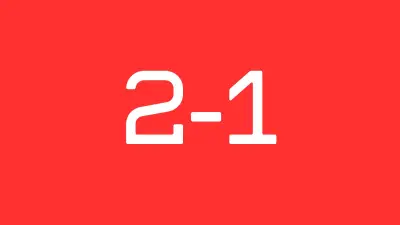
Liverpool's recent form has raised significant concerns despite their thirteen-game unbeaten run coming to an end against Bournemouth. The Reds' performances have been far from convincing, with home draws against all three promoted clubs highlighting deeper issues within the squad. Meanwhile, Tottenham's struggles have been even more pronounced, managing just two victories in their last thirteen league matches before Cristian Romero's injury-time equaliser salvaged a point against Burnley.
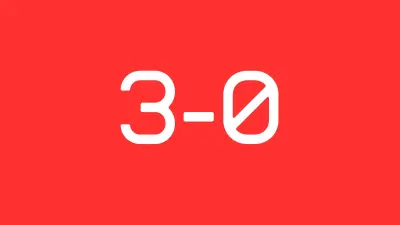
European competition has provided temporary respite for both clubs, with Liverpool delivering an impressive 3-0 victory away to Marseille and Tottenham producing their best performance since August during the first half against Borussia Dortmund. However, these European successes have only served to highlight the unique physical demands of the Premier League, where even struggling domestic sides like Bournemouth and Burnley present challenges that continental opponents often cannot match.
The Modern Managerial Market Problem
Both clubs face what has become a distinctly modern problem in football management: what happens when a manager appears to have run out of momentum midway through the season? The question of who could realistically replace them presents significant difficulties, as clubs must identify candidates who are both of the required calibre and currently available.
This season presents additional complications with the upcoming World Cup, which will release numerous high-profile managers into the job market afterwards. Clubs face the delicate balancing act of timing their approaches correctly, avoiding accusations of disrupting national team preparations while also ensuring they don't miss out on their preferred candidates.
The Aspiring Manager's Perspective
From the perspective of a promising young manager currently performing well at a mid-sized club, the timing of any potential move becomes crucial. Modern football no longer allows for instant transformations, with new ideas requiring significant time to implement properly. Most managers would ideally want three or four transfer windows to mould a squad to their vision.
The risks of moving mid-season are substantial. Not only might a manager miss out on potential cup runs or European success with their current club, but they also risk inheriting an unstable situation that could damage their reputation before they've had proper opportunity to implement changes. The scarcity of pragmatic managers capable of working effectively with existing squads only compounds this problem at the top level of the game.
The Interim Solution and Its Complications
When clubs reach the point where they believe replacing the incumbent manager offers their best chance of achieving season objectives, they often turn to interim solutions. This approach brings its own set of complications, particularly when the interim manager is a beloved former player who performs unexpectedly well.
The success of an interim appointment can create significant pressure for their permanent appointment, potentially complicating the club's long-term planning. Conversely, if results merely stabilise without significant improvement, the season effectively becomes a write-off, as demonstrated by recent experiences at clubs like West Bromwich Albion.
Specific Challenges at Liverpool and Tottenham
Thomas Frank's situation at Tottenham illustrates the difficulties of transitioning from a smaller club to a Premier League giant. While he has faced genuine challenges with injuries, particularly in attacking positions, his communication style and tactical approach have sometimes seemed ill-suited to a club with Tottenham's ambitions. The shadow of previous managerial changes and interim periods looms large over the club's decision-making process.
Meanwhile, Arne Slot faces different but equally significant challenges at Liverpool. The influx of new signings has created squad imbalance issues, with the team struggling against defensive low blocks and showing vulnerability at set pieces. Liverpool's Champions League campaign could yet change perceptions, but failure to qualify for next season's competition would undoubtedly increase pressure on the Dutch manager.
The fundamental question facing both clubs remains whether to persist with their current managers through difficult periods or make potentially risky changes in an increasingly complex managerial market. With few ideal candidates available and significant risks associated with mid-season appointments, both Liverpool and Tottenham must weigh their options carefully as they navigate one of football's most challenging dilemmas.