
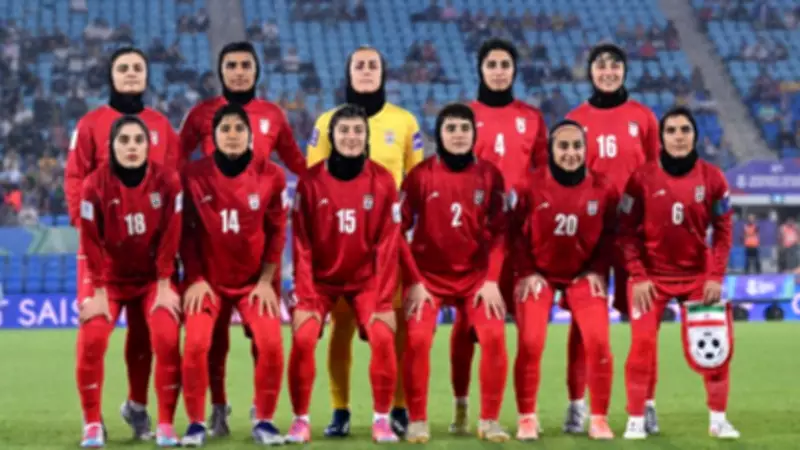
Iranian Women Footballers Granted Australian Visas Amid Safety Fears
In a significant development, five members of the Iranian women's football team have been granted Australian visas and relocated to a secure location, following concerns over potential repercussions if they returned to Iran. The players were in Australia participating in the Asian Cup when the Iran war erupted just over a week ago, heightening tensions and fears for their safety.
Government Action and International Response
Australian Prime Minister Anthony Albanese confirmed that officials had been preparing for this scenario for some time. The home affairs minister traveled to Queensland on Monday to facilitate the move, ensuring the players' protection. Albanese emphasized, "Australians have been moved by the plight of these brave women. They are safe here and they should feel at home here." He added that once it was clear the women desired assistance, the Australian Federal Police swiftly moved them to a safe location where they remain under guard.
US President Donald Trump commented on the situation via social media, stating that five players had "been taken care of" but noted that others were returning home. Trump indicated that some players felt compelled to return due to worries about their families' safety, including threats against relatives if they did not come back. He mentioned having spoken with Prime Minister Albanese about the matter, praising the Australian leader's efforts.
Background of the Controversy
The controversy stems from the team's decision to remain silent during the national anthem before their match with South Korea, an act interpreted by some as resistance and by others as mourning following initial US-Israel attacks on Iran. Iranian state TV criticized the players, with a commentator labeling their silence as the "pinnacle of dishonour" and suggesting that "traitors during wartime must be dealt with more severely." This backlash raised alarms about the players' welfare upon their potential return.
Despite singing and saluting in subsequent matches against Australia and the Philippines, concerns persisted that they had been coerced into these actions. The team failed to advance past the group stage, and players' union FIFPRO expressed "really concerned" about their welfare, noting difficulties in contacting them. Supporters at the Gold Coast stadium chanted "let them go" and "save our girls" as the team's bus departed, with reports indicating some players made the international hand signal for help.
Ongoing Threats and Advocacy
Exiled crown prince Reza Pahlavi, residing in the US, highlighted the "ongoing threat" faced by the team after their "brave act" of civil disobedience. He urged the Australian government to ensure their safety and provide necessary support, citing "dire consequences" should they return to Iran. The Australian Iranian Council had previously called for protection, launching an online petition to prevent any team member from departing Australia while credible safety fears persisted.
This incident underscores the intersection of sports, politics, and human rights, with the Australian government's response being closely watched internationally. As the situation evolves, the focus remains on the safety and well-being of these athletes amidst a complex geopolitical backdrop.