
Iranian Women Footballers' Dramatic Asylum Bid After Asian Cup Anthem Protest
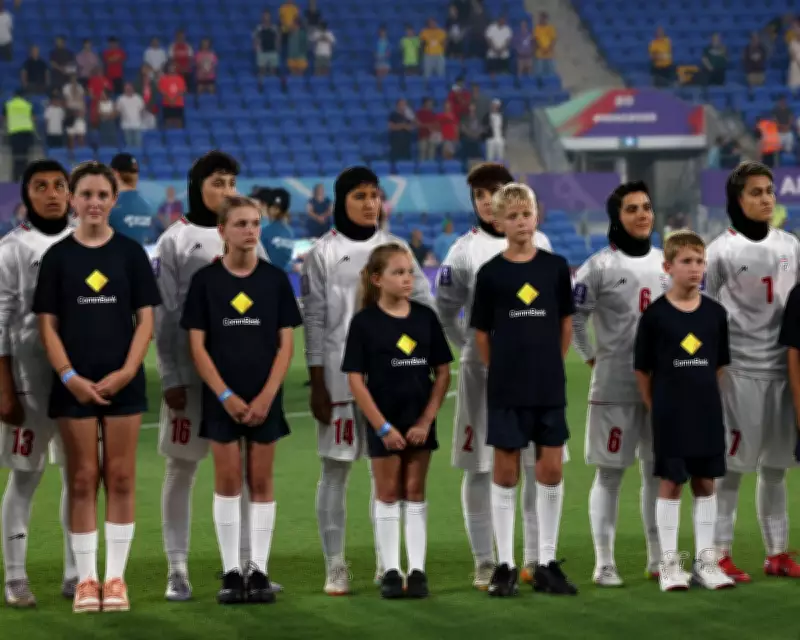
In a bold act of defiance, the Iranian women's national football team refused to sing their national anthem during their opening match at the Asian Cup, igniting a high-stakes drama that culminated with five players seeking asylum in Australia. This silent protest against their homeland's regime, where women's rights are severely restricted, set off a chain of events marked by surveillance, international intervention, and a desperate bid for freedom.
The Anthem Protest and Immediate Backlash
The team's first game against South Korea took place less than 48 hours after US and Israeli airstrikes devastated Iran. As the national anthem played, the players stood in resolute silence, a powerful statement against the oppressive regime. State-run television responded with furious invective, branding them "wartime traitors" and calling for severe punishment. The host, Mohammad Reza Shahbazi, emphasized that traitors during wartime should face definitive and severe confrontation, leaving a stain of dishonour on their foreheads.
Under intense pressure, the team was tightly sequestered in their hotel, with movements and communications monitored by security personnel believed to be from Iran's Revolutionary Guard Corps. By their next match against Australia's Matildas, every member saluted and sang the anthem, but behind the scenes, some were already planning not to return to Iran.
Tournament Exit and Asylum Plans
Iran's final group match against the Philippines ended in a 2-0 loss, eliminating them from the tournament. Amid ceaseless rain on the Gold Coast, goalkeeper Raha Yazdani made extraordinary saves, but it wasn't enough. As their bus left the stadium, protesters surrounded it, chanting "save our girls," and some players were seen making the international hand gesture for help.
Over the following days, Australian Home Affairs Minister Tony Burke travelled to Queensland to speak with team members about their situation. Advocates from the Iranian diaspora raised serious concerns that Islamic Republic officials were intimidating and closely monitoring the players, urging Australian authorities to speak with them privately away from these minders.
Australian Intervention and Visa Grants
Australian federal police successfully removed the minders' "forces of coercion and control," allowing players to be informed of their rights privately. The Australian government offered temporary humanitarian visas, subclass 449, which provide temporary protection with a pathway to permanency, similar to those offered to Ukrainians and Afghans fleeing conflict.
Five players—captain Zahra Ghanbari, Fatemeh Pasandideh, Zahra Sarbali, Atefeh Ramezanizadeh, and Mona Hamoudi—decided not to return to Iran. They were taken by police to a secure location, security-vetted by intelligence agency Asio, and granted visas early Tuesday morning. The ministerial paperwork was finalized long before US President Donald Trump's public declarations, which included a late-night phone call to Australian Prime Minister Anthony Albanese urging asylum for the team.
Ongoing Surveillance and Potential Further Defections
While five players have chosen to stay, the remaining team members faced continued surveillance by regime-linked minders. As they prepared to leave Australia, at least one player was seen being forcibly led onto the team bus, held by the hand and pulled by a teammate. The team's departure was complicated by Iranian missile strikes on UAE territory, forcing a reroute through Malaysia and Turkey instead of Dubai.
In Australia, speculation grew rampant over the fate of the team, with supporters gathering at Sydney airport to shine torches through windows in a show of solidarity. Australian academic Kylie Moore-Gilbert, who was detained in Iran for 804 days, urged Australia to intervene further, highlighting the rare opportunity to hold the regime accountable for its treatment of women.
Sources close to the group expect more players and possibly staff to decide to stay in Australia, but the situation remains tense. The Australian government has reiterated that assistance is available for any team member who wishes to seek asylum, emphasizing that these women are welcome and safe in Australia.