
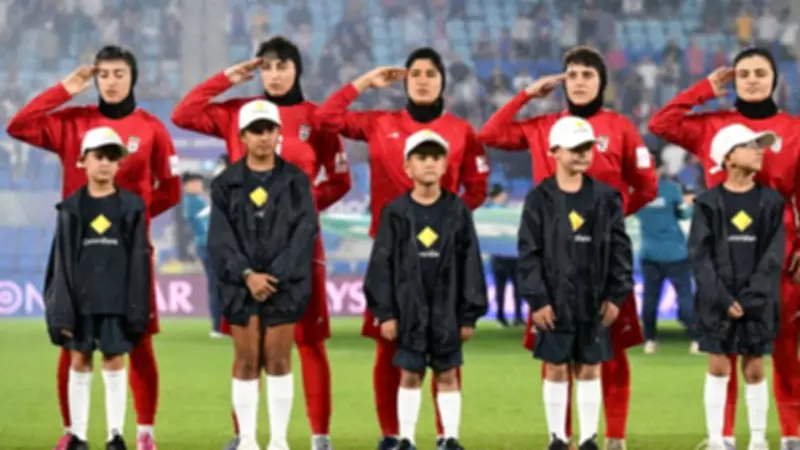
Iranian Women Footballers Seek Asylum in Australia Amid Safety Fears
In a dramatic turn of events, five members of the Iranian women's football team have left their training camp and sought refuge in Australia, citing fears of "dire consequences" if they were to return to their home country. This development follows their participation in the Asian Cup, where the team faced intense scrutiny and criticism.
Political Reactions and Safety Concerns
President Trump addressed the situation on social media, stating that five players had "been taken care of" while indicating others were returning home. He noted, "Some, however, feel they must go back because they are worried about the safety of their families, including threats to those family members if they don't return." This highlights the complex pressures faced by the athletes.
Exiled crown prince Reza Pahlavi, based in the US, emphasized the "ongoing threat" the team faces after their "brave act" of not singing the national anthem during matches. He called on the Australian government to ensure their safety, underscoring the political tensions surrounding the incident.
Team's Actions and Public Response
The players were reportedly criticized on Iranian state television, with a commentator labeling their silence during the anthem as the "pinnacle of dishonor." Some interpreted this silence as an act of resistance or mourning following recent geopolitical events, though the team has not officially commented on their stance.
During their matches, the team sang and saluted in defeats to Australia and the Philippines, but concerns arose that they may have been coerced into these actions. Their failure to advance past the group stage added to the scrutiny, with players' union FIFPRO expressing "really concerned" about their welfare and inability to contact them.
Support and International Pressure
As the team's bus left the stadium after a match, dozens of supporters chanted "let them go" and "save our girls," with reports from CNN indicating that at least three players made the international hand signal for help. This public outcry has put pressure on authorities to act.
The Australian Iranian Council urged the government to protect the players, launching an online petition to prevent their departure while safety fears persist. Australian Foreign Minister Penny Wong declined to comment on direct contact but acknowledged the emotional impact of their presence, stating, "It has been really moving for Australians to see them in Australia."
This incident underscores the intersection of sports and politics, highlighting the risks faced by athletes in repressive regimes and the global community's role in safeguarding human rights.