
England's Football Reality Check: Are Expectations Outpacing Talent?
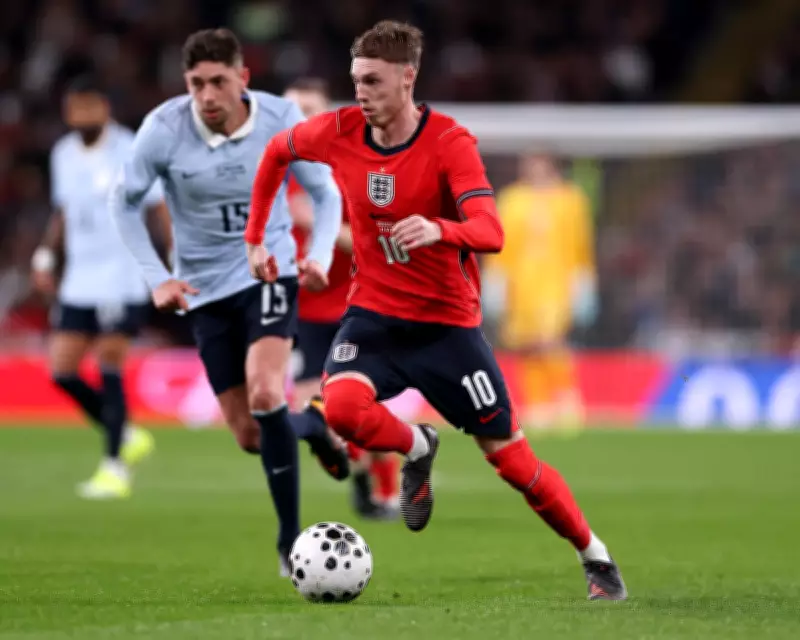
Cole Palmer stands as England's sole high-grade, creatively unpredictable player in the current national setup. This observation highlights a broader concern within the Three Lions' camp as they navigate a period of transition under manager Thomas Tuchel.
The Dating Game Analogy
Attempting to rationalize England's football capabilities often feels reminiscent of New York's hyper-formalized 1990s dating scene. The constant analysis of choices, personnel decisions, and tactical what-ifs creates a frantic search for answers that might not exist. Like scrutinizing dating rules that ultimately boil down to simple compatibility, perhaps England's football situation requires similar simplification.
The Occam's razor principle applies here: maybe England aren't as good as fans and pundits want them to be. This straightforward explanation challenges the endless debates about managerial decisions, hotel selections, and player tattoos that dominate football discourse.
The Current Squad Reality
If England were to start a World Cup tomorrow, their fit and in-form starting eleven would likely include: Jordan Pickford; Tino Livramento, Marc Guéhi, Ezri Konsa, Nico O'Reilly; Declan Rice, Elliot Anderson; Bukayo Saka, Morgan Rogers, Marcus Rashford; Harry Kane. This lineup prompts serious questions about its tournament-winning potential versus simply being a competent team.
The defensive situation reveals particular concerns. While current fit centre-backs are excellent footballers, none have won major league or European titles. O'Reilly's talent is undeniable, but asking him to defend against world-class attackers like Kylian Mbappé for 90 minutes presents significant challenges. The midfield lacks a career holding player, and the debate around Harry Kane's understudy has become increasingly desperate.
Statistical Evidence of Limitations
The numbers tell a sobering story. England have played just one good team under Tuchel – Senegal – and lost that match at home. Since the beginning of 2024, they've faced four teams in FIFA's top ten rankings, managing only one victory against the Netherlands while losing to Spain and Brazil and drawing with Belgium.
This record suggests England might simply be operating at their appropriate level – perhaps the world's fifth-best team rather than the championship contender many hope for. The squad's composition reinforces this assessment, with four starters who are second choice at their clubs and four players potentially facing relegation with their domestic teams.
The Talent Gap
No fresh A-list players have emerged since the last World Cup, creating a talent vacuum. Bukayo Saka appears fatigued both physically and tactically, showing limited variations in his play. Harry Kane, while undoubtedly world-class, often seems to congeal at major tournaments and faces disproportionate criticism for not achieving perfection.
The number ten position exemplifies England's talent confusion. Phil Foden has managed just two goals in his last 45 international appearances. Morgan Rogers represents quality but doesn't strike fear into elite opponents. Even England's most obvious top-level player, Kane, faces constant scrutiny at tournaments.
Comparative Analysis
Contrast England's situation with football's true elite. France currently boasts twelve players still competing in the Champions League. Spain maintains an endless roster of technical players who all execute essentially the same style for their clubs. England lacks this consistency and depth of top-tier talent.
This talent gap stems partly from unearned exceptionalism – the persistent notion that England should always excel simply because they're England. The Premier League's global hype machine compounds this problem, creating the illusion that exposure to star-studded environments automatically produces stardom.
Glimmers of Hope
Despite these challenges, opportunities remain. Jude Bellingham has a maximum of fourteen games left this season to establish himself, while Cole Palmer has eleven. Both players still have time to become key attacking figures for the national team.
Palmer represents the most intriguing possibility. Regardless of current form fluctuations, he remains England's only high-grade, creatively unpredictable option. His comfort with possession and performance against quality opposition suggest untapped potential. In an alternate timeline, Palmer's performances in the Euro 2024 final and Club World Cup might have established him as the team's central figure.
Managerial Context and Future Directions
Thomas Tuchel's appointment raised eyebrows given his lack of tournament specialization and international experience. However, he clearly understands English football culture and faces familiar structural problems. Most significantly, England still lacks a distinct footballing identity – instead presenting a hodgepodge of borrowed styles and FA pathways developed from observing European trends.
Tuchel has discussed developing an assertive Premier League style, but this season's domestic football raises questions about that approach's viability. The fundamental issue remains: England's players demonstrate quality but not overwhelming superiority, with the best talents being both insufficient in number and vulnerable to injuries.
Ultimately, England's football fortunes depend on basic talent and the crucial relationship between players and the ball. While time remains to construct a functional team – if not finding eleven perfect players, then identifying eleven suitable options for now – expectations must align with reality. The journey continues toward potential success, but perhaps with more measured ambitions than previously imagined.