
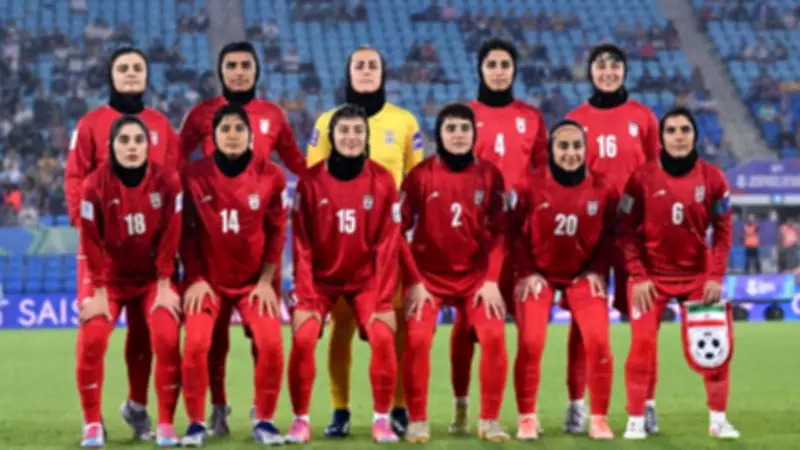
Australia Grants Visas to Iranian Women Footballers Following International Pressure
In a significant humanitarian gesture, Australia has agreed to grant visas to five members of the Iranian women's football team, who sought refuge in the country after expressing fears of dire consequences if they returned to Iran. This decision comes amid mounting international pressure, including appeals from former US President Donald Trump and exiled Iranian crown prince Reza Pahlavi.
Background of the Crisis
The Iranian team was in Australia for the Asian Cup when they became the center of a global controversy. During a match against South Korea, the players remained silent during the national anthem, an act interpreted by some as a form of resistance or mourning following recent geopolitical tensions. State TV in Iran harshly criticized the team, with a commentator labeling their silence as the pinnacle of dishonor and suggesting severe repercussions for such actions in wartime contexts.
After being knocked out of the tournament, concerns for the players' safety escalated. The players' union, FIFPRO, expressed serious concerns about their welfare and reported difficulties in contacting them. Supporters at the stadium on the Gold Coast chanted slogans like let them go and save our girls, with some claiming to see players making international hand signals for help from the team bus.
International Appeals and Government Response
Former US President Donald Trump played a pivotal role in the situation, announcing on social media that he had spoken with Australian Prime Minister Anthony Albanese about the matter. Trump stated that five have already been taken care of, but noted that some players felt compelled to return to Iran due to fears for their families' safety. He emphasized that threats had been made against family members if the players did not come back.
Exiled crown prince Reza Pahlavi also urged the Australian government to protect the players, highlighting the ongoing threat they faced after their brave act of civil disobedience. He called for Australia to ensure their safety and provide all necessary support. The Australian Iranian Council supported these calls, launching an online petition to prevent any team member from departing while credible safety fears persisted.
Australian Government's Decision
In response to these appeals, Australian Home Affairs Minister Tony Burke confirmed that the five players—Fatemeh Pasandideh, Zahra Ghanbari, Zahra Sarbali, Atefeh Ramazanzadeh, and Mona Hamoudi—were welcome to stay in Australia and would be granted visas. This move underscores Australia's commitment to humanitarian protection and aligns with broader efforts to support individuals at risk of persecution.
The players have not made specific comments on their stance, but their actions have sparked a global conversation about athlete safety and political expression in sports. While they sang and saluted in subsequent matches, concerns remained that they might have been coerced into doing so.
Broader Implications
This incident highlights the intersection of sports, politics, and human rights, with the Australian government's decision setting a precedent for how nations can respond to international crises involving athletes. It also reflects the growing role of social media and high-profile figures in advocating for vulnerable groups. As the situation develops, the focus remains on ensuring the safety and well-being of all team members, both those granted asylum and those who may return to Iran under uncertain conditions.