Welsh Fire Emerge as Big Spenders in The Hundred Auction Session
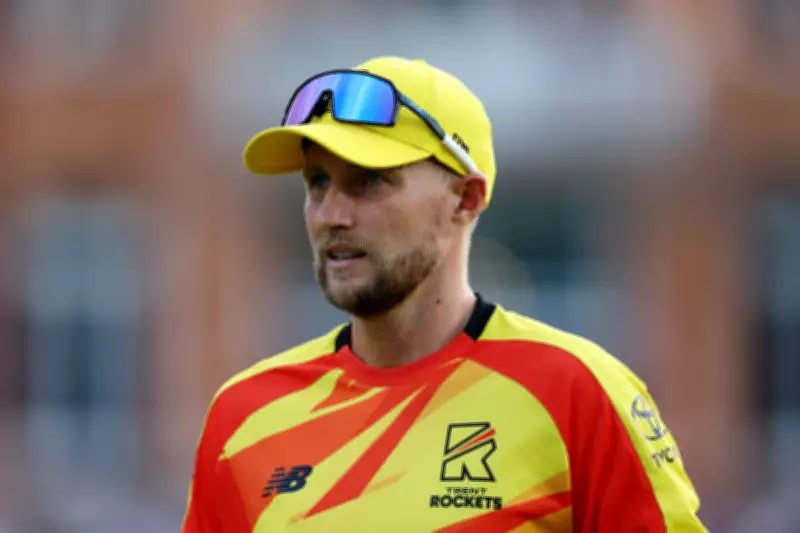
The morning session of The Hundred auction witnessed Welsh Fire establishing themselves as the most aggressive spenders, committing a substantial £540,000 to secure two marquee players. The Cardiff-based franchise invested heavily in former England Test captain Joe Root, who commanded £240,000, and wicket-keeper-batter Jordan Cox, who fetched the highest price before lunch at £300,000.
Record-Breaking Deal for Uncapped All-Rounder
While Welsh Fire made headlines with their dual acquisition, the men's auction saw an even larger individual contract awarded. Uncapped English all-rounder James Coles, aged just 21, became the most expensive player of the session when London Spirit secured his services for £390,000. Despite never featuring for senior England teams, Coles will now earn more than many established national players through this year's Hundred competition.
Coles, who made his debut for Sussex at the remarkably young age of 16, represents a significant investment in emerging talent. His substantial contract demonstrates the premium franchises are willing to pay for promising young players with high potential in the competitive tournament environment.

Strategic Investments and International Dynamics
Welsh Fire's spending spree brings their total investment in just two players to over half a million pounds. The franchise holds a unique position among the eight Hundred teams as the only one to have sold exactly 50 percent of its stake to overseas investors. This strategic 50 percent ownership was acquired by American-Indian businessman Sanjay Govil, who also owns the Major League Cricket team Washington Freedom.
The auction also highlighted complex international dynamics within cricket's financial landscape. Birmingham Phoenix secured Pakistani player Usman Tariq for £140,000 despite concerns that Indian investors in The Hundred might avoid Pakistani talent. This acquisition came after the England and Wales Cricket Board issued warnings to teams with investment from companies operating in the Indian Premier League, explicitly stating they could not discriminate against Pakistani players.
Additional Major Signings and Unsold Stars
Sunrisers Leeds engaged in a competitive bidding war to secure Pakistan leg-spinner Abrar Ahmed with a successful £190,000 offer. Birmingham Phoenix, backed by Knighthead Capital investment and based at Edgbaston, successfully fended off competition from Trent Rockets to secure Tariq's services.
Other notable signings during the session included Jonny Bairstow (£160,000 to London Spirit), Adil Rashid (£250,000 to Southern Brave), James Vince (£190,000 to MI London), Aiden Markram (£200,000 to Manchester Super Giants), and David Miller (£110,000 to Southern Brave). These players joined Cox and Root as the tournament's designated "hero players" for the upcoming season.
Despite the flurry of activity, some prominent names remained unsold during the morning session. Pakistani hero player Haris Rauf and New Zealand's Daryl Mitchell failed to attract bids, highlighting the selective nature of franchise spending within the salary cap constraints.
Franchise Building and Salary Management
The Hundred auction represents a crucial team-building opportunity for all eight franchises, each operating within a salary cap exceeding £2 million. Teams must carefully balance their spending while adhering to limits on overseas player allocations within each squad.
Welsh Fire's acquisitions of Root and Cox will see them join existing stars Phil Salt and Chris Woakes, creating a formidable Cardiff-based lineup. Additional players will be added throughout the ongoing auction in Piccadilly as franchises continue to shape their rosters for the upcoming competition.
The morning session demonstrated both the financial power of franchise cricket and the strategic calculations teams must make when investing in player talent. With substantial sums changing hands and emerging players commanding premium prices, The Hundred continues to reshape cricket's economic landscape while maintaining competitive balance through its salary cap system.