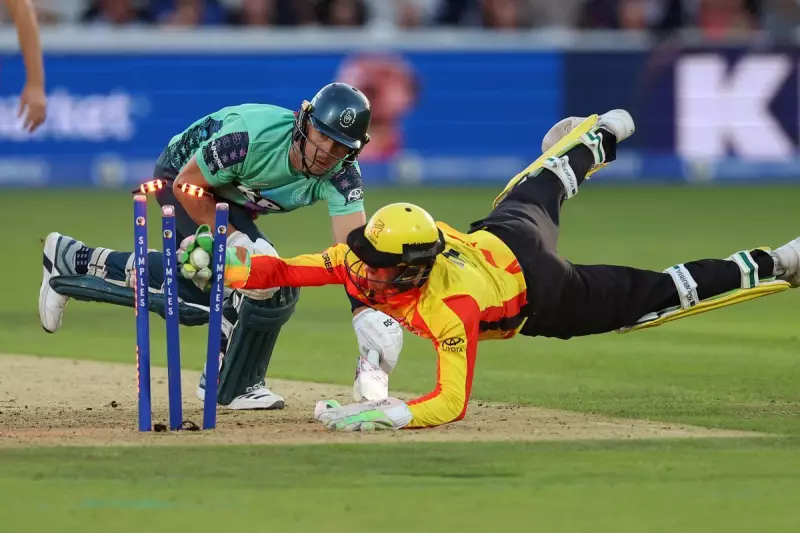
The initial optimism surrounding the influx of overseas investment into The Hundred has soured, with significant tensions now emerging between the new owners and the traditional county clubs. Multiple sources have described relationships at several franchises as "fractious," revealing a brewing power struggle over the direction of England's flagship short-format competition.
Culture Clashes and Control Battles
According to exclusive information obtained by City AM, the core of the dispute stems from fundamental "culture clashes" between the new investors and the counties. The investors, who are predominantly from India and the United States, have reportedly clashed with their county partners over business practices, strategic vision, and crucially, over team identities. Specific points of contention include proposed changes to team names, kit colours, and sponsorship agreements.
A senior insider at one franchise indicated that Indian investors are currently asserting significant influence, characterising them as "dictating" the crucial conversations about the future of their teams. This follows the landmark sale by the England and Wales Cricket Board (ECB) in 2025 of 49% stakes in all eight Hundred teams. Several host counties also opted to sell portions of their own shareholdings, welcoming deep-pocketed external partners.

A New Era of Autonomy and Change
This investment has already catalysed the most substantial changes since The Hundred's 2021 launch. The competition has moved to an Indian Premier League (IPL)-style player auction, replacing the previous draft, and granted franchises unprecedented freedom to alter their commercial and visual identity. This new autonomy is visibly reshaping the league.
Oval Invincibles have been rebranded as MI London after being acquired by the Ambani family's Mumbai Indians empire. Similarly, Northern Superchargers are now Sunrisers Leeds, and Manchester Originals have dropped 'Originals' to align with their IPL sister franchise. These changes symbolise the global investors' desire to build cohesive, international brand portfolios.
Sponsorship Shake-Up on the Horizon
The investor influx has also dismantled the ECB's centralised commercial model. As City AM previously revealed, franchises now have the power to negotiate their own kit and sponsorship deals. Nike has already replaced New Balance as the kit supplier for London Spirit, and Castore has signed a deal with Birmingham Phoenix.
The central sponsorship deal with KP Snacks, which sees brands like Hula Hoops and McCoy's on team shirts, is reported to run until 2028. However, teams are now actively planning for its conclusion and can seek new partners from that date. It is understood that sleeve sponsorship positions will be the first commercial assets offered, with Indian companies expected to show strong interest. This shift marks a decisive move from a league-controlled model to a franchise-driven commercial landscape, with all the potential for conflict and innovation that entails.