England's scheduled Twenty20 series in South Africa for January has been officially cancelled following protracted negotiations between cricket boards, marking another significant shift toward franchise cricket's growing dominance in the international calendar.
Schedule Restructuring Amid Franchise Priorities
The original tour itinerary included three Test matches in Johannesburg, Centurion, and Cape Town during December and January, followed by three T20 internationals and three one-day internationals. However, the entire T20 component has now been removed from the finalized schedule announced this week.
This decision stems directly from an unavoidable clash with South Africa's domestic SA20 tournament, scheduled to run from January 9 to February 14, 2027. The Guardian had previously reported the white-ball segment was under serious threat due to this scheduling conflict.

ODI Compromise Reached
After weeks of delicate negotiations between the England and Wales Cricket Board and Cricket South Africa, a compromise was reached to preserve the one-day international series. CSA agreed to delay the SA20 tournament start slightly, allowing three ODIs to be squeezed into the narrow window between January 10 and 15.
However, this accommodation comes with significant venue compromises. Since SA20 had already secured bookings at South Africa's major cricket grounds, the ODIs will now be played at smaller, secondary venues in Paarl and Bloemfontein rather than the premier stadiums originally planned.
Strategic Prioritization of ODI Cricket
Cancelling the T20 series was deemed the most practical solution by both cricket boards to ensure at least one competitive white-ball series could proceed. The ODI format received priority consideration due to the upcoming 50-over World Cup scheduled for October and November 2027, which will be co-hosted by South Africa, Zimbabwe, and Namibia.
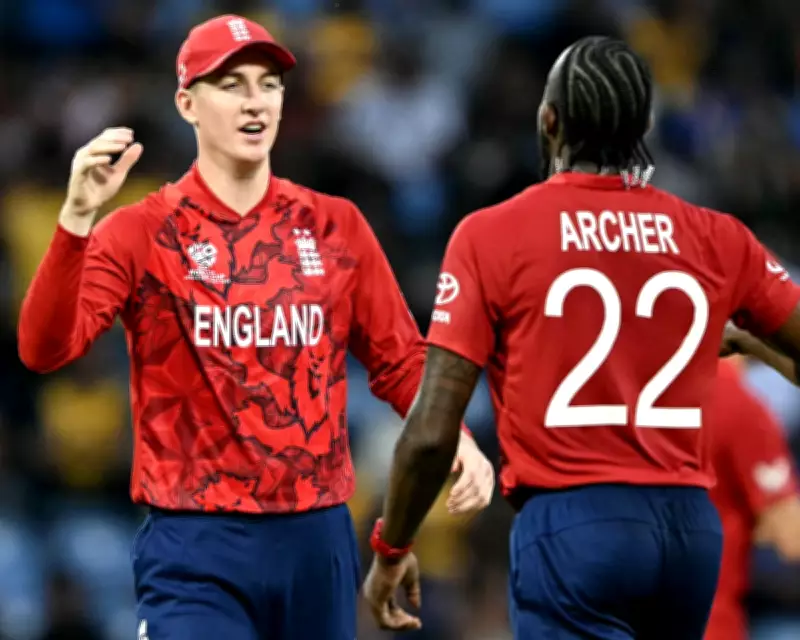
England's white-ball captain Harry Brook, currently leading the team at the T20 World Cup, will now focus on ODI preparations during this restructured South African tour. The decision reflects the continuing tension between international commitments and lucrative franchise tournaments reshaping cricket's global landscape.
Historical Context and Broadcast Implications
This isn't the first time SA20 scheduling has disrupted international cricket. Two years ago, South Africa sent a reserve team to New Zealand for a Test series due to similar conflicts, an outcome both boards were determined to avoid repeating.
During recent discussions, the ECB firmly rejected CSA's proposal to split the tour and play white-ball games in February after SA20 concluded. This was impossible due to England's Test team being committed to a tour of Bangladesh during that same period.
With three T20 internationals removed from the broadcast schedule, Cricket South Africa now faces potential rebate demands from its major domestic and international broadcast partners, including SuperSport and Sky Sports, who had anticipated broadcasting the complete tour package.
The cancellation underscores the increasing power of franchise tournaments in dictating international cricket schedules, with boards forced to make difficult compromises between traditional bilateral series and lucrative domestic competitions.