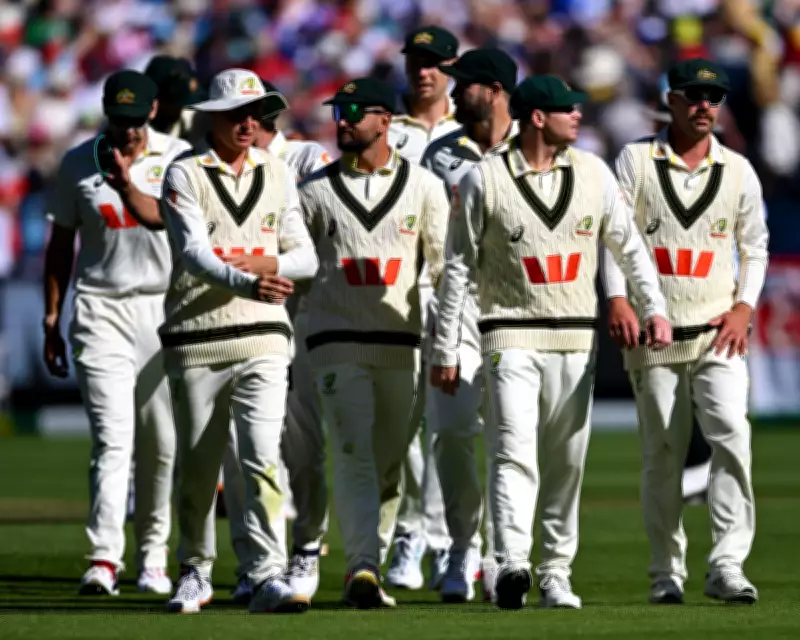
Cricket Australia's Crammed Test Schedule Threatens Summer Tradition
A packed cricket schedule this year and into next will see Australia's men play four Tests in the space of four weeks. This unprecedented compression of matches risks leaving Australian summers unrecognizable and fundamentally compromises the quality of the sport.
The Schedule Squeeze
Test season, traditionally the centerpiece of Australia's summer, will next time around consist of four matches played over four consecutive weekends. The season won't start until the second week of December and will conclude just a week into January. Cricket Australia claims to have expanded the schedule to seven Tests, but this includes a tropical excursion against Bangladesh in August and a pink-ball sideshow masquerading as the 150th anniversary Test in March.
Both these additional matches are distant islands to the summer mainland. Unlike most cricket-playing nations where limited-overs formats dominate, Tests remain Australia's most substantial earner and primary site of interest. Yet in a world where sports are trying to claim more of the calendar, Australian administrators appear to be in voluntary retreat.

Player Welfare Concerns
The physical demands of this schedule are staggering. If each match goes the distance when Australia hosts New Zealand at the end of this year, players could be on the field for 20 days out of 31, plus four travel days and Christmas spent on the road. This inevitably means player rotation, especially for bowlers, but not all eleven players can or will be rested.
Injury risks will increase significantly, as will mental burnout. Even for batters, excessive time in the field undermines performance. This schedule sends a troubling message to players like Mitchell Starc, who has passed up numerous IPL seasons and substantial riches to keep his body right for Test cricket. Their ambition appears secondary to administrative scheduling that is physically impossible to complete without compromise.
The Commercial Drivers
This scheduling anomaly isn't accidental. Cricket Australia will claim force majeure due to specific circumstances - New Zealand hosts India right before the Australia series, while Australia tours India right afterwards. The need to clear the India tour before the 150th Test will also be cited.
However, the real drivers are the still-expanding Indian Premier League starting in March and Test series against India becoming so lucrative that they have grown to five fixtures. Accommodating both means starting Tests in January. Notably, the Border-Gavaskar series against India will have longer breaks built in, with plans for two significant pauses that won't compromise player fitness or match quality.
Broader Implications
No cricket board here is a victim of circumstance. This squeeze is one that Cricket Australia has been complicit in creating, and more of the same appears to be on the way. This week, state associations and the federal body will hold a two-day meeting to discuss selling tranches of the Big Bash League to foreign investors, with IPL conglomerates as the most likely bidders.
For months, messaging from the governing body has maintained a pretence of neutrality while positioning itself to encourage the sale. The promise of vast sums will likely overcome any remaining resistance. This raises fundamental questions about Cricket Australia's purpose as a tax-exempt body established to serve the public good, not as a business tasked with seeking profit.
Future Compromises
Will capitalist conglomerates care about developing future Australian players? Will they accept Test duties keeping stars out of domestic leagues? Will they tolerate Test matches taking prime Christmas holiday airtime while the Big Bash comes second?
Cramming four Tests into four weeks unavoidably compromises the quality of the sport. But if cricket administrators are swayed by the promise of bags of cash, this will be just the first in a long list of compromises. These changes threaten to leave Australian summers unrecognizable and could make the concept of an Australian Test season a contradiction in terms.

The rhythm of cricket has always involved waiting - gaps between matches that allow players to rest, storylines to develop, and audiences to breathe. Removing these pauses doesn't just change the schedule; it changes the fundamental nature of the sport Australia has long cherished.