WNBA's Historic CBA Teaches Girls to Advocate for Themselves Amid Pay Gap
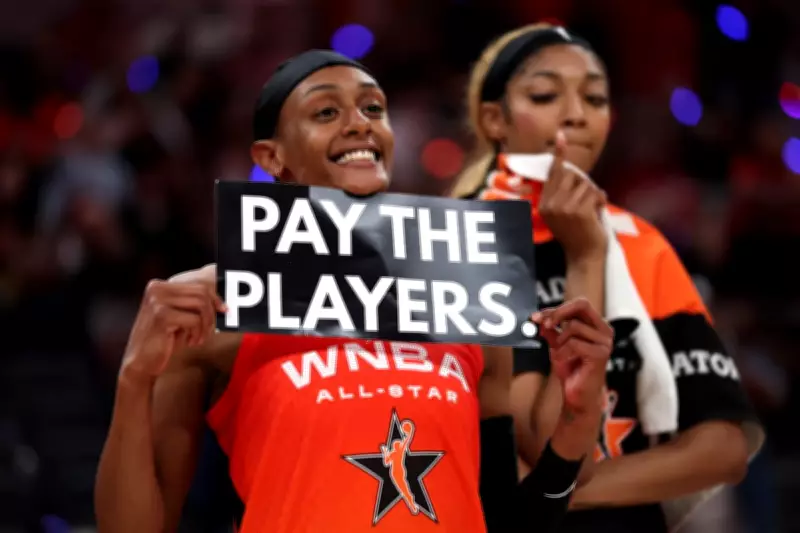
Brittney Sykes of the Washington Mystics made a powerful statement by holding a 'Pay the Players' sign after last year's WNBA All-Star Game at Gainbridge Fieldhouse in Indianapolis. This act symbolized the ongoing struggle for equity in women's sports, a theme that resonates deeply as the league secures a landmark new collective bargaining agreement.
A Landmark Deal Amid Persistent Attitudes
The WNBA's new seven-year collective bargaining agreement represents a significant moment of progress, with a salary cap increase to $7 million, maximum salaries approaching $1.4 million, 20% revenue sharing, expanded rosters, and charter flights. However, the discourse surrounding the negotiations has revealed enduring dismissive attitudes toward women athletes.
Jemele Hill, in an interview, highlighted this prevalent mindset, noting that women in sports are often told to be grateful simply for the opportunity to play. This sentiment was echoed in the experiences of Minnesota Lynx star and WNBPA vice-president Napheesa Collier, who publicly criticized what she described as a "dangerous and dismissive culture at the top of the WNBA."
Young Athletes Recognize the Patterns
For Etan Thomas, a father of daughters who play volleyball, these negotiations hit close to home. His daughters, Imani and Sierra, along with their teammate Addy, followed the discussions closely, recognizing familiar patterns of inequality. During a carpool discussion, they reacted to criticism from commentators like Dan Dakich, who dismissed Collier's advocacy, reinforcing the "shut up and dribble" mentality.
The girls shared their own experiences of inequality in sports, such as being forced to practice outside so boys could use the gym, receiving outdated uniforms while boys get new ones annually, and facing limited access to facilities. These stories underscore a broader reality where female athletes are often treated as second-class citizens.
The Stark Reality of the Pay Gap
Before the new deal, WNBA players received only about 9% of league revenue, compared to NBA players who get 49-51% of basketball-related income. This disparity is not just about revenue generation but reflects deeper structural issues. The gender pay gap in the United States persists, with women earning roughly 82 to 85 cents for every dollar earned by men, a trend that extends across industries.
No WNBA player is demanding NBA-level salaries, but it is unacceptable that professional athletes have had to take second jobs or play overseas to make ends meet. The causes of this gap are rooted in unequal opportunities and societal norms that devalue women's contributions long before they enter the workforce.
Advocacy as a Lesson for the Next Generation
The WNBA players' solidarity and advocacy in securing this deal send a powerful message to young girls everywhere. By standing up for their worth, these athletes demonstrate that self-advocacy is essential in challenging systemic undervaluation. As Imani Thomas noted, seeing WNBA players demand fair pay reminds her that she must assert her value, or society will continue to underestimate her efforts.
This moment is not just about basketball; it is a broader lesson in empowerment. The WNBA's historic agreement teaches that progress requires persistence, organization, and the courage to speak out against inequity, inspiring future generations to fight for their rights in sports and beyond.