NBA's Swift Action on Player Misconduct Contrasts with Owner Supply Chain Questions
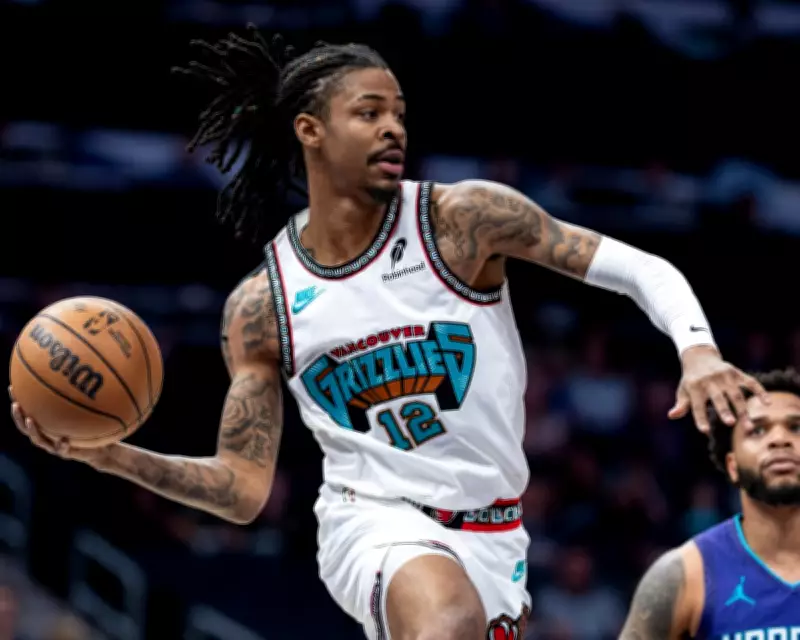
In 2023, the NBA suspended Memphis Grizzlies star Ja Morant after he brandished a firearm on social media, a visible transgression that prompted immediate disciplinary action to protect the league's image. This incident highlighted the NBA's ability to punish spectacle, but it raises deeper questions about how the league handles more complex, systemic issues involving its billionaire ownership class.
The Morant Suspension: A Case of Visible Discipline
Ja Morant's suspension was framed as a necessary measure to uphold the NBA's brand integrity. His gun-toting spectacle, captured on camera and not his first offense, invited swift public discipline. The league, as a corporation, acted decisively to smack his hand, demonstrating that visible misconduct demands visible punishment. This approach is straightforward: when harm is broadcast on platforms like Instagram Live, the NBA knows how to respond to safeguard its business interests.
Ubiquiti and Robert Pera: The Murkier Entanglements
However, the league has remained largely silent on the far murkier entanglements of owners like Robert Pera, founder and leader of Ubiquiti, a communications technology company. Investigative reports by Hunterbrook Media and commentary from journalists, including Pablo Torre, have raised concerns about Ubiquiti devices appearing in Russian military communications networks during the war in Ukraine. These devices are alleged to enable precision drone strikes against civilians, described by the United Nations as crimes against humanity.
Pera, with a net worth of $36.3 billion and ownership of 93% of Ubiquiti, has seen his company's hardware flow to Russia through intermediary exporters in countries like Turkey and Kazakhstan, despite Ubiquiti ceasing direct sales in 2022. There is no evidence that Pera personally directed these sales or violated U.S. sanctions, but the situation underscores how harm can travel through complex supply chains, hidden from public view.
Corporate Discipline: Visible vs. Systemic Harm
Corporations like the NBA are adept at disciplining visible threats to their brand, such as Morant's social media antics. Yet, they struggle to address slower, systemic issues that generate profit in the background. The Pera/Ubiquiti story serves as a brutal litmus test for public attention, involving export controls, supply chains, and a billionaire owner who lacks the villainous clarity of figures like Donald Sterling, whose racist remarks were easily condemned.
This complexity challenges NBA fans and media alike. As Dan Le Batard noted, topics like this require reading and research, sitting with ambiguity, and grappling with the distant violence of free-market capitalism. In a society fragmented by short attention spans, from TikTok to OnlyFans, we have become fluent in scandal but illiterate in systems, perhaps by design.
Personal Reflections and Broader Implications
Reflecting on a past job as a janitor in a machine shop, the author recalls handling widgets for defense contractors, imagining their journey to war zones. This personal history parallels the NBA's dilemma: how to regulate morality when harm is dispersed through global systems. The league can punish a player in public for viral harm, but does it have the appetite to trace products, dollars, and signals to where real damage occurs?
The NBA, Memphis Grizzlies, and Ubiquiti have not responded to requests for comment, leaving questions unanswered. This article invites readers to consider whether power in the U.S. hides in ordinary systems, keeping public debate focused on spectacle while the influential operate quietly. As we navigate these issues, the challenge remains: to move beyond easy judgments and engage with the uncomfortable complexities of modern capitalism and sports governance.