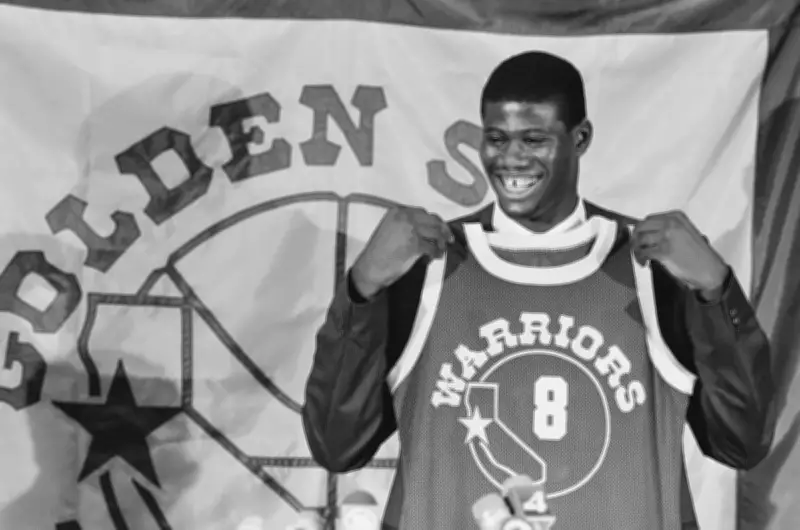
From NBA Prospect to Homelessness: Chris Washburn's Candid Confession
Chris Washburn, once a highly touted basketball star drafted by the Golden State Warriors with the No. 3 pick in the 1986 NBA draft, now reflects on a life derailed by addiction. In a new memoir, he shares his harrowing journey from the heights of professional sports to the depths of homelessness and back.
The Dream That Turned into a Nightmare
When the Warriors selected Washburn, a 6-foot-11 standout from NC State, it should have been the culmination of years of hard work. As a three-time high school All-American, he had the world at his fingertips. However, the move to Oakland, far from his Hickory, North Carolina roots, left him feeling isolated and alone.
"I put on a smile because they were paying me to be out there," Washburn recalls. "But I felt alone." Despite a promising preseason and a starting role alongside players like Sleepy Floyd and Chris Mullin, his focus quickly shifted away from basketball.
The Grip of the Cocaine Era
The NBA's so-called "cocaine era" of the 1980s is well-documented, but Washburn provides a personal perspective on its devastating impact. "Drugs took a toll," he admits. "My mind wasn't on basketball. A lot of times, I was on the bench watching the clock tick down because as soon as the fourth quarter was over, I could leave to go get high."
He contrasts the lack of support then with today's more interventionist approach. "Now, if a team sees a player fading, they'll step in. But back then, no one did. Cocaine, crack was new. They didn't know what to look for." Washburn played only parts of two seasons, appearing in just 72 regular-season games before being banned for drug use.
A Descent into Darkness
Washburn's addiction spiraled out of control after his NBA career ended. He lived on the streets, ate from trash cans, and stole to support his habit. "I only got high on days that ended in 'y'," he says with a hard-earned laugh. He spent time in prison and saw his marriage collapse, with his wife leaving for a quieter life in Dallas while he remained in Houston, consumed by drugs.
His first encounter with cocaine came in college with Len Bias, the talented player drafted just ahead of him by the Boston Celtics, who died of an overdose days later. Even that tragedy didn't deter Washburn. "I'm thinking this is what we're supposed to be doing at that level," he reflects on that fateful dorm room experience.
The Path to Redemption
Washburn's turning point came with the death of his father, leaving him to care for his ailing mother. "Although I'd stolen from her and my dad in the past, at this point it was all on me," he says. "If I was a person who still wanted to get high, we would have been homeless." This responsibility forced him to change after 14 failed rehab attempts.
Today, Washburn is married and living back in Hickory. He speaks to young people about addiction and has tried to reach out to current NBA players like Ja Morant, though without success so far. "I got caught with guns, too," he notes. "I want to talk to him. To say it's OK to make mistakes but just don't make the same mistakes over again."
Sharing His Story to Help Others
His memoir, Out Of Bounds, aims to inspire others facing similar struggles. "I knew there were other Chris Washburns out there," he explains. "Not just on the court but off the court. Now I'm seeing my message start to get out there."
Washburn's story is a stark reminder of the fragility of success and the power of second chances. From NBA stardom to homelessness and back, his journey underscores the importance of support, resilience, and the will to change.