
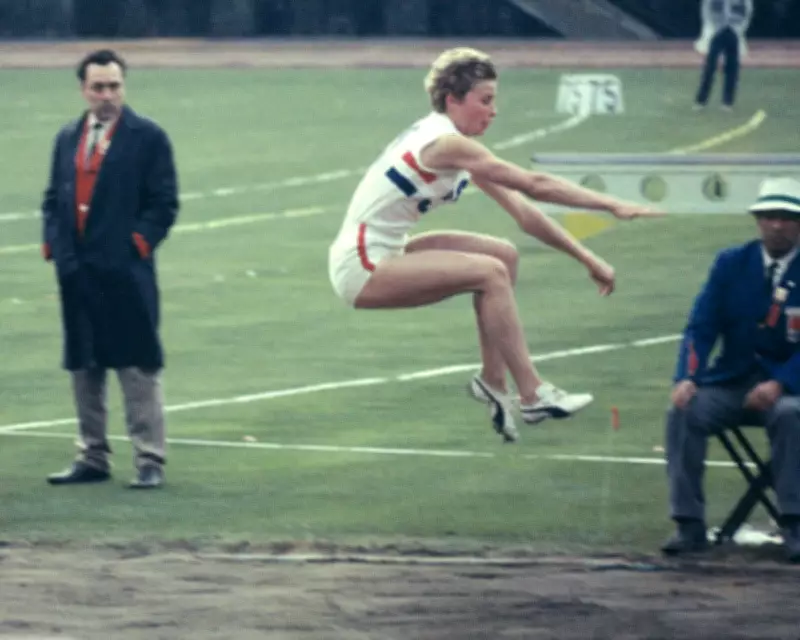
Mary Rand's Golden Leap Immortalized in Somerset Pavement
A gleaming brass strip embedded in the pavement outside Wells Cathedral in Somerset serves as a permanent tribute to Mary Rand's historic achievement at the 1964 Tokyo Olympics. Rand, who passed away at age 86, made history as the first British woman to win an Olympic athletics gold medal, setting a world record in the women's long jump final.
Nostalgic Memories of Olympic Glory
Readers have shared heartfelt recollections of Rand's legacy. One letter writer described being fascinated by the Tokyo Olympics coverage as a schoolboy and later discovering the brass marker during a family holiday. The strip precisely marks the distance of Rand's record-breaking jump, creating a tangible connection to her athletic prowess.
This physical memorial offers a unique way to honor Rand's contribution to British sports history, transforming an ordinary pavement into a site of national pride. The installation highlights how local communities can preserve Olympic heritage through creative public art.
Diverse Letters Spark Conversation
The Guardian's letters section also featured other engaging topics. One reader corrected a date in Alan Bennett's diaries, noting that August 8, 1952—referenced as Bennett's national service call-up—was actually a Friday, not a Thursday. Another humorously complained about the newspaper being too light for supermarket automatic tills, suggesting the inclusion of chocolate as a makeweight.
Additional letters included a playful debate about the term "lashings," asserting it applies only to ginger beer or custard, and praise for an article on government price controls as "a little beam of socialist sunshine" during politically challenging times.
Enduring Impact of Athletic Achievements
Mary Rand's story demonstrates how Olympic moments can resonate across decades, inspiring memorials that bridge generations. The Wells marker not only commemorates a specific athletic feat but also celebrates the broader cultural significance of Olympic participation.
These letters collectively showcase the Guardian's role in fostering dialogue about sports, history, and everyday observations, reminding readers of the power of shared memories and thoughtful correspondence.