IOC Announces Sweeping Ban on Transgender Athletes in Women's Olympic Events
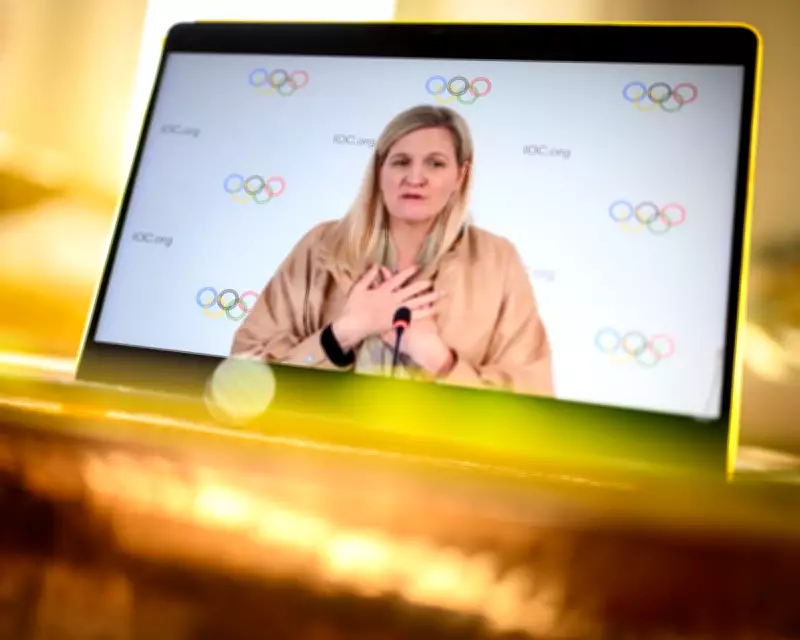
The International Olympic Committee has made a landmark decision to exclude transgender women and most athletes with differences of sex development from competing in women's Olympic sports. This controversial policy shift, announced by IOC president Kirsty Coventry at a London press briefing on March 26, 2026, represents a significant reversal from previous inclusivity-focused approaches.
The Science Behind the Decision
Central to the IOC's new policy is the recognition of inherent male physical advantages in athletic competition. According to comprehensive IOC documentation, males typically possess 10-12% performance advantages in running and swimming events, with advantages exceeding 20% in throwing and jumping disciplines. In explosive sports like boxing and weightlifting, this advantage can surpass 100%.
The IOC statement clarifies: "Males have larger and stronger skeletal muscle and bone, larger and stronger hearts, larger lung size, more red blood cells, and lower body fat than females trained to the equivalent level. Together these attributes afford males individual sex-based performance advantages in sports and events that rely on strength, power and/or endurance."
New Testing Requirements and Implementation
The IOC has established a new screening protocol requiring all athletes competing in the female category to undergo testing for the SRY gene. This single lifetime test, conducted via cheek swab, blood, or saliva sample, detects the presence of testes/testicles and serves as a biological marker for male development.
This screening approach represents a significant departure from previous policies that focused primarily on testosterone reduction requirements for transgender women and XY-DSD athletes. The IOC emphasizes that the new testing regime is less intrusive than regular doping controls while providing more objective criteria for eligibility determination.
Addressing Previous Controversies and Future Implications
The decision particularly affects high-profile athletes like South Africa's Caster Semenya, Kenya's Margaret Wambui, and Burundi's Francine Niyonsaba, who previously competed under different regulations. The IOC maintains that the SRY screening will apply universally to all athletes seeking to compete in women's events at the 2028 Olympics, regardless of geographical origin or appearance.
While the policy has drawn criticism from some activist groups, it has received widespread support from major sports organizations and female athletes. An IOC survey of 1,100 athletes revealed a "strong consensus" that fairness and safety in the female category require clear, science-based eligibility rules.
Balancing Inclusion with Competitive Integrity
The IOC stresses that transgender athletes and those with DSD must continue to be treated with respect and dignity. However, the organization now acknowledges that scientific evidence overwhelmingly demonstrates that male puberty confers lasting physical advantages that cannot be fully mitigated through hormone reduction therapies.
As the sporting world prepares for the 2028 Olympics, this decision marks a fundamental shift in how international sports bodies approach gender inclusion policies. The IOC has committed to implementing the new screening procedures with discretion and sensitivity while maintaining a duty of care for affected athletes whose competitive opportunities have been altered.