London's Damp Crisis: Expert Warns of Rising Health Risks in Social Housing
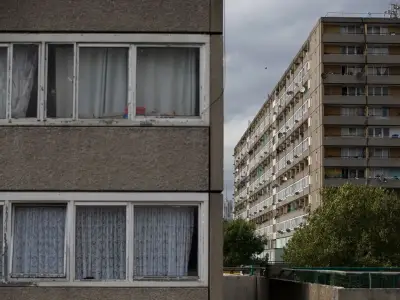
A damning new report has identified London as the United Kingdom's worst hotspot for damp in social housing, sparking fresh warnings from property experts who say urgent action is needed to prevent a growing repair and public health crisis. The comprehensive study by the Commons Housing, Communities and Local Government Committee reveals that social housing in the Capital suffers from the most severe damp problem nationwide, despite other regions experiencing much wetter weather conditions.
Scale of the Problem
The committee's findings indicate that efforts to improve housing standards across England have stalled significantly. According to the report, there are approximately 430,000 social homes throughout the country that fail to meet the basic definition of decent living conditions. This troubling statistic comes despite recent legislation that mandates landlords to investigate and rectify damp and mould problems within strict timeframes.
George Edwards, managing director of property care specialist Timberwise, emphasized the gravity of the situation. "This report truly illustrates the enormous scale of the mould and damp problem in homes," Edwards stated. "It found that the highest levels of damp were concentrated in London's social rented sector, which is particularly alarming given the potential health consequences."

Health Implications and Preventative Measures
The new regulatory measures were implemented following the tragic death of two-year-old Awaab Ishak, who succumbed to mould exposure in his home. Additional rules are being gradually introduced to address other housing hazards, including structural faults and extreme temperature issues. Edwards warned that failure to tackle damp problems promptly increases the risk of mould and fungus causing damage that becomes both difficult and expensive to repair over time.
"Whether you're a tenant or a homeowner, there are potentially deadly respiratory illnesses caused by spores released by mould and fungus," Edwards explained. "However, there are relatively simple preventative measures that can help identify risks early."
Five Critical Areas to Check
Edwards outlined five essential areas that landlords and homeowners should regularly inspect to ensure their properties remain safe from damp-related damage:
- Extractor Fan Functionality - "Trapped moisture within a home can create numerous issues. Ensure that extractor fans are adequately powerful and operate for at least twenty minutes after cooking and thirty minutes following showers."
- Structural Defects - "Regularly examine your roof, gutters, external walls, and window frames for potential water ingress. Look for slipped roof tiles, defective mortar in chimney stacks, render bridging the DPC, and blocked drainage gullies. These problems introduce moisture directly into building walls."
- Consistent Heating - "Maintaining a steady, modest background temperature throughout winter months can prevent many condensation issues. Cold rooms with poor air circulation often develop wet windows and mould growth."
- Ventilation Systems - "Check for poorly installed or completely blocked vents, as inadequate ventilation significantly contributes to condensation-based damp and the spread of dangerous black mould."
- Guttering Maintenance - "Overflowing, leaking, or improperly draining gutters can lead to penetrating damp that ruins brickwork and interior features like wallpaper and plasterboard."
Call for Improved Standards
The committee's report strongly recommends that councils and housing associations across London must improve their responsiveness to repair requests and handle complaints more effectively. Property experts emphasize that immediate preventative action can save landlords and homeowners from facing exorbitant repair bills in the future while protecting residents from serious health risks associated with prolonged mould exposure.
As London continues to grapple with this pervasive housing issue, the combination of regulatory enforcement and proactive property maintenance emerges as crucial for addressing both the structural and human costs of the capital's damp crisis.