Havering Council Greenlights Major Affordable Housing Initiative with 600 New Rental Homes
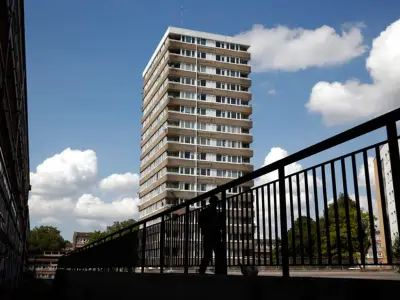
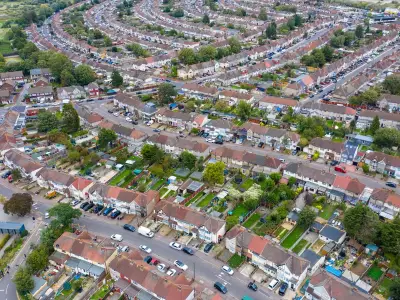
In a significant move to address the borough's escalating housing crisis, Havering Council has officially approved ambitious plans for the construction of up to 600 new 'affordable' rental homes. This comprehensive build-to-rent scheme is specifically designed to assist lower-income residents, families at risk of homelessness, individuals on the housing register, and essential key workers who require proximity to their workplaces.
Phased Development Over a Decade
The project will unfold in distinct phases, with the initial wave comprising between 71 and 100 homes scheduled for completion in the 2028/29 financial year. The remaining units will be constructed over an additional seven-year period, meaning the entire initiative will not be fully realized until approximately a decade from now. All homes will be leased at Local Housing Allowance rates, which are directly tied to the housing benefits recipients receive, ensuring rents remain genuinely affordable for vulnerable households.
Council Leadership Hails Transformative Impact
Councillor Natasha Summers, Havering's cabinet member for housing need, emphasized the critical importance of this development in a post-meeting statement. She highlighted that the partnership with Inspired Solutions aims to "break Havering's dependence on the expensive and unreliable nightly accommodation market."
"This represents a major step forward for families throughout Havering," Councillor Summers declared. "Far too many of our residents, particularly children, are enduring extended stays in hotel rooms or other unsuitable temporary accommodations. By securing hundreds of long-term, high-quality homes at affordable rents, we are not only protecting vulnerable households but also establishing much-needed stability for years to come."
Broader Financial and Planning Context
This housing approval occurs against a backdrop of significant financial pressures for the council. Just last week, Havering agreed to borrow up to £77 million from the government to address its budget deficit, with temporary housing costs and social care expenditures identified as the two primary strains on municipal finances.
During the same council meeting, members also voted to formally designate four parcels of land as village greens, recognizing their value for residents' social and physical well-being. However, a council report acknowledged a clear "tension" between preserving these green spaces and the urgent need for additional housing, noting that this designation will result in the sacrifice of 112 potential homes.
Parallel Investment in Children's Residential Care
In a related development, councillors accepted a £1.03 million grant from the Department for Education to convert two houses into specialized children's homes. The council will contribute £515,000, matching funding from the NHS, bringing the total project budget to £2.03 million. One home will accommodate two children, while the other will house four.
According to a separate council report, this initiative is designed to "reduce the need for children to be in-patients in mental health hospitals or placed in unsuitable services," thereby alleviating pressure on the overburdened social care sector and providing more appropriate, stable environments for vulnerable youth.