Legal Professionals Rally Against Proposed Jury Trial Cuts in London
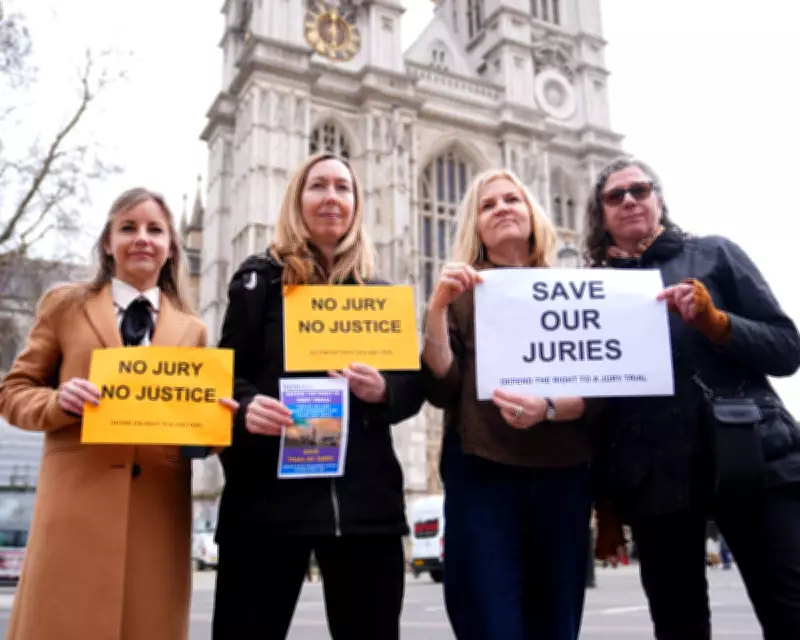
Solicitors and legal academics staged a demonstration outside Westminster Abbey in London last week, voicing strong opposition to the government's initiative to curtail rights to trial by jury. This protest highlights growing concerns within the legal community about the potential consequences of such reforms on justice and equality.
Impact on Minorities and Court Backlogs
The prime minister's spokesperson has emphasized that a combination of reform, investment, and efficiency is necessary to address the backlog in criminal courts and deliver faster, fairer justice for victims. However, critics argue that reducing jury trials will have a minimal effect on this backlog. Jury trials are not identified as a primary cause of the delays, and the proposed changes could disproportionately affect Black complainants, witnesses, and defendants.
The random selection of jurors from local communities ensures a greater likelihood that juries reflect the cultural heritage of individuals appearing in court. This diversity is crucial for maintaining trust in the justice system. In 2025, data showed only five circuit judges who identified as Black or Black British, underscoring the importance of jury representation.

Trust Deficit and Historical Context
Curtailing jury trials is expected to exacerbate what David Lammy described in 2017 as a "chronic trust deficit" towards the criminal justice system. This issue remains relevant today, as reforms could alienate minority communities and undermine public confidence. The demonstration outside Westminster Abbey serves as a reminder of the ongoing debate over balancing efficiency with fundamental rights.
Legal experts, including retired circuit judge Nic Madge from St Albans, Hertfordshire, stress that preserving jury trials is essential for a fair and inclusive judicial process. The protest signals a broader call for the government to reconsider its approach and prioritize solutions that do not compromise on equity or transparency.