A Harrow resident has been awarded £2,000 after an investigation found the council delayed providing help and gave her the wrong information when she was evicted from her home. She claims this meant she spent more than 18 months trying to avoid being made homeless and had no access to her possessions during this time as they had to be put in storage.
Harrow Council has been told to pay the resident - referred to as Mrs X - £150 for every month she and her family lived in “unsuitable accommodation”, on top of a further £200 for not contacting her for months at a time. It comes following an investigation by the Local Government Ombudsman (LGO).
Mrs X made a homeless application to Harrow Council in October 2023 after her landlord informed her that he was raising the rent and she could not afford the increased amount. The local authority said it contacted the landlord to negotiate a more manageable rent but was unsuccessful.

In December 2023, the council asked the landlord to give it time to look at Mrs X’s finances, after which it told her that the increased rent was not affordable and the property was too big for her family.
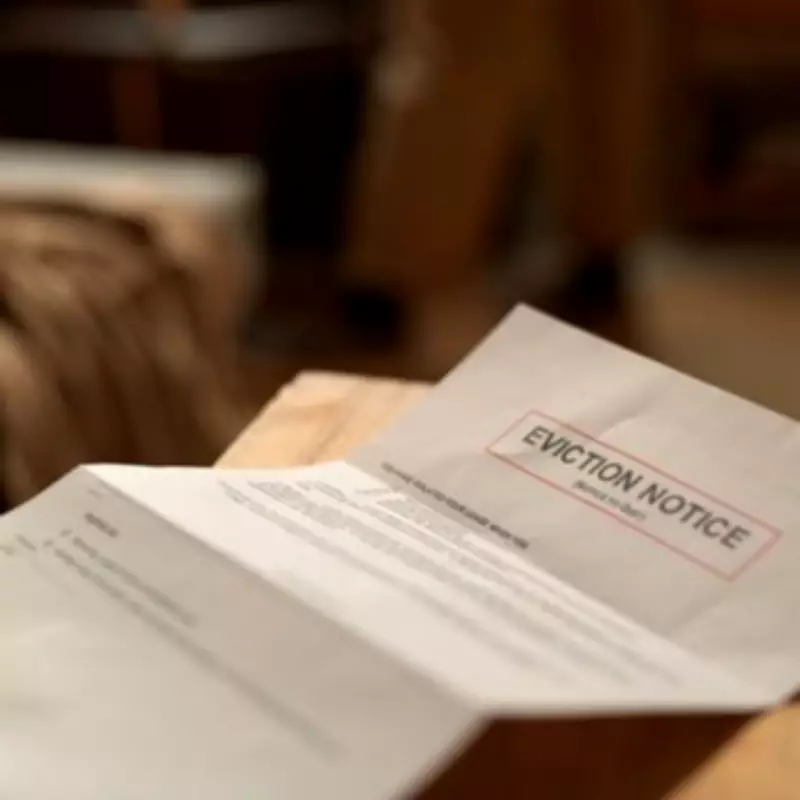
In March 2024, Mrs X’s landlord served her with a section 21 notice advising her that she must leave the property within two months. Her and her family were ultimately evicted on May 14, 2025, but the council did not pass the bailiffs warrant onto the appropriate team or find them suitable accommodation for nearly 16 months, according to the LGO report.
The council said it told Mrs X in July 2024 to continue looking for suitable properties but the Ombudsman found “no record” of it having any contact with the mum or taking any actions on her case between March and September of that year.
When the family were evicted the following year, the council placed them in emergency accommodation the next day and then subsequently secured interim accommodation. However, Mrs X’s son - referred to in the LGO report as Mr Y - complained to Harrow Council, saying it had not helped the family find accommodation after the landlord said they were increasing the rent.
He also said the council told Mrs X it would support her on the day of the eviction but that no-one was available to speak with her until nearer the end of the day, alleging that an officer then tried to delay providing support as they “had nearly finished work”, the report states. It wasn’t until after 6pm that another officer from a different team found the family a hotel room for the night.
The council responded to say that “due to an oversight” the officer who received the warrant did not tell the emergency accommodation team that Mrs X needed support. The local authority upheld the complaint and apologised for failing to negotiate a more manageable rent increase with the landlord and for giving Mrs X the wrong advice about waiting until the eviction before asking the council for support.
Mr Y was unhappy with the response and escalated it to stage 2, where the council accepted that it had no contact recorded with Mrs X between March 2024 and September 2024. It also said it should have recognised Mrs X as technically homeless, eligible for assistance, and in priority need on December 10, 2023 - when the landlord was seeking to increase the rent. The council added that, because it did not do so, Mrs X was living in unsuitable accommodation between December 2023 and May 2025.
The LGO found Harrow Council at fault for failing to prevent Mrs X's eviction and for not finding new accommodation within the recommended 56 days. At the end of the 56-day period, the local authority should have accepted relief duty but did not do so until nearly 16 months later, and the expiry of the section 21 notice resulted in Mrs X living in unsuitable accommodation for a year.
The council had accepted it owed relief duty from December 10, 2023, but, according to the LGO, it should have recognised its main housing duty by February 5, 2024, but did not do so until November 5, 2025 - a delay of 21 months.
For the faults, the council has been ordered to pay Mrs X a total of £2,000.
Harrow Council was approached for comment but did not respond ahead of publication.