Tower Hamlets Residents Protest New 19-Storey Block Over Daylight Loss
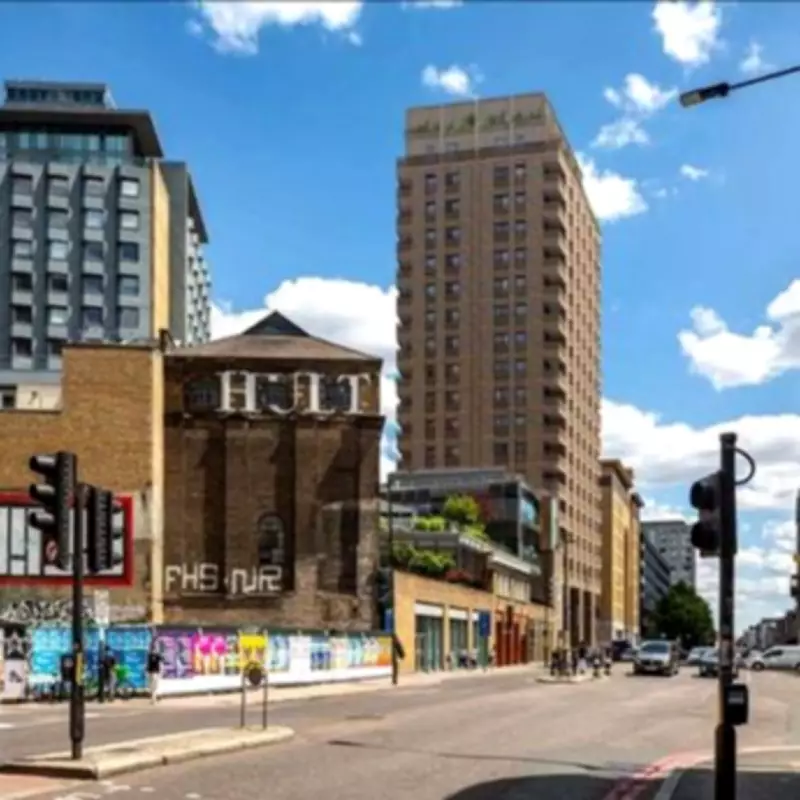
A newly-approved 19-storey tower in East London has sparked significant controversy, with residents warning that it will "block our daylight completely" if constructed. The development, located at 35A Commercial Road in Whitechapel, was approved by Tower Hamlets councillors at a strategic development committee meeting on Tuesday, March 3rd, 2026, despite strong objections from local homeowners.
Resident Concerns Over Darkness and Wellbeing
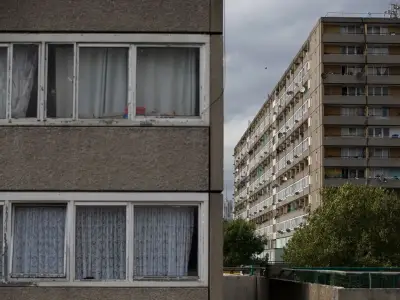
Eloise MacDougall, a resident of the eight-storey Dryden Building just ten metres opposite the proposed site, urged councillors to refuse planning permission. She argued that the tower would act as a wall outside her home, purchased with her life savings, and severely impact her family's daily life. "Our flat has four windows facing this site. They are the only windows in our home," MacDougall stated. "The developer's own report shows our windows would retain as little as 5%-9% of recommended sky visibility against a guideline of 27%. Even at just eight storeys high, we would lose daylight completely."
She emphasized that the light in her flat was a key reason for buying it, making it an ideal place to start a family. "Nineteen storeys would overwhelm our home, affect our daily lives, our wellbeing, and future plans to raise a child here," she added. While MacDougall expressed support for new homes in Tower Hamlets, she advocated for a moderate height building instead to mitigate these impacts.

Developer and Council Justifications for Approval
Representatives from property partnership Gamuda Yoo defended the 19-storey design, arguing it is necessary to include a mix of market and social housing, along with an indoor children's play area and community space. Niall Farmer of Gamuda Land explained, "Because we're in a high-density urban location with narrow distances between buildings, the challenge is always providing something of scale that is feasible to build and offers the right amount of affordable housing. There are some injuries, but the overall benefit of providing affordable homes far outweighs them."
Council planning officers recommended approval, acknowledging "major adverse" impacts on daylight and sunlight for the Dryden Building. However, they deemed this acceptable when balanced against the benefits, which include:
- 70 new homes, with 13 allocated for social rent.
- A ground-floor community space.
- An £80,000 contribution to improve nearby Rope Walk Gardens, compensating for the lack of outdoor play space.
Unanimous Council Vote in Favor of Social Housing
Councillors voted unanimously to approve the development, citing the critical need for social housing in the borough. Aspire Party committee member Ahmodur Khan highlighted the emotional impact of overcrowding, saying, "As a councillor, when we visit people living so overcrowded, it breaks our hearts. We have to see the benefit of new social housing."
Committee chair Amin Rahman, also from Aspire, recognized the concerns about height and neighbor impacts but emphasized the project's advantages. "The proposal delivers 70 new homes, including 13 social rented homes, all family-sized. That is a very significant benefit for Tower Hamlets," he stated. "The scheme also provides ground floor community space, financial contributions for local improvements, and public enhancement. That's why I support this application."
The decision underscores the ongoing tension between urban development and resident welfare in London's rapidly evolving landscape, as councils prioritize housing solutions amid growing demand.