Developer Seeks Major Changes to Approved City of London Office Scheme
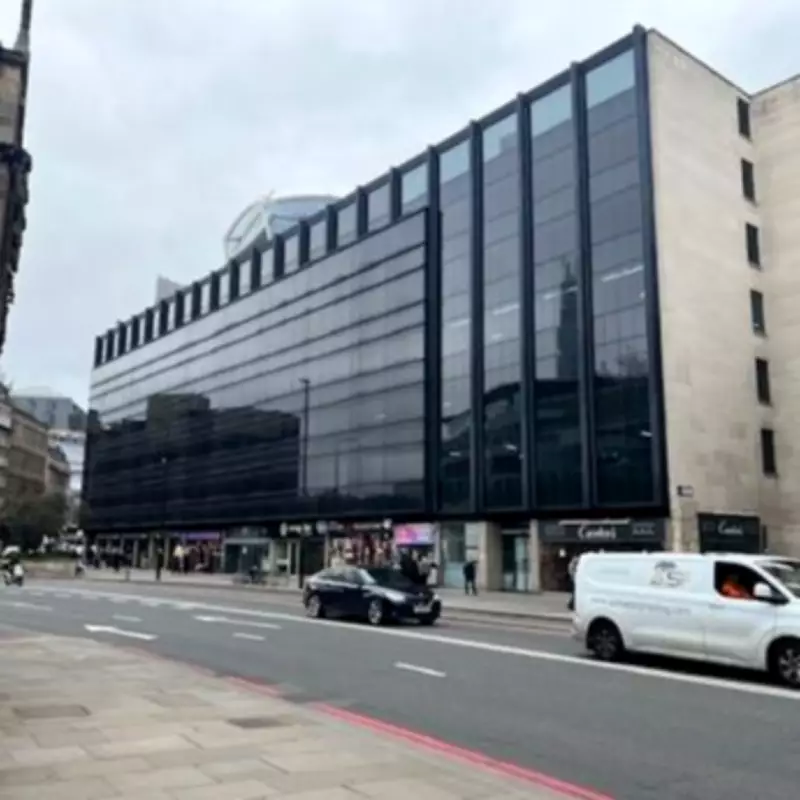
A developer granted approval for an ambitious 11-storey office block in the historic City of London has submitted a controversial application to remove promised cultural facilities and retail spaces from the project. The Mark Lane redevelopment, originally approved by the City of London Corporation in late 2023, was designed to transform the site near the Tower of London with Grade A office space complemented by ground-floor shops and a dedicated Heritage and Cultural Centre.
Proposed Amendments Remove Public-Facing Elements
Applicant PBBE Mark Lane, a joint venture between PineBridge Investments and Hobart Partners, has now requested significant modifications to the approved plans. According to documentation filed by consultancy DP9 on behalf of the developer, the requested changes follow extensive discussions with prospective office tenants who provided consistent feedback about the ground floor layout. The proposed revisions would expand the office reception area, relocate cycle access points, and completely eliminate the flexible retail, food, beverage, and public house units originally planned.
While the cultural centre would be removed under the new proposal, some public amenities would be reconfigured rather than eliminated entirely. A Tourist Touchdown space and café would be relocated to Mark Lane, access to a roof terrace would be improved, and a new pub would be installed facing Seething Lane. However, these adjustments represent a substantial reduction in the public-facing elements that were central to the original planning application.

Residents Express Disappointment Over Broken Promises
Local residents who initially supported the development have expressed significant disappointment with the proposed changes. Paul Pavlou, a Director at the Pepys Street RTM Company representing approximately 90 nearby flats, explained that residents were originally persuaded to support the scheme specifically because of the promised retail and heritage components. The development was presented as a project that would enhance the area with shops, restaurants, and a cultural centre reflecting the historic setting opposite the Tower of London and All Hallows by the Tower church.
Mr. Pavlou, who is also involved with the Tower Residents Group, emphasized that Byward Street has maintained a busy retail presence for over four decades. Removing the shops risks creating a long, inactive office frontage that would diminish the character of the street and the public realm. He noted that the latest amendments appear to remove those public-facing elements almost entirely, replacing them with a large office reception and a substantial pub on the quieter residential side street.
Planning Policy Questions Raised
The proposed changes raise important questions about whether the scheme still delivers the public benefits that were originally presented to residents and planning authorities. City of London planning policy has long emphasized the importance of maintaining active frontages and vibrant street environments, particularly in historically sensitive areas. The loss of the proposed heritage and cultural centre is especially disappointing given the site's location opposite the Tower of London and All Hallows by the Tower church.
At a recent Planning and Transportation Committee meeting, Deputy Marianne Fredericks raised concerns about the proposed amendments. Gwyn Richards, Planning and Development Director at the Corporation, indicated that if an application is altered significantly from what was originally considered by committee members, it would be brought back for proper scrutiny. This suggests the developer's requested changes may require additional review and consultation processes.

Broader Context of City Development
The controversy emerges against the backdrop of the Corporation's ambitious development targets outlined in the draft City Plan 2040. The plan identifies a goal of adding a minimum of 1.2 million square metres of office space over the next fourteen years. The appetite for quality office space in the Square Mile has been well-documented, with record-breaking rents as companies compete for premium locations. The Corporation is expected to adopt the City Plan later this year, potentially influencing how planning decisions balance commercial development with community benefits.
Residents argue that the proposed amendments represent significant changes to a scheme they were asked to support, and many believe these modifications deserve proper scrutiny and consultation. The developer's request to remove cultural and retail elements highlights ongoing tensions between commercial interests and community benefits in one of London's most historically significant districts.