Bexley Council and Energy Firm in Heated Planning Dispute
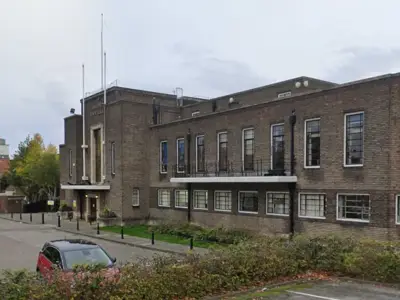
Bexley Council and Firstway Energy are embroiled in a bitter conflict over planning decisions for battery energy storage systems (BESS), with both sides exchanging sharp accusations. The energy company has labeled the council's refusal of one proposal as "politically motivated," while council leaders have condemned what they call an attempt to "bully" the authority.
Rejection of Sidcup Facility Sparks Controversy
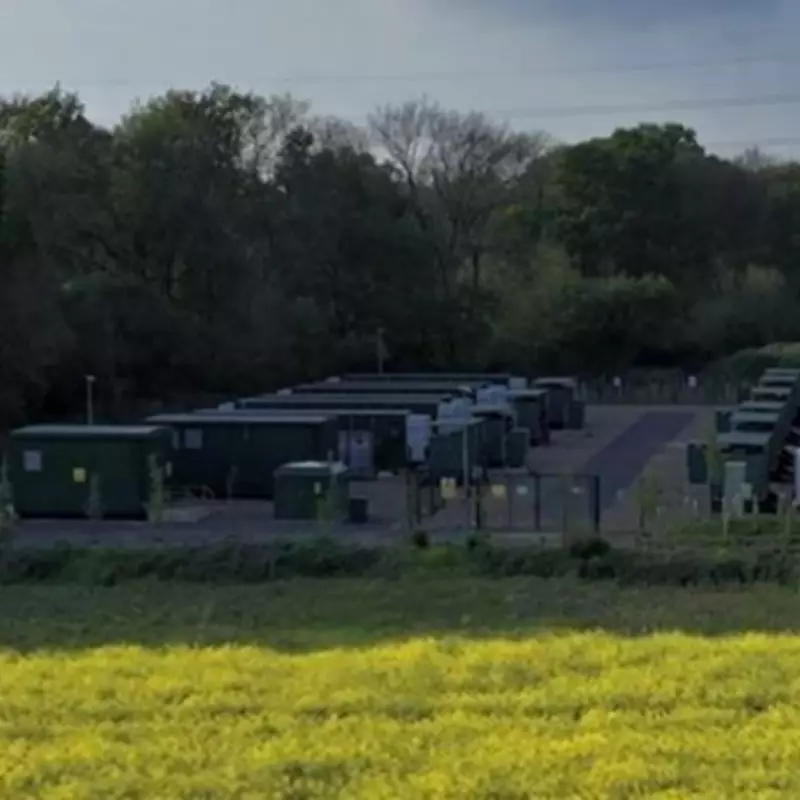
Firstway Energy's proposal to build a BESS on agricultural land east of North Cray Road in Sidcup was refused by Bexley Council in October. The council cited significant harm to the rural landscape and deemed it inappropriate development within the green belt. The facility, which would cover nearly 10 football pitches, aimed to store 200 megawatts of energy—enough to power approximately 647,590 homes.
Nathan Stevenson, Managing Director of Firstway Energy, asserted that the refusal was driven by "political considerations rather than planning policy" and announced an appeal to the Planning Inspector. He warned this would incur "great expense to the taxpayer" if overturned, with a deadline set for April 17.

Council Defends Decision Amid Accusations
Bexley Council Leader David Leaf defended the refusal, stating it was based on material planning considerations and policies, including over 600 public representations. "We will robustly defend this decision based on current planning policies should an appeal be made," he said. Leaf criticized Firstway's press statements as an "unacceptable" attempt to undermine the council's integrity.
Kurtis Christoforides, Chair of Bexley's Planning Committee, accused Firstway of trying to make a "quick buck" by capitalizing on recent government policy changes easing battery storage approvals. He questioned why no community benefit offer was made to residents, suggesting profit motives over public interest.
Delays and Allegations of Political Interference
Firstway has also submitted a similar BESS proposal for land between the A2 and Dartford Road in June, which remains undecided after six months past the council's internal target. Stevenson called the delay "unacceptable" and alleged political interference, linking it to anticipated council control changes after May elections. He emphasized that such delays contribute to soaring energy costs and hinder critical infrastructure amid energy insecurity.
Christoforides countered that the council is awaiting additional information from Firstway before making a decision, placing the "ball in his court." Stevenson disputed this, claiming they sought the council's in-principle view since November to avoid further resource commitment.
Broader Implications for Energy Infrastructure
Stevenson highlighted the national importance of BESS in supporting the UK's renewable energy transition, describing it as critical national infrastructure. He noted that Firstway has established community benefit funds elsewhere but received no response to meeting requests in Sidcup.
The dispute underscores tensions between local planning authorities and energy developers, balancing green belt protection with energy resilience needs. As appeals and decisions loom, the outcome may set precedents for similar projects across London and beyond.