Tolworth's Signal Park Expansion: 965 New Homes Approved in Major South London Development
Kingston Council has granted approval for a significant expansion of the Signal Park housing development in Tolworth, South London. The decision will see an additional 965 homes constructed, bringing the total number of units across the entire project to 1,176. This represents a substantial increase of 226 homes compared to the original masterplan approved in 2019, which envisioned 950 residences for the nearly 11-acre brownfield site.
Detailed Plans and Outline Permission
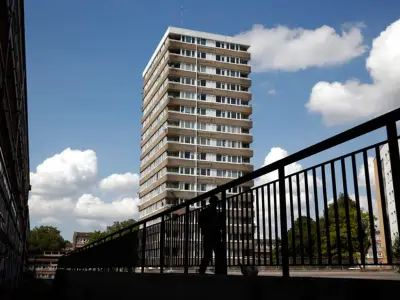
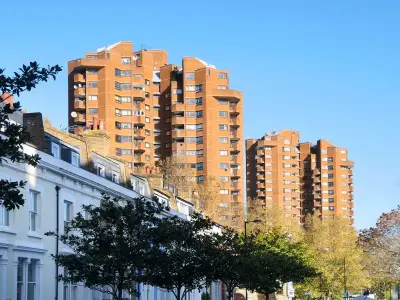
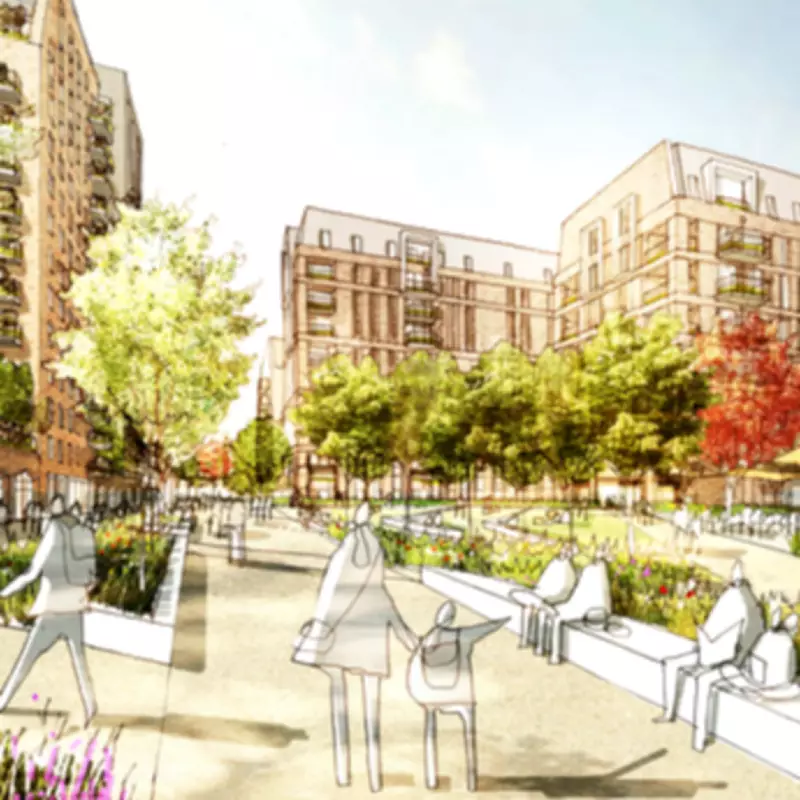
The council's planning committee, meeting on Wednesday, April 1, 2026, gave detailed consent for 336 homes to be built as part of phase two. These will be housed in four 16-storey apartment blocks, marking a notable vertical addition to the Tolworth skyline. In addition, outline permission was granted for up to 629 more homes, alongside a range of amenities including a gym, café, shop, and a community facility. New pedestrian, cycle, and vehicle routes are also planned to enhance connectivity within the development.
Overall, the scheme will deliver 415 affordable homes, accounting for 35 percent of the total by habitable room. This commitment to affordability builds on the success of phase one, completed in early 2024, which saw 211 affordable homes managed by The Guinness Partnership, one of the project's joint venture partners.
Addressing Community and Environmental Concerns
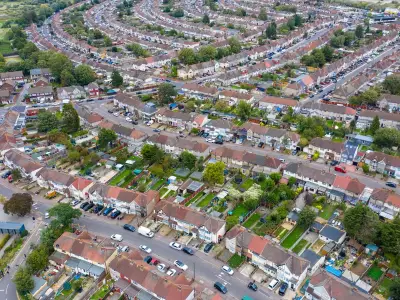
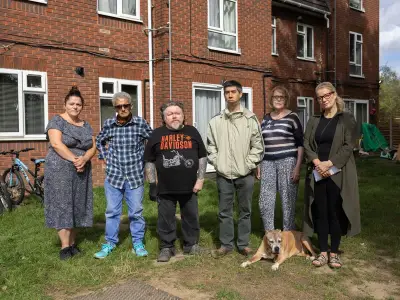
The approval process was not without controversy. During the committee meeting, several concerns were raised by residents and councillors alike. Bridget Walker, a local resident, voiced apprehensions about the density of the development, arguing that Tolworth lacks the necessary infrastructure to support such a large-scale project. She stated, "Densification meant for Central London will ruin Tolworth," highlighting fears that the 16-storey blocks exceed heights deemed acceptable under local policy.
Noise issues also came to the forefront. Consultant Gerard Manley, representing businesses at the neighbouring Tolworth Garage—a depot operating 24/7—warned that insufficient measures to protect future residents from operational noise could lead to complaints that might "have a significant impact upon our clients' businesses, if their activities were then constrained." In response, council officers presented a report indicating that legal experts had confirmed noise complaints were unlikely to be upheld, given the building designs aimed at mitigating sound levels.
Further concerns were raised by Lib Dem councillor Helen Grocott regarding parking provisions. With only 241 bays proposed, she noted that the first phase had already strained existing parking in the area. Conservative councillor Ian George echoed density worries, suggesting the scheme "verging on overdevelopment of the site" and more suited to Central London.
Conditions and Commitments
To address these issues, the committee attached specific conditions to the planning permission. These include requirements for some windows facing the depot to be fixed shut to reduce noise intrusion, and mandates that marketing materials clearly state the development is "car-lite" and adjacent to a 24/7 operational depot. These measures aim to balance development goals with community welfare and transparency.
Developer Perspectives and Future Outlook
The project is a collaboration between developer Countryside Partnerships and affordable housing provider The Guinness Partnership. Jamie Wilding, development director at Vistry Group, which owns Countryside, emphasized that the scheme has been "fully tested" and aligns with planning policies supporting high-density housing on accessible brownfield sites. He remarked, "Signal Park represents a major opportunity for Tolworth and for the borough as a whole. It will deliver a substantial number of new homes, including a significantly increased proportion of affordable housing."
Ben Cook, development director at The Guinness Partnership, added that the application improves upon the previous permission in terms of design quality, ecology, landscaping, sustainability, and affordable housing provision, ensuring it is both deliverable and beneficial to the community.
With this approval, Signal Park is set to transform into a well-designed, sustainable neighbourhood, completing a journey that began with its initial green light in 2019. The development underscores ongoing efforts to address housing shortages in South London while navigating the complexities of urban planning and community integration.