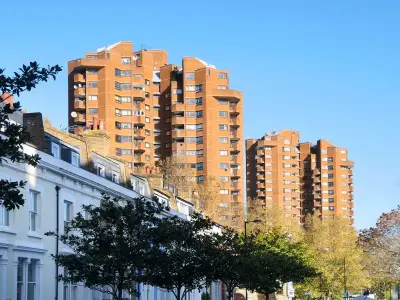
Epping, a town on the edge of London, offers a rare blend of tranquil woodland and quick access to the capital, with the Central line terminating right in its heart. But while many residents cherish its peaceful atmosphere and natural beauty, others worry that rapid development is eroding its character. According to Rightmove, the average house price in Epping is just under £620,000, reflecting its desirability as a commuter haven.
Residents Praise the Forest and Convenience
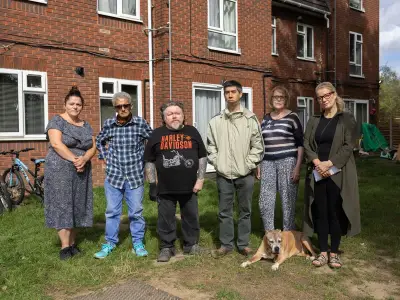
For many, Epping Forest is the town's crown jewel. Caroline Dunk, a local resident, told reporters, "I've got everything I need on my doorstep, especially a forest. I've just been for a two hour walk there, and I saw all the little deer, which just kicked off my day in the right way." Her sentiment is echoed by Alan Wheal, who has lived in Epping for over 20 years. He said, "The forest is amazing; I've got two dogs, so it makes a big difference. In Epping, you're close to London, but you could be 100 miles away in the forest, so it feels nice."
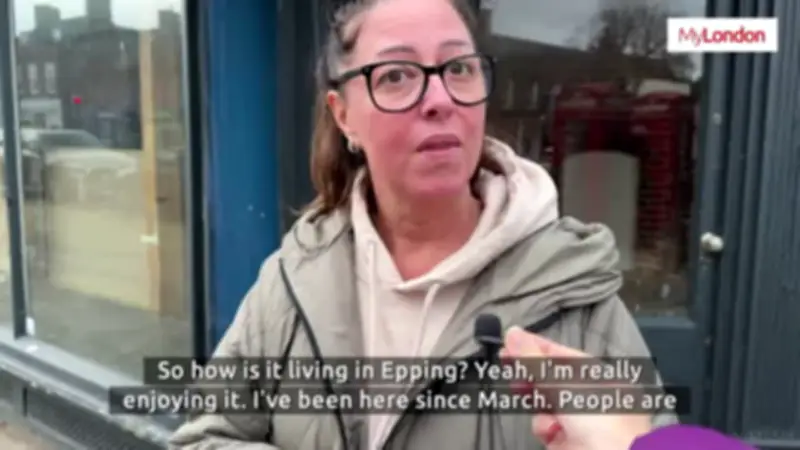
Alan, who previously worked in Holborn, highlighted the town's commuter appeal: "I love how safe and quiet it is here, but it's also so near to London. I worked in Central London and it was so convenient. Now, I work locally, which is just nicer." The high street, filled with independent cafés and shops, adds to the town's self-contained feel, with Christine Rad noting, "It's a very nice area; nice people, nice restaurants, pretty peaceful compared to London. I only go to London once a month because you literally have everything you need here in Epping, so it's entertaining here!"
A Town in Transition: Concerns Over Growth
David Farmer, a resident of more than 40 years, has witnessed significant changes. While he appreciates the transport links—including the Central line and easy access to Stansted Airport—he finds travel to other parts of the UK increasingly difficult. "I've got relatives down in the southwest of the country, and now it's very difficult to get around; sometimes it's 2.5 or 3 hours to even get onto the M3 or M4 motorway, so that's become quite a problem really," he said.
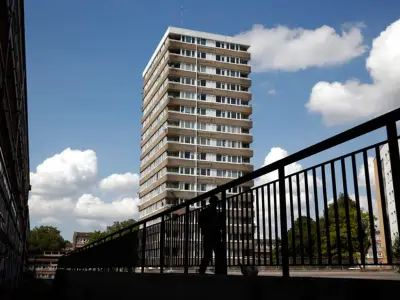
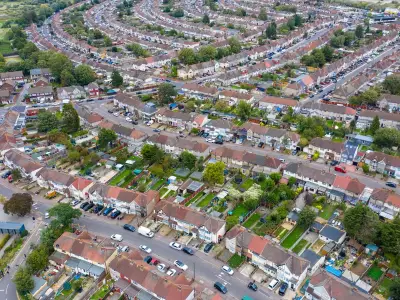
David also expressed reservations about the town's development: "It was a nice market town when I first came in my 20s. Now, I think there are too many buildings, too many people being pushed in here. It feels like it's just been taken into London, really." Vivienne Armstrong shares this concern, noting the loss of traditional shops: "We've lost a lot of shops; we've got too many nail bars. So mainly the shopping has changed, I think, for the worse." Despite this, she values the countryside on the doorstep: "But it still has a bit of a country feel to it, which is lovely because we've got the woods on top of us. It's great for walking in the summer and winter, especially if you've got animals."
Balancing Urban and Rural Life
Despite the criticisms, many residents believe Epping's unique position is its greatest strength. Neil Lawson, out walking his dog, said, "It's a very nice market town. Within 10 minutes, you can be out there and have a walk in the forest, which is great." The balance between urban convenience and rural escape is a recurring theme, with the forest providing a natural retreat that feels worlds away from the capital.
Epping's desirability, however, comes at a price. With average house values hovering near £620,000, the town is firmly in the upper echelons of commuter belt pricing. For those willing to pay, the rewards are clear: a safe, quiet environment with excellent links to Central London, and a forest that offers a daily dose of nature. Yet, as the town continues to evolve, residents are left wondering whether its character can survive the pressures of growth.