Mortgage Market in Turmoil as Rates Spike Amid Middle East Conflict
The UK mortgage market has been plunged into chaos as average rates have surged past 5.5 percent, driven by severe volatility stemming from the ongoing war in Iran. Financial experts describe the situation as "mortgage mayhem," with lenders rapidly withdrawing deals and homeowners facing significantly higher borrowing costs in the short term.
Sharp Increases in Fixed-Rate Mortgages
According to the latest data from financial information platform Moneyfacts, the average five-year fixed mortgage deal for homeowners has jumped to 5.54 percent this morning. This marks a substantial increase from 4.95 percent at the beginning of March and represents the highest level for five-year fixed rates since September 2024.
Meanwhile, the average two-year fixed mortgage has leapfrogged its five-year counterpart, spiking to 5.56 percent this morning. This is up from 4.83 percent at the start of the month, highlighting the intense pressure on shorter-term borrowing costs.

Market Volatility and Lender Response
Rachel Springall, a finance expert at Moneyfacts, commented on the unusual situation. "There is hope this will be a temporary blip until the markets settle down, but it depends how long volatility prolongs," she said. "This is unusual, however, it's all down to how the markets foresee interest rate setting, with many expecting higher rates over the shorter-term."
Lenders use swap rates, which reflect market expectations of future central bank base rates, to price mortgages. Over the past month, expectations for interest rate cuts have drastically changed as economists across the City revised their forecasts following the outbreak of conflict in the Middle East.
Bank of England Decision and Market Jitters
The Bank of England voted unanimously to hold interest rates at 3.75 percent this month, a move that left the door open to further changes in either direction. The mortgage market has responded with significant jitters, with lenders pulling around a fifth of available deals since the war began.
Amidst the market chaos, nearly 500 homeowner mortgages have disappeared from the market in mere days. This marks the fastest rate of withdrawal since the Liz Truss mini-budget crisis in 2022, underscoring the severity of the current situation.
Industry Experts Warn of Continued Pressure
"The unrest in the Middle East is causing concerns over the path of interest rate setting, with inflation expected to spike in the months ahead," Springall explained. "If deals come back within the coming days, they will likely be at inflated rates to catch up with the current state of play. After all, a volatile mortgage market tends to be a more expensive one."
She added that mortgage brokers were "rushed off their feet trying to keep on top of the mortgage mayhem," indicating widespread disruption across the industry.
Major Lenders Increase Rates
Nationwide and Halifax kicked off the week by driving up their mortgage rates. Britain's biggest building society, Nationwide, hiked its mortgage fixed and tracker rates by 0.3 percent, while Halifax imposed increases on all fixed-rate products across purchase, remortgage, and product transfer ranges.
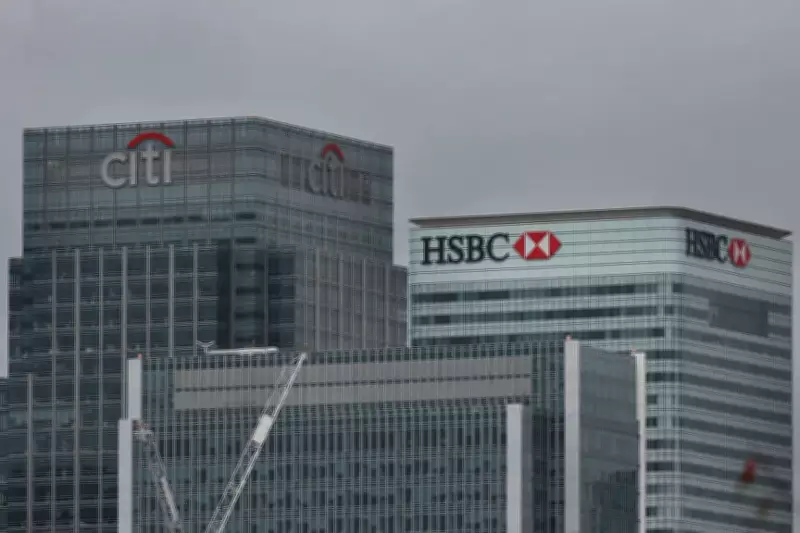
These moves follow similar actions by other major lenders, including Barclays, HSBC UK, and several building societies such as Coventry Building Society, Yorkshire Building Society, and Nottingham Building Society. All have raised rates in response to the heightened market volatility caused by the Iran conflict.
The combination of geopolitical tension and shifting interest rate expectations has created a perfect storm in the UK mortgage market, leaving borrowers facing higher costs and reduced options in an increasingly uncertain economic landscape.