Mortgage Lenders Hike Rates Amid Middle East Crisis, Ending Rate Cut Hopes
Major mortgage lenders across the United Kingdom have begun raising their interest rates, with more financial institutions expected to follow suit, as market conditions turn volatile due to the escalating crisis in the Middle East. This development dashes earlier expectations of declining borrowing costs and represents a significant shift in the housing finance landscape.
Leading Lenders Announce Rate Increases
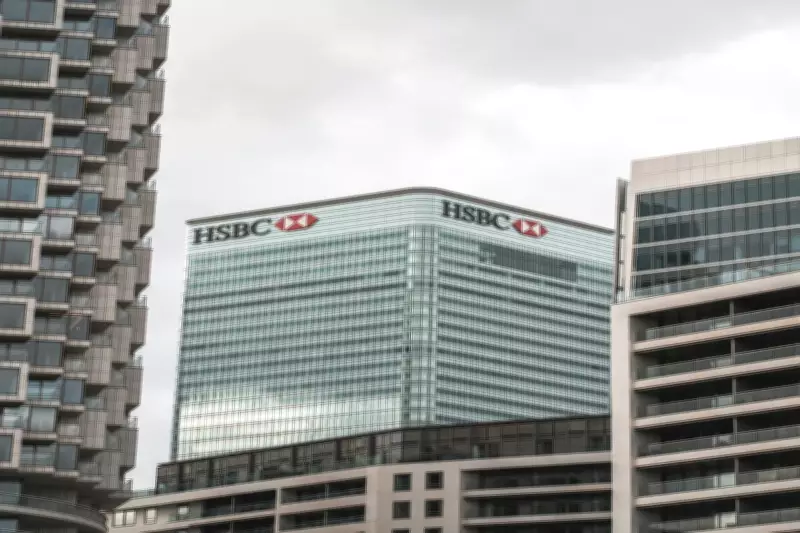
HSBC UK has confirmed it will increase mortgage rates for multiple customer segments, including first-time buyers, home movers, and those seeking remortgage options. Simultaneously, Nationwide, the UK's largest building society, announced it would implement a 0.25 percentage point rate hike starting Friday. Coventry Building Society has also indicated plans to raise its rates beginning Monday, creating a wave of adjustments across the lending sector.
These changes come directly in response to a sharp increase in swap rates, which serve as fundamental benchmarks for pricing fixed-rate mortgage products. Swap rates reflect market expectations for future interest rates over standard terms of two, five, or ten years, making them critical indicators for mortgage pricing strategies.

Inflation Concerns and Economic Forecasts
The recent volatility in global energy markets has prompted analysts to revise their inflation projections upward. This anticipated inflationary pressure has substantially diminished hopes that the Bank of England would accelerate its interest rate cutting cycle later this year. According to forecasts from the National Institute for Economic and Social Research (NIESR), a temporary surge in oil prices to $100 per barrel could add approximately 0.3 percentage points to inflation rates. A more prolonged price shock lasting one year could potentially increase inflation by 0.7 percentage points, creating sustained economic pressure.
Justin Moy, managing director at EHF Mortgages, characterized the emerging rate increases as inevitable given market conditions. "And so it begins. After the quite sizeable swap rate increases earlier in the week, rate hikes were always on the cards and now they're starting to be announced," Moy stated, highlighting the direct connection between swap rate movements and lender pricing decisions.
Market Data Reveals Immediate Impact
Current market data illustrates the immediate effects of these developments. On Thursday, the average two-year fixed-rate homeowner mortgage rate increased to 4.83 percent, up from 4.82 percent the previous day. Similarly, the five-year fixed-rate mortgage average rose to 4.95 percent from 4.94 percent, demonstrating incremental but consistent upward movement.
Borrowing and savings specialists at Moneyfacts reported earlier this week that "several lenders have pushed pause on planned rate cuts," effectively ending hopes for millions of consumers actively seeking more affordable loan options. This reversal represents a dramatic shift from just weeks ago when markets priced the probability of a Bank of England rate cut at approximately 80 percent before the Middle East conflict escalated. Since then, those chances have plummeted to below 20 percent, reflecting dramatically changed expectations.
Broader Financial Market Implications
The uncertainty permeating financial markets has maintained elevated borrowing costs for the UK government. The 10-year yield on UK government bonds, a crucial benchmark for sovereign borrowing expenses, has reached levels well exceeding 4.6 percent, indicating sustained pressure on public finances alongside consumer lending.
Dariusz Karpowicz, director at Albion Financial Advice, contextualized the sudden shift: "For weeks, the direction felt obvious: rates were falling, a Bank of England cut looked nailed on and everyone got comfortable. Then geopolitical risk reminded us that comfort is temporary. Coventry and HSBC repricing is likely the first domino, not the last. The real question is whether this is a blip or a shift."

This sentiment underscores the central uncertainty facing both lenders and borrowers: whether current rate increases represent a temporary market adjustment or the beginning of a more sustained period of higher borrowing costs. As Middle East tensions continue to influence global energy markets and inflation expectations, UK mortgage rates appear poised for further volatility in the coming weeks.