US Tenants Strike Against Landlords Over Rent Hikes Amid ICE Crackdowns
In a bold move against soaring housing costs, tenants across the United States are increasingly turning to rent strikes, a historic tactic revived in response to all-time high rent increases and growing corporate investment in rental properties. This movement has gained momentum in cities like Minneapolis, where activists are also addressing an eviction crisis exacerbated by federal immigration crackdowns.
Rent Strikes Gain Traction Nationwide
Rent strikes have become more common in recent years, with tenants in Los Angeles, Chicago, and other cities withholding payments to secure affordable rents and better living conditions. For example, tenants in Los Angeles' Chinatown locked in affordable rents in 2025 after a five-year strike, while a Chicago union has been on strike since November after facing rent hikes of up to 60%. These actions are part of a broader national coalition, the Tenant Union Federation (TUF), formed in 2024 to coordinate strikes and amplify renters' economic and political power, especially in states with weak tenant protections.
Brandon M Weiss, a law professor at American University, notes that while rent strikes date back nearly two centuries in the US, they have seen renewed attention since the pandemic. "Beyond the sheer number of campaigns, the nature of these actions has evolved from building-specific demands for repairs into highly coordinated, multi-state efforts targeting entire corporate portfolios," Weiss explained. This shift is driven by a nearly 20% national increase in rents since 2021, fueling widespread tenant discontent.

Minneapolis Activists Respond to ICE Crackdowns
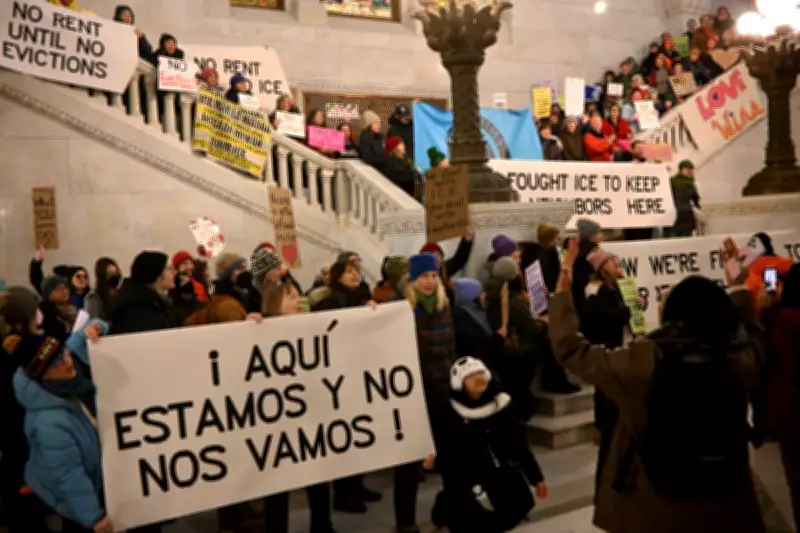
In Minneapolis, the rent strike movement took on an urgent dimension in early 2026 when federal immigration agents arrived in the city as part of a mass crackdown. Many immigrants and residents of color, fearing agent encounters, stopped leaving their homes, even for work, leading to missed paychecks and a looming eviction crisis. Nadia Langley, a 24-year-old organizer, described how this situation sparked a rapid response network among tenants. "We were thinking, where do we fit into this? How do you organize your building and connect with neighbors to respond?" she said.
Langley and other renters, backed by labor unions, formed Twin Cities Tenants and proposed a rent strike for March 2026 to force policy safeguards for those endangered by the immigration operation. Although they aimed for 10,000 participants to create an estimated $15 million in economic disruption—potentially the largest rent strike in a century—organizers fell short of their goal. Yusra Murad, an organizer with Inquilinxs Unidxs por Justicia, emphasized the stakes: "Home is one of the last places of safety for families being targeted." Despite the setback, the effort highlighted the growing awareness among tenants of their collective power.
Historical Context and Future Strategies
Rent strikes have a rich history in the US, from tenant farmers organizing in 1839 to waves in the early 1900s, the Great Depression, and the 1960s, which led to the country's first rent-control laws. Today, organizers like Tara Raghuveer of TUF focus on strategic preparation, such as educating tenants on their rights and creating escrow accounts for withheld rent. "Tenants' ultimate power is our rent, but that only matters if we're organized, and if we know how to exercise that power," Raghuveer stated.
In Minneapolis, despite the veto of a proposal to extend eviction notice policies and the offer of only $1 million in rental assistance, Langley remains optimistic. She believes that future strikes will require more building-by-building organizing but sees the recent efforts as a crucial step. "Now people have the language of rent strike. They're able to recognize that they do have this incredible power in their rent check," she said. As tenant unions continue to grow and coordinate, rent strikes are poised to remain a key tool in the fight for housing justice across the nation.