The United States Senate has passed a comprehensive bipartisan bill aimed at enhancing housing accessibility and affordability across the nation. This legislative effort, which garnered overwhelming support with an 89-10 vote, represents a rare moment of cross-party cooperation in Congress to tackle a pressing national housing crisis.
Bipartisan Leadership Drives Bill Forward
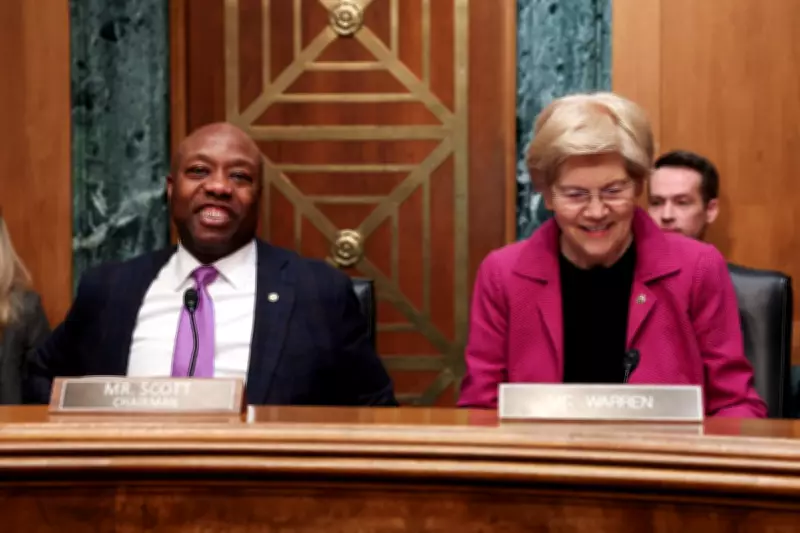
Republican Senator Tim Scott from South Carolina and Democratic Senator Elizabeth Warren from Massachusetts spearheaded the initiative, working collaboratively to secure broad backing from both political parties. Senator Warren emphasized the urgency of the housing shortage, stating, "We need more housing of every kind. More housing for first-time homebuyers, more housing for renters, more housing for seniors, more housing for people with disabilities, more rural housing, more urban housing, more, more and more." She added that the legislation "will help drive down prices."
Senator Scott highlighted the significance of the bill, noting that the Senate could "do what so many people failed to do in this legislative body for the last few decades, and that is pass consequential legislation that makes it easier to become a homeowner."

Key Provisions of the Housing Bill
The bill includes several measures designed to address housing challenges. It reduces regulatory burdens, regulates corporate investors in the housing market, and expands the use of housing dollars to construct affordable homes and rental properties. Additionally, it grants local governments greater authority over housing issues, allows banks to increase investments in affordable housing, and removes limits on private financing for public housing developments through Section 8 funding.
Peter Carroll of Cotality, a housing data tracking company, commented, "You've got many provisions in this bill that stop treating the US like one single housing market and start giving local leaders the tools they need to fix their unique regional puzzle."
Streamlining Construction and Addressing Homelessness
To facilitate home-building, the bill streamlines environmental reviews and inspections. It also eliminates a cap on grants for emergency shelter beds and street homelessness outreach. Furthermore, it lifts requirements for manufactured and modular homes, making them easier to build and design, which is crucial as developers increasingly rely on these options to address housing needs.
Uncertain Future Amid Political Hurdles
Despite the strong bipartisan support in the Senate, the bill's path forward is fraught with uncertainty. The legislation now returns to the House of Representatives, which passed a similar version earlier this year. However, House leaders have indicated they may not accept the Senate bill outright, potentially leading to lengthy conference negotiations to reconcile differences between the chambers.
Senate Majority Leader John Thune suggested that conference talks are a possibility but noted, "the quickest way to do this would be to pick up the Senate bill and pass it." He added that if the White House desires swift action, "they'll probably have to make that argument to House leadership."
Trump's Legislative Demand Creates Stalemate
Complicating matters, former President Donald Trump has threatened to stall all legislation unless Congress passes a voter-ID law requiring proof of citizenship and ending most mail-in balloting. While Trump has expressed support for the housing bill during bipartisan negotiations, his recent declaration has slowed its momentum. The Senate is expected to consider the voter-ID bill next week, but it faces opposition from all Democrats, making passage unlikely.
Contested Provisions and Market Context
One of the more contentious aspects of the housing bill is a provision barring institutional investors from purchasing single-family homes, a priority for Trump. The bill defines such investors as those owning 350 or more homes, with exemptions for properties bought before the law's enactment. Investors would still be allowed to buy or build single-family homes for rental but must sell them to individual buyers after seven years, offering price concessions and giving tenants a 30-day "first-look" period.

This legislation comes against the backdrop of a sluggish US housing market. Since 2022, mortgage rates have risen from pandemic lows, and sales of previously occupied homes have hovered near a 4 million annual pace, below the historical norm of 5.2 million. A sharp increase in home prices and a chronic shortage of housing have priced many aspiring homeowners out of the market. Meanwhile, median rents, though declining for over two years, remain 15.2% higher than in early 2020.
Criticism and Broader Implications
Housing advocacy groups have expressed that the bill could be more ambitious. Yonah Freemark, a researcher at the Urban Institute, noted, "This legislation is the product of essentially senators and House members wanting to come up with something that could pass with both Democratic and Republican votes, which means it's inherently less ambitious."
With midterm elections approaching in November, lawmakers face mounting pressure to demonstrate progress on making home ownership and rental costs more affordable. The bipartisan housing bill represents a step in that direction, but its ultimate impact hinges on navigating political challenges in the House and addressing Trump's demands.