Seattle Co-op Redefines Homeownership with Affordable Communal Living
As the United States grapples with a severe housing crisis, a pioneering development in Seattle, Washington, is demonstrating how communal living can make homeownership accessible while building strong community bonds. The Corvidae Co-op, located in the Beacon Hill neighborhood, offers a stark contrast to the city's skyrocketing real estate prices, where the median single-family home now exceeds $800,000.
Innovative Design and Funding Model
Designed by Allied8 and utilizing a co-op funding model created by Frolic Community, this development was constructed on two recently up-zoned lots. By leveraging affordable housing subsidies and new density zoning, developers built 10 units that vary in price and size, making homeownership feasible for a diverse range of residents. For instance, one 160-square-foot studio, affectionately called "the treehouse" for its lush views, sold for $180,000, while a two-bedroom apartment cost $620,000—both significantly below Seattle's competitive market rates.
Shared Spaces and Community Activities
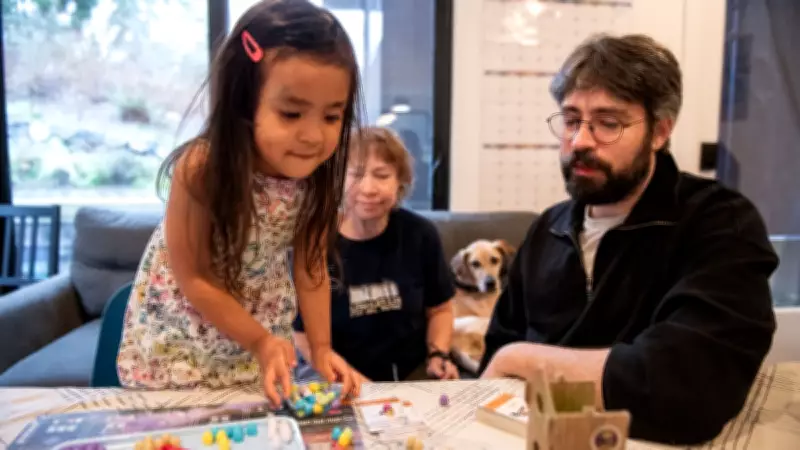
Residents of the co-op, numbering 18 individuals aged from three to 80, share outdoor decks, large group kitchens, laundry facilities, and a guest unit for visitors. This setup fosters a sense of "circumstantial family," as described by one resident. Regular activities include communal brunches, movie nights where children introduce adults to new entertainment like KPop Demon Hunters, and mahjong lessons, all enhancing social connections.
Personal Stories of Connection and Savings
Jon Starkes, a middle school teacher, highlighted the emotional benefits, noting, "My wife and I don't have our own kids, and our parents don't live on this side of the country. And yet, there are people at the co-op who feel like they play both of those roles for us." Elizabeth Simkin, a retired cello professor, returned to Seattle after nearly 27 years on the east coast, moving into the co-op to be near her children and finding it an "alternative to some of the pitfalls of modern life." Jeanie Chunn, who works in hospitality, appreciated the balance, saying, "It's really nice to have people around all of the time, and it's large enough where people go back to their own spaces if they are feeling socially drained."
Collaborative Governance and Sustainability
Residents meet regularly to discuss co-op policy, tend to a garden where they recently planted a peach tree, and plan rotating communal meals. Sharing food and lending tools and household goods have helped cut down on expenses, making daily life more affordable. This collaborative approach not only reduces costs but also promotes a sustainable and interconnected lifestyle.
In summary, the Corvidae Co-op exemplifies how innovative housing solutions can address affordability challenges while nurturing community spirit, offering a viable model for other cities facing similar crises.