Richmond Council Condemns Westminster's 'Disturbing Disregard' in Garden Court Eviction Scandal
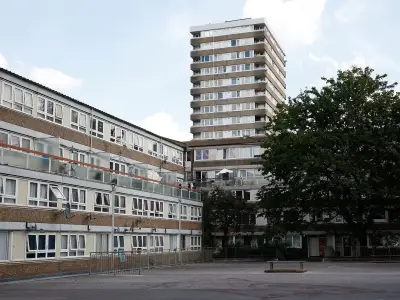
Westminster City Council faces severe criticism from its Richmond counterpart over the controversial purchase of a housing block that has resulted in mass eviction notices being served to vulnerable residents, including elderly and disabled individuals. The Labour-run Westminster authority is acquiring Garden Court, located opposite Kew Gardens, for £16 million to use as temporary accommodation, despite the property currently housing more than 30 households.
'Simply Wrong' Treatment of Long-Term Residents
Councillor Gareth Roberts, Leader of Richmond Council, delivered a scathing assessment of the situation, stating unequivocally that "what is happening at Garden Court is simply wrong." He emphasized that regardless of how the transaction is presented, the outcome remains devastating for residents who have built their lives in the community.
"These are not empty units," Roberts declared. "They are people's homes – homes people have invested in emotionally, socially, and financially for many years. To force individuals in their 70s and 80s to uproot their lives at short notice, in order to facilitate a transaction, shows a disturbing disregard for residents' wellbeing."

Eviction Notices Issued Despite Impending Ban
The controversy centers around Section 21 'no-fault' eviction notices served by landlord Dorrington to private tenants at Garden Court while the sale to Westminster City Council is finalized. These notices are particularly contentious as they will become illegal on May 1, 2026, under the Labour Government's Renters' Rights Act, which abolishes such eviction methods.
Richmond Council expressed "deep alarm" upon learning that residents had received these soon-to-be-abolished notices, with many facing displacement despite having lived in the building for extended periods. The council has accused Westminster of treating residents as "an afterthought" in the property transaction.
Westminster's Response and Limited Concessions
Westminster City Council has apologized for "any upset caused" and made offers to two elderly residents to remain at Garden Court after the building comes under its ownership. However, this limited concession has done little to assuage Richmond Council's concerns about the broader impact on the community.
A Westminster spokesperson defended the acquisition, stating: "I can confirm that Westminster City Council is in the process of acquiring Garden Court for use as temporary accommodation. This is in line with our policy of sourcing accommodation across London to house people on our waiting lists."
The council maintains that the sale was negotiated on the basis that the property was vacant and that Dorrington bears responsibility for issuing the eviction notices.
Commercial Decisions Versus Basic Humanity
Councillor Roberts drew a clear distinction between commercial property decisions and ethical responsibility toward residents. "We recognise that private landlords may make commercial decisions," he acknowledged. "But commercial decisions must never come at the expense of basic humanity."
Richmond Council is now demanding urgent, senior-level discussions with Westminster City Council to fully understand the circumstances that led to residents being placed in this precarious position. The council seeks clarification on what steps will be taken to ensure proper support for those affected.
Determined Advocacy for Borough Residents
Roberts emphasized Richmond Council's unwavering commitment to protecting its residents, stating: "Our priority is, and will always remain, the people who live in our borough. We are determined to do everything within our power to stand up for Garden Court residents and to challenge any process that treats long-term tenants as an afterthought."
He concluded with a powerful principle that should guide housing policy: "No housing deal – whatever its purpose – should ever begin with the displacement of an entire community."

Landlord's Perspective and Resident Support
Dorrington, the current landlord, explained their position through a spokesperson: "We continually review our portfolio and as a result have agreed to sell Garden Court to Westminster City Council. We were able to give residents notice in February 2025 of our intention to sell Garden Court and the majority have already found new homes in the year since then."
The company claims to be providing "support and flexibility" to residents who have found relocation challenging and notes that tenants with protections through their agreements will have the opportunity to remain at Garden Court under its new ownership.
Despite these assurances, the situation highlights ongoing tensions in London's housing market, where property transactions frequently conflict with community stability and resident welfare. The Garden Court controversy serves as a stark reminder of the human cost often associated with large-scale housing deals, particularly when vulnerable populations are involved.