Rents Soar to Historic Highs Amid Housing Supply Crisis
Rents in the UK have surged to their highest-ever level relative to earnings, with tenants now paying 36.1% of their average income towards housing costs as of March 2025. This alarming milestone, highlighted in the latest annual review by the Chartered Institute of Housing, underscores a deepening affordability crisis fueled by a critical shortage of affordable social homes.
Supply Shortages and Rising Demand
The UK currently faces a deficit of approximately 1.6 million affordable social homes compared to 1981 levels, intensifying competition for private rentals. Demand for private tenancies spiked during the COVID-19 pandemic and has remained elevated due to inflationary pressures and higher interest rates, which have made homeownership increasingly unattainable for many.
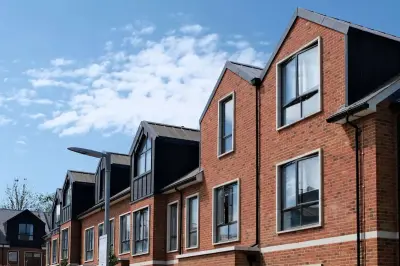
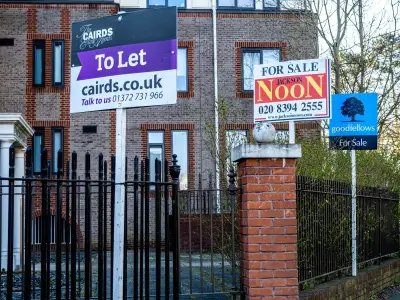
Simultaneously, the supply of new rental properties has dwindled. Factors such as elevated mortgage rates and recent tax adjustments for landlords, including hikes in capital gains and income taxes, have prompted numerous smaller landlords to exit the market. The Royal Institution of Chartered Surveyors (RICS) reports that tenant demand continues to outpace available rental listings, with a notably "subdued" influx of new properties.

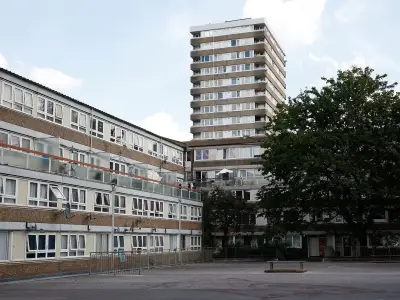
Impact of Right to Buy Policy
The long-term effects of the Right to Buy policy have significantly contributed to the housing shortfall. Since 1981, 2.8 million homes have been sold under this scheme, with only around 1.2 million replaced, resulting in a net loss of 1.6 million social housing units. Gavin Smart, CEO of the Chartered Institute of Housing, emphasized that while Right to Buy has aided homeownership, it has also led to a dramatic reduction in social housing, which now accounts for just 17% of households, down from 31% in 1981.
Recent data indicates that Right to Buy sales are projected to reach 15,000 for the 2025-26 fiscal year, surpassing the 12,198 social homes built in the same period. Although Labour-led rule changes aim to reduce discounts and better balance the policy, the urgent need for more affordable housing persists.
Consequences for Tenants and Landlords
The decline in social housing has exacerbated competition in the private rental sector, disproportionately affecting low-income households and those reliant on benefits. Approximately 40% of homes sold through Right to Buy are now privately rented, often at substantially higher rates than social housing, leading to increased government spending on housing benefits and poorer living conditions for many.
A Ministry of Housing, Communities and Local Government spokesperson defended recent reforms, stating, "Good landlords have nothing to fear from our Renters' Rights Act," and highlighted a £39 billion investment aimed at boosting social and affordable housing. However, experts warn that regulatory changes could further reduce landlord participation, worsening supply issues.
Regional Trends and Future Outlook
Rent increases have been particularly pronounced in northern England, the Midlands, and Scotland, with suburban areas experiencing heightened demand as tenants seek cheaper alternatives. Matt Hutchinson, director of SpareRoom, noted that unlike other costs, rents rarely decrease significantly once they rise, creating a persistent imbalance between supply and demand.
With supply unlikely to improve in the near term, tenants across many regions will continue to face severe affordability pressures, highlighting the critical need for expanded housing construction and policy adjustments to address this ongoing crisis.