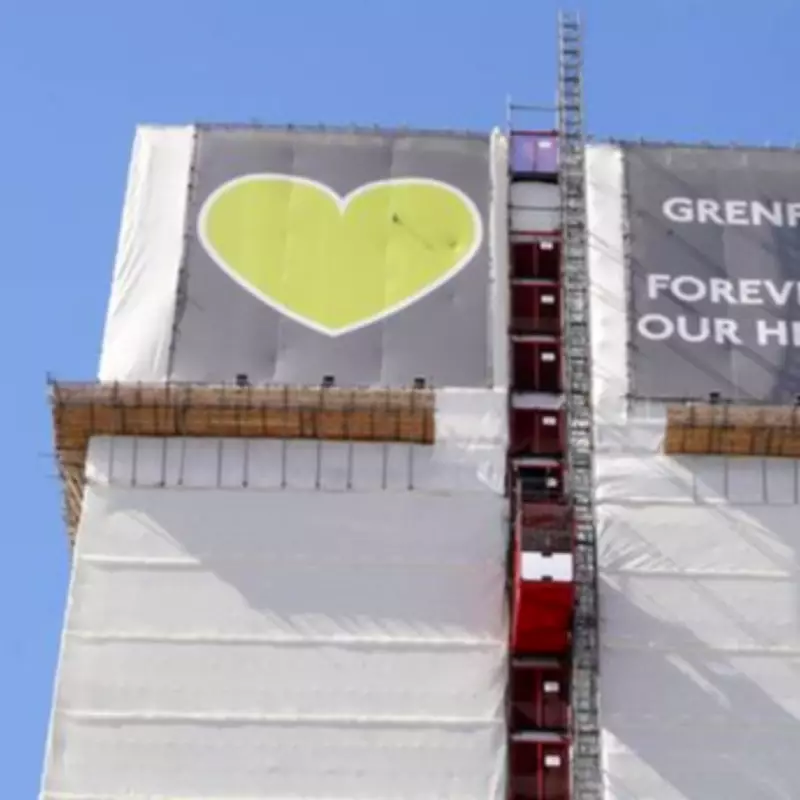
Sadiq Khan's Dire Warning on London's Cladding Nightmare
London Mayor Sadiq Khan has delivered a sobering assessment of the capital's building safety crisis, revealing that the "dream" of home ownership has transformed into a "nightmare" for thousands of residents trapped in properties with dangerous cladding. During a recent People's Question Time session, Khan acknowledged that London faces a uniquely severe situation that will not be resolved "for some time," despite national remediation deadlines.
A Capital-Specific Crisis
The Mayor emphasized that London contains more than double the number of dangerous buildings compared to the rest of England combined when it comes to unsafe cladding. This startling statistic underscores the disproportionate burden borne by the capital's residents nearly a decade after the Grenfell Tower tragedy, where flammable cladding contributed significantly to the rapid spread of fire that claimed 72 lives.
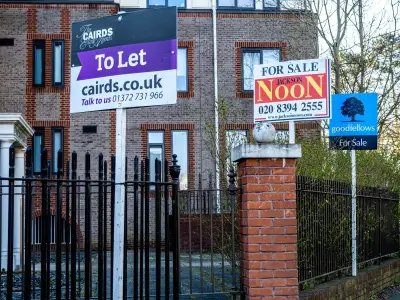
While ministers have mandated that landlords nationwide must either remediate or set completion dates for all residential buildings over 11 meters with unsafe cladding by 2029, Khan warned that Londoners face extended uncertainty. Residents across the capital remain "trapped" in unsellable and potentially unsafe properties, unable to move or secure reasonable insurance rates.

Residents' Desperate Pleas
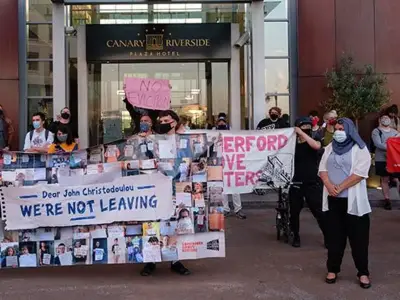
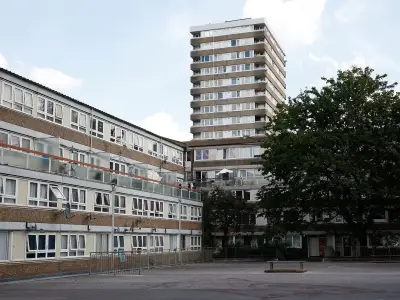
During the question session, an unnamed resident from Theatro Tower in Greenwich described the dire conditions facing her building's 52 apartments across eight storeys. The structure remains covered in Aluminum Composite Material (ACM) cladding, known to accelerate fire spread and emit toxic fumes during blazes.
"Our building's insurance is £130,000 and this has resulted in the deterioration of our building," she told the Mayor. "We have elderly and disabled people trapped in their homes because we don't have a working lift." The resident demanded to know what the Greater London Authority is doing to "alleviate the bottleneck" of Building Safety Fund applications and expedite remediation for those living in "unjust and unacceptable conditions."
Government Response and Ongoing Challenges
Khan pointed to the establishment of a new coalition involving City Hall, the national government, local councils, the London Fire Brigade, and regulatory bodies aimed at accelerating cladding removal from residential buildings over 11 meters. However, he admitted that progress remains frustratingly slow for many affected Londoners.
"The idea of owning a home is a dream - but it becomes a nightmare if you have dangerous cladding and can't sell it," Khan stated. "It's an albatross around your head. One of the things Grenfell taught us is that people are living in buildings that are dangerous."
The Mayor criticized the government's approach, noting that despite allocating a billion pounds for remediation, the scheme "is not working" effectively. He revealed that his Deputy Mayor and the Safety Minister now jointly oversee a remediation body tasked with identifying landowners and managers responsible for cladding removal.
The Scale of the Problem
National statistics reveal the magnitude of the challenge. As of late February, the government had identified 4,310 residential buildings 11 meters and taller with unsafe cladding across the country. While 2,298 buildings (53 percent) have undergone some remediation, only 1,521 (35 percent) have completed all necessary works.
Most concerningly, 15 buildings among the 513 identified with ACM cladding have yet to begin remediation at all. Khan emphasized that London's backlog of unsafe buildings means residents will continue facing uncertainty for the foreseeable future, describing the cladding crisis as fundamentally "a London problem" requiring sustained attention and resources.