London Leaseholders Trapped in Unsellable Homes by Developer's Unpaid £850,000 Council Debt
Seventeen leaseholders in an east London apartment block find themselves effectively imprisoned in their own homes, unable to sell their properties due to an £850,000 debt owed by the building's developer to Hackney council that has remained uncollected for eight years. The residents of 43 Upper Clapton Road in Hackney have appealed repeatedly to the council for assistance, but their requests for meetings and solutions have been consistently ignored, leaving them in what they describe as "trapped" circumstances.
The Financial Quagmire That Paralyzed Property Sales
The crisis emerged when leaseholders attempting to sell their properties discovered that Restoration Hackney, the building's developer, had failed to pay substantial Section 106 contributions and community infrastructure levies totaling over £850,000. These mandatory payments are designed to mitigate the impact of new developments on local communities and infrastructure. The unpaid debt creates a significant financial risk for potential buyers, as mortgage providers refuse to lend on any flat within the building due to the possibility that leaseholders could become liable for the developer's debt if Restoration Hackney declares bankruptcy.
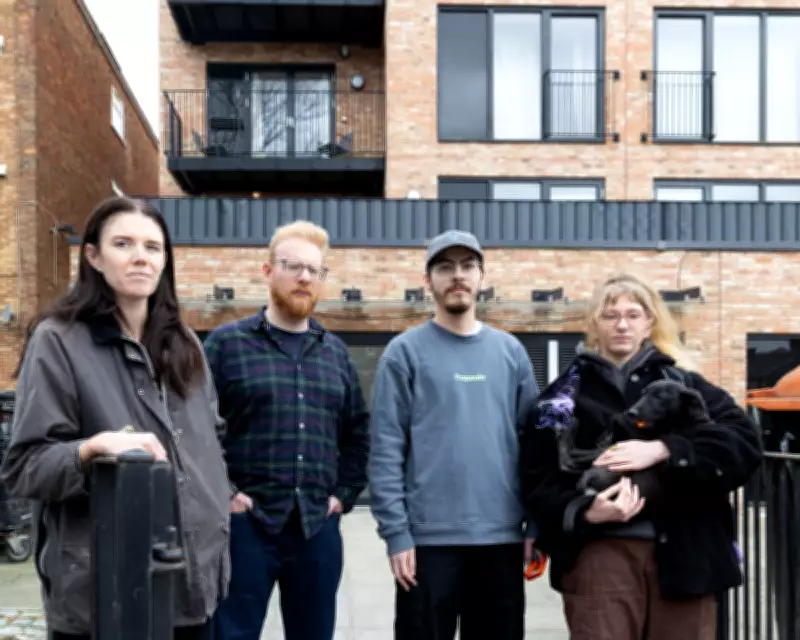
Rich Bell, a 38-year-old resident, experienced this firsthand when his planned sale collapsed at an advanced stage. "My lawyers were convinced for a long time that it was just an administrative error," Bell explained, "but it soon became clear that this was the reality we faced." The prospective buyer of Bell's one-bedroom flat was advised by solicitors that obtaining a mortgage would be impossible given the financial risk, forcing the sale to collapse.

Families Stuck in Growing Space Crunches
The situation has created particularly difficult circumstances for families in the building. Bell, who shares his one-bedroom flat with his wife and two-year-old son, described the profound impact on their family planning. "We feel that we need more space. We're still sharing a bedroom with him but we would really like to be able to give him one of his own," he said. "We would quite like to have a second child but we can't have two kids in a one-bedroom flat. That's just not going to work."
Bell emphasized the emotional toll, stating, "It's taking quite a big toll on our family life and our ability to make the choices we want to make in our own lives. I find it just quite maddening that the actions of this developer and the council mean that I can't give my kid a bedroom."
Council Inaction Compounds Developer's Failure
The debt has been outstanding since June 2017, following the sale of the 14th flat in the building, which was completed in 2018 according to the terms of an agreement between Hackney council and Restoration Hackney. Despite issuing a debt collection notice in October 2018, the council took no further action for nearly six years, only issuing another notice in February 2024. The bill remains completely unpaid, and the council has declined to explain why collection efforts have failed for eight consecutive years.
Leaseholders have requested that Hackney council provide a guarantee that they will not pursue residents for the freeholder's debt, which would enable property sales to proceed. The council has refused both this request and repeated appeals for meetings with affected residents. "We're appealing to the council for help on a human level and they're refusing to help us," Bell stated.
Systemic Failures in the Leasehold Framework
Bell believes this situation highlights fundamental problems within the leasehold system. "This saga shines a light on the extent to which the leasehold system can trap people in really strange ways," he observed. "Who expects that you buy a flat and then find that it's going to be completely unsellable for reasons beyond your control?"

A Hackney council spokesperson acknowledged the residents' frustration while defending the council's position: "We understand the frustration of leaseholders facing difficulty selling their properties as a result of the previous and current freeholder not paying substantial contributions due to the council. We have an obligation to make sure all developers that build in the borough pay to help maintain the services and the infrastructure relied upon by residents."
The spokesperson explained that neither the previous nor current freeholder has paid the outstanding amount despite council contact and meetings, adding, "We will support residents however we can. Unfortunately, we are unable to guarantee the debts of a private developer as it could set a precedent for other developers to avoid paying debts in the future. We are exploring further legal options to make sure the outstanding payments are made."
Restoration Hackney did not respond to requests for comment regarding the unpaid debt that has paralyzed property sales and trapped residents in homes they cannot sell, creating what leaseholders describe as an impossible situation with no clear resolution in sight.