Landlords Accelerate No-Fault Evictions Ahead of Legal Ban in England
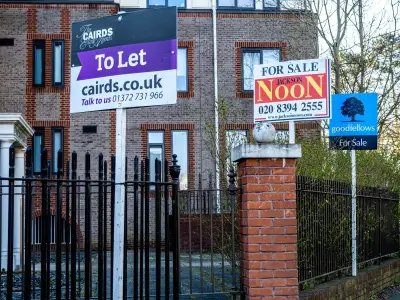
Charities across England have raised alarms over a significant increase in landlords evicting tenants at the last minute before new legislation outlaws the practice. The Renters' Rights Act, set to come into effect on 1 May 2026, will abolish section 21 of the Housing Act, which currently allows landlords to evict without providing justification to the court.
Surge in Eviction Reports as Deadline Approaches
The renters' union Acorn has documented a troubling rise in no-fault evictions. In October, these evictions accounted for one in five reports from members, but by January, the figure had escalated to nearly one in three. A spokesperson from Acorn stated, "This isn't a coincidence. Landlords are clearly rushing to force through last-minute evictions before the ban comes into force." Tenants' organisations, particularly in dense urban areas with high competition, have echoed these concerns.
Personal Stories Highlight the Human Cost
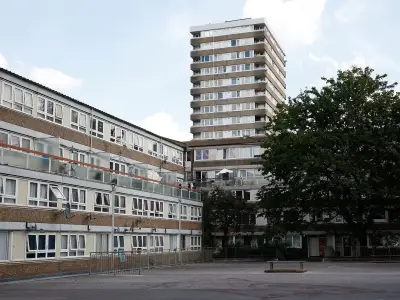
Kim Mansell, a 36-year-old resident of Lady Florence Courtyard in Lewisham, exemplifies the crisis. After five years in her home, she now anxiously checks her letterbox daily for a possession order. Her landlord, ironically, is the London homelessness charity the 999 Club. Mansell expressed her distress, saying, "It's absolutely diabolical. I told them how much I love living here and that I don't have a family to fall back on." Last year, the charity increased her rent by 11%, and when negotiations failed, they served a no-fault eviction notice. Despite her pleas, the charity has advertised her flat at a 36% higher rent.

Other tenants noted that the charity had previously negotiated rents and had not evicted to hike prices. In response, the 999 Club stated, "Any enforcement action is only taken following robust legal advice and in cases where there are significant, persistent issues. We have never evicted anyone as a means to increase rents."
Legal and Union Perspectives on the Crisis
Hugh Wilkinson, head of housing at the Central England Law Centre, reported a surge in section 21 cases, with long-term tenants in Coventry and Birmingham shocked by sudden evictions. He explained, "It can be quite upsetting for people. The court won't take into account the fairness of it." Similarly, Isaac Rose, a 33-year-old organiser for the Greater Manchester Tenants Union, faced a section 21 eviction after a dispute over a 29% rent increase. He believes his landlord acted preemptively, noting, "Once section 21 is abolished, it would be a lot harder and slower to get us out."
Meera Chindooroy, deputy director for campaigns at the National Residential Landlords Association, commented, "Landlords will be looking at their current tenants and considering whether these are tenancies they are happy to continue with after May, or if they have concerns about risks like rent arrears or antisocial behaviour."
Broader Implications and Calls for Urgent Action
Unions, charities, and third-sector organisations have long campaigned for the Renters' Rights Act and argue the change cannot come soon enough. Shelter, a housing charity, emphasised, "It's especially outrageous that some landlords are exploiting this thin window of time to serve no-fault evictions. It just goes to show how vital these new changes are for renters." However, it is important to note that eviction proceedings initiated before 1 May 2026 will be allowed to continue under the old rules, potentially leaving many tenants vulnerable in the interim.
This situation underscores the ongoing housing crisis in England, with temporary housing costs for councils projected to more than double by 2029-30, according to the Local Government Association. As the deadline approaches, the pressure on renters intensifies, highlighting the need for robust enforcement and support systems to protect tenants' rights.